
I’ve spent years working with league bowlers at every skill level, and I keep seeing the same stuff come up. Someone leaves two or three spares hanging every game (spares they should make) and can’t figure out why they’re stuck.

Or they speed up their approach because they’re staring at the pins instead of staying in their rhythm. It’s not a talent thing. Most of the time, it’s just not being aware of what you’re actually doing out there.
The bowling tips I’m breaking down here come straight from what I’ve seen work on the lanes, both with bowlers I coach and in my own game. Some of these you can try tonight at the league. Others need more time to really dial in. But every single one will help you add pins if you stick with it.
Tip 1: Master Your Stance and Approach
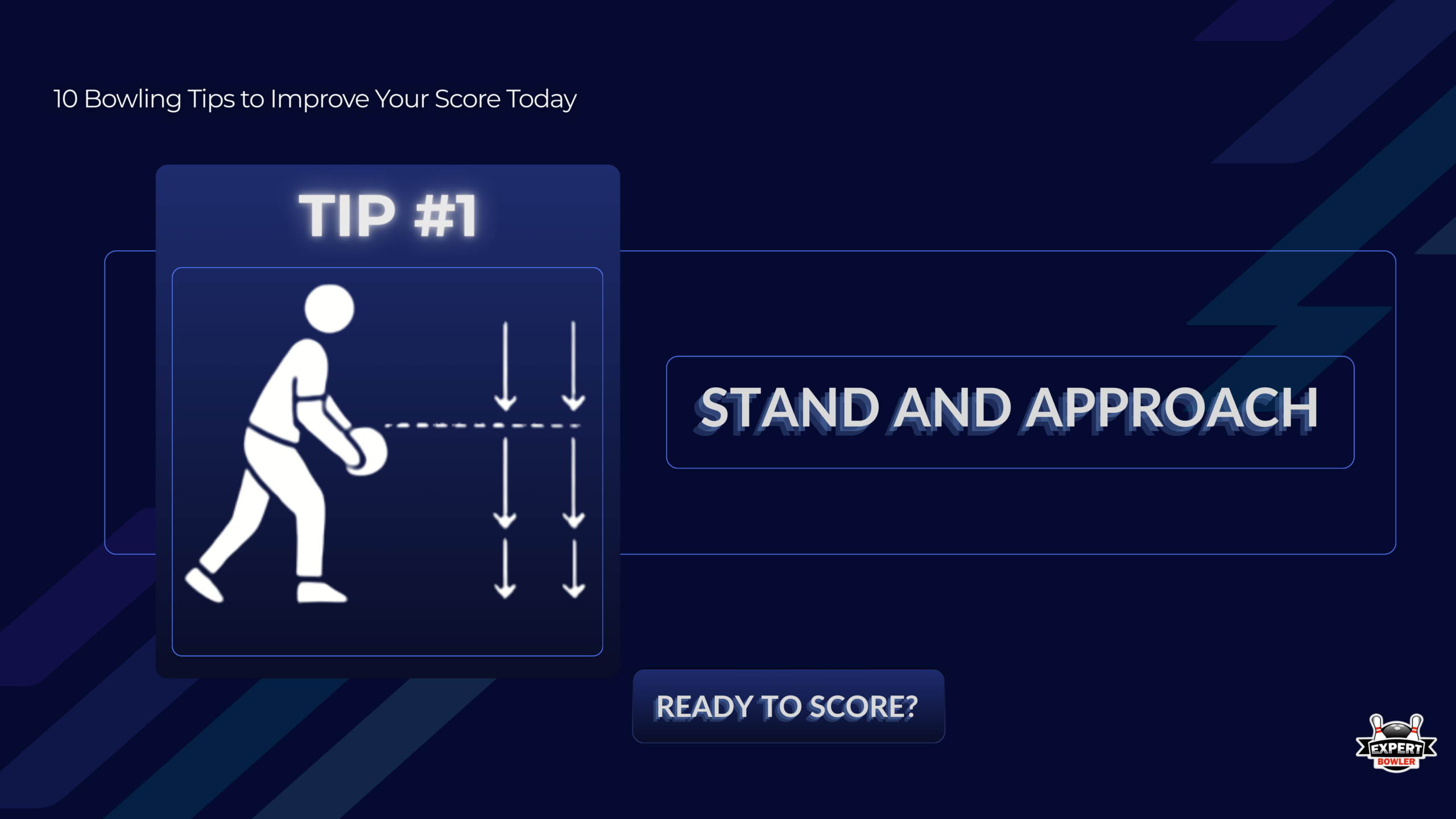
Everything in bowling starts before you even swing the ball. How you set up determines the quality of every shot that follows.
Your feet need a slight stagger. Slide your foot just a bit ahead of the other one. Knees bent, weight balanced on the front part of your feet. Some of my students tend to start either bolt upright or hunched way over. Both create problems once you get moving.
Your power comes from your legs, not your arm. The approach builds momentum that transfers through your body into the ball. That’s where the speed actually comes from.
If you’re throwing five steps, your second step should cross over slightly in front of your body. This crossover creates space for the ball to swing freely without clipping your hip on the way down.
Your power step, the second-to-last one, is where you load up. Really bend that knee and feel pressure into the floor. Then slide into your release with your trail leg staying low for balance.
The biggest timing issue I deal with in coaching is bowlers who rush that first step. Once you start too fast, you’re fighting your timing the whole way through. Slow down that initial movement. Let the ball’s weight get the swing going naturally instead of forcing it
Tip 2: The Perfect Ball Weight and Grip
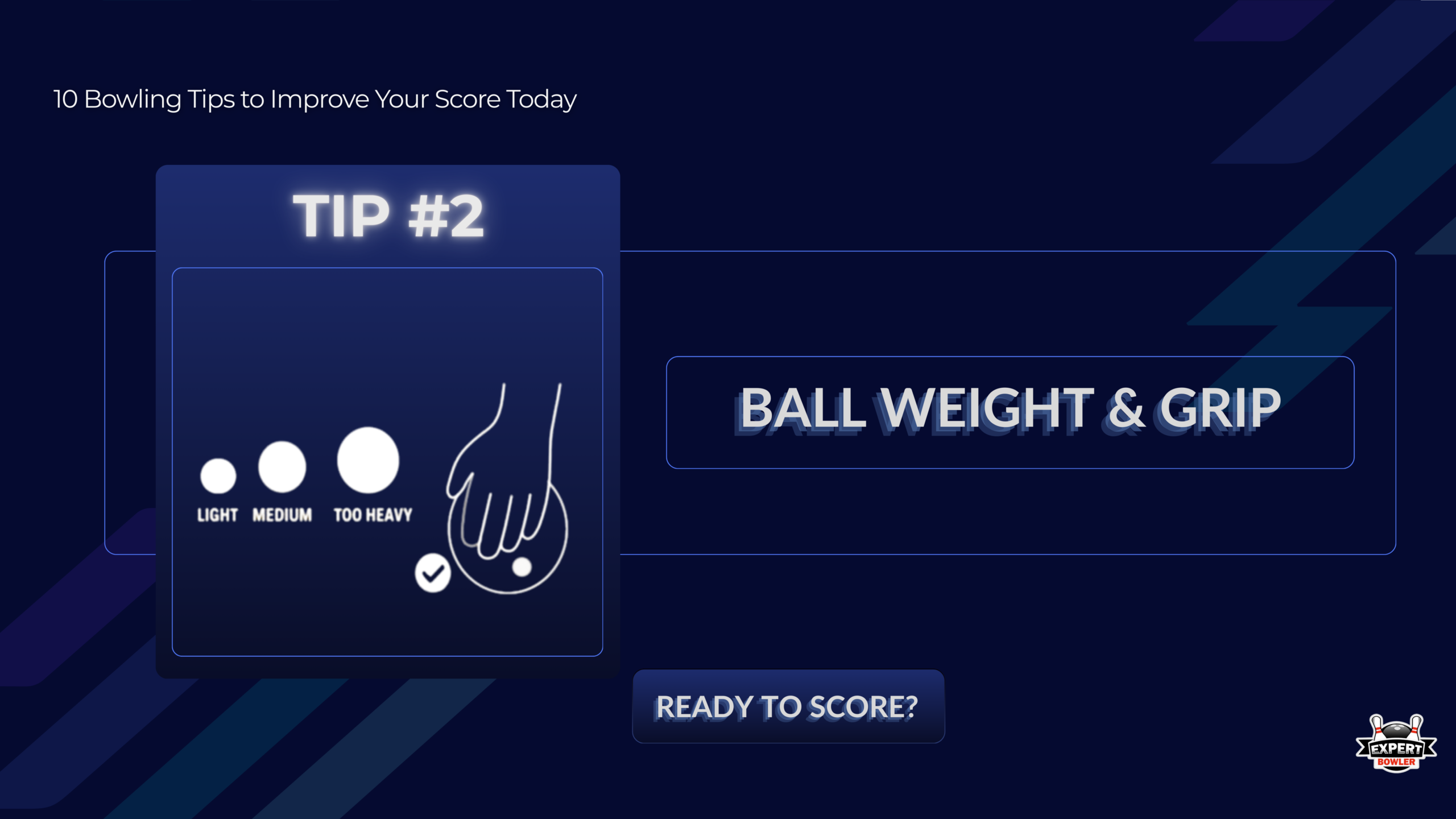
Here’s something that took me too long to learn when I started. If your hand hurts after bowling, something is wrong with your fit.
I used to think blisters and calluses were just part of the game. Turns out, I had poorly drilled equipment for years. A properly fitted bowling ball should feel like an extension of your hand.
I recently read a study on bowling accidents, which said that 30.7% of injuries involve fingers. You should take this seriously.
Another important bowling tip: ball weight matters too. Most adults do well somewhere between 14 and 16 pounds, but the right weight is whatever you can swing smoothly and release cleanly. I’ve seen plenty of bowlers improve their scores by dropping a pound or two.
Work with a good pro shop operator to get your span, finger holes, and thumb pitch dialed in. This single investment pays dividends for years.
Tip 3: Aim for the Arrows, Not the Pins
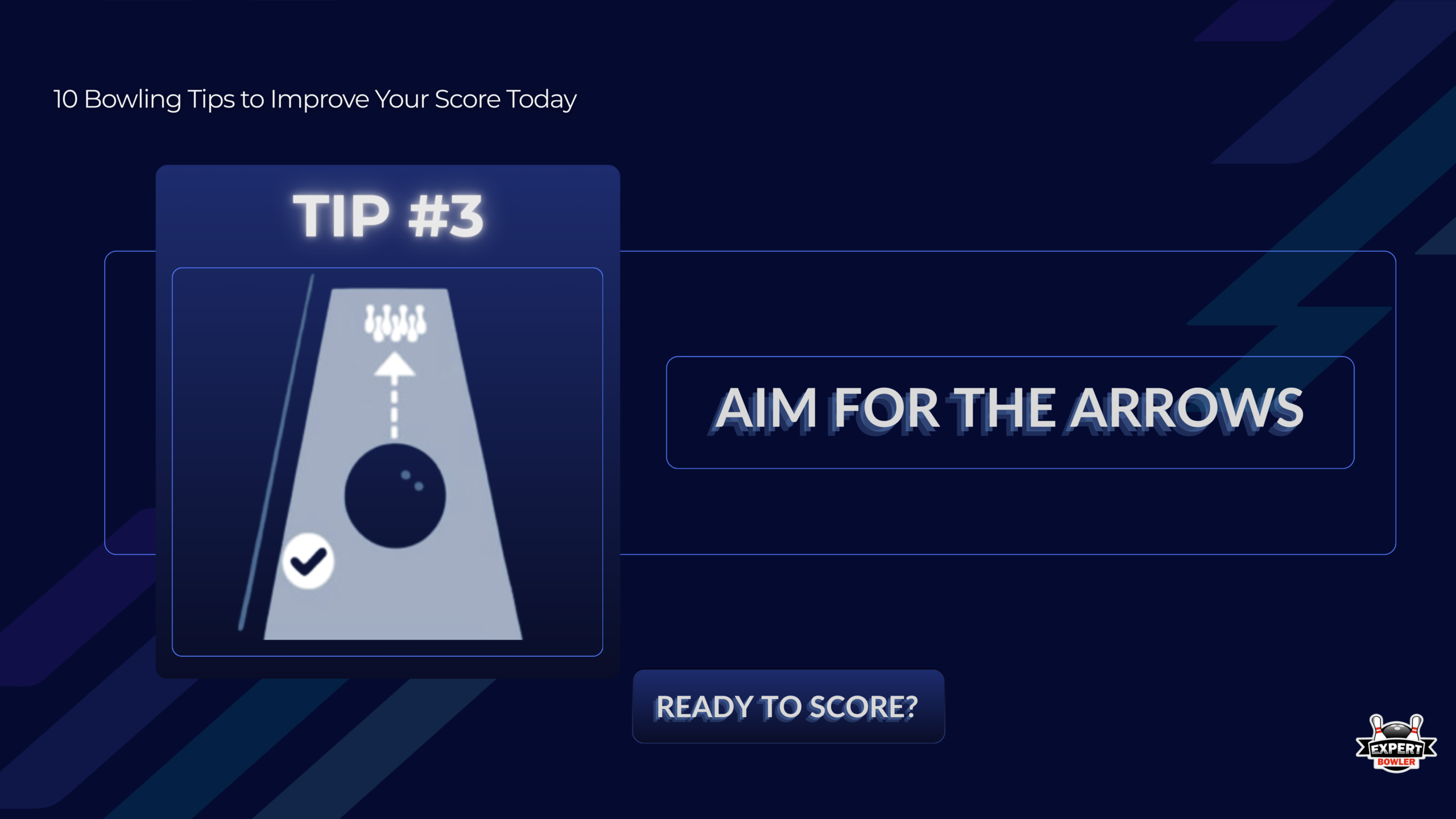
I teach every new student to stop staring at the pins. Those arrows exist for a reason. Pick one that aligns with your intended ball path and focus there. Your eyes should track your ball over that arrow, not toward the pin deck.
Most bowlers start around the second arrow, which sits on the 10 board. That’s the track area where the majority of successful shots travel. From there, you adjust based on what the ball does. If you’re missing right, move your feet right and keep the same target. The general rule is to move in the direction you’re missing.
Once you commit to arrow targeting, your accuracy improves because you have a consistent, close reference point. The pins become the result, not the focus.
Tip 4: Understand Lane Conditions
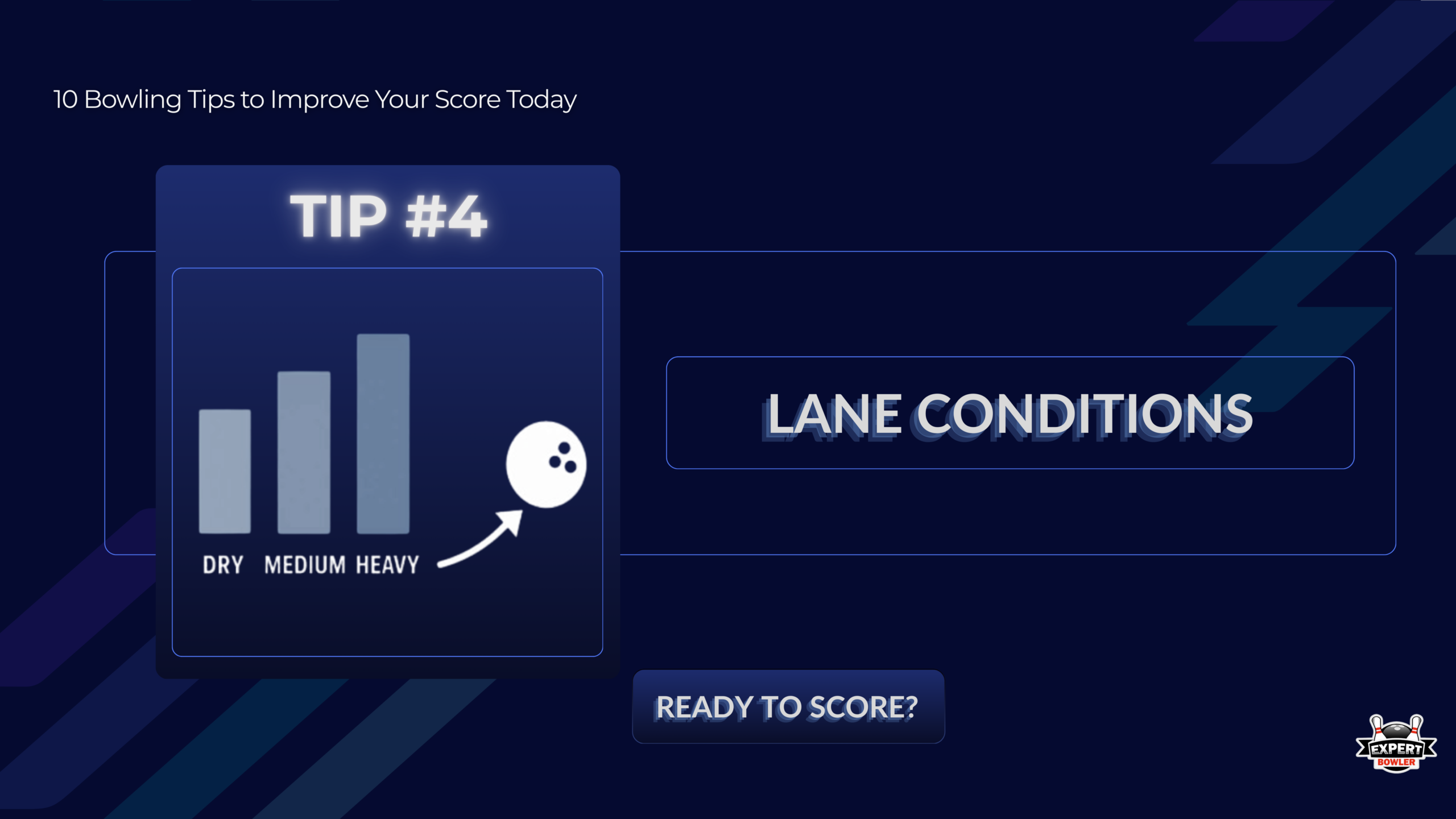
Oil patterns change everything about how your ball behaves. Fresh oil makes the ball skid longer before it starts hooking. As the night goes on and bowlers break down that oil, the lanes get drier, and balls hook earlier and harder.
When lanes transition, and your ball starts hooking too early, you have options. Move deeper inside and play a bigger angle. Speed up your ball to get it through the front part of the lane. Or switch to a pearl coverstock ball that handles dry conditions better.
Tip 5: Consistent Release and Follow-Through
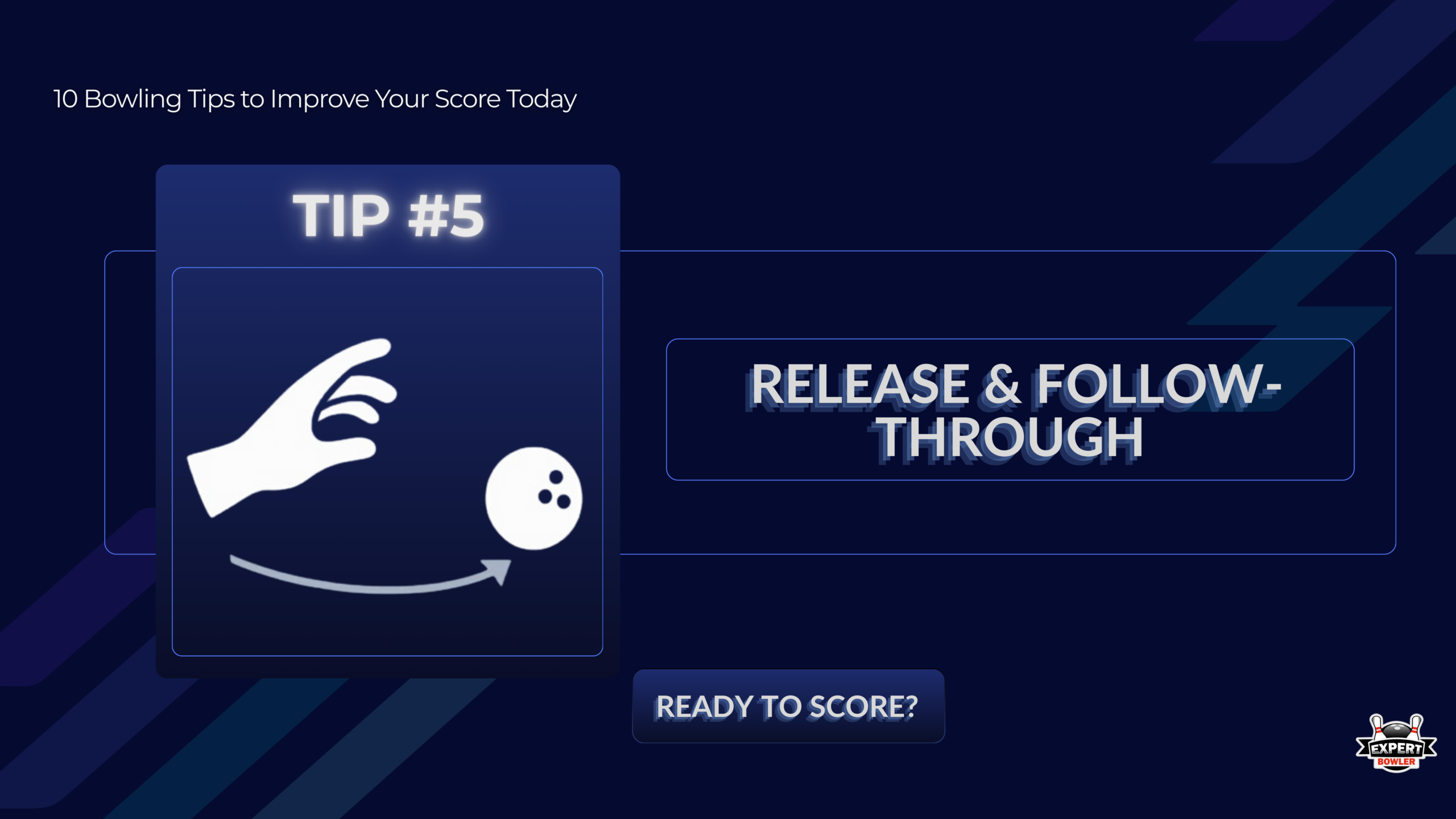
The arm swing should travel straight back and straight forward, aligned with the back of your head at the top. When the swing drifts outside your body, you end up pulling the ball and fighting for accuracy. When it wraps behind your back, you’re using your shoulder muscles instead of gravity, which creates inconsistency.
I have students practice a no-step drill regularly. Stand at the foul line in your finish position with your knee bent. Hold the ball with your fingers underneath, below the equator. Do small swings, focusing only on the release. You’re not trying to throw hard or hit a target. You’re building muscle memory for a clean, repeatable release.
Follow through toward your target every single time. Your hand should finish high, pointing where you want the ball to go.
Tip 6: Spare Shooting Strategies
Here’s the truth about averaging 200: you don’t need to strike every frame. You need to stop giving away free pins on spares you should make.
The math is simple. Every missed spare costs you roughly 10 pins. Miss three spares in a game and you’ve thrown away 30 pins that had nothing to do with bad luck or tough conditions. I’ve seen bowlers transform their averages by doing nothing except getting serious about spare conversion.
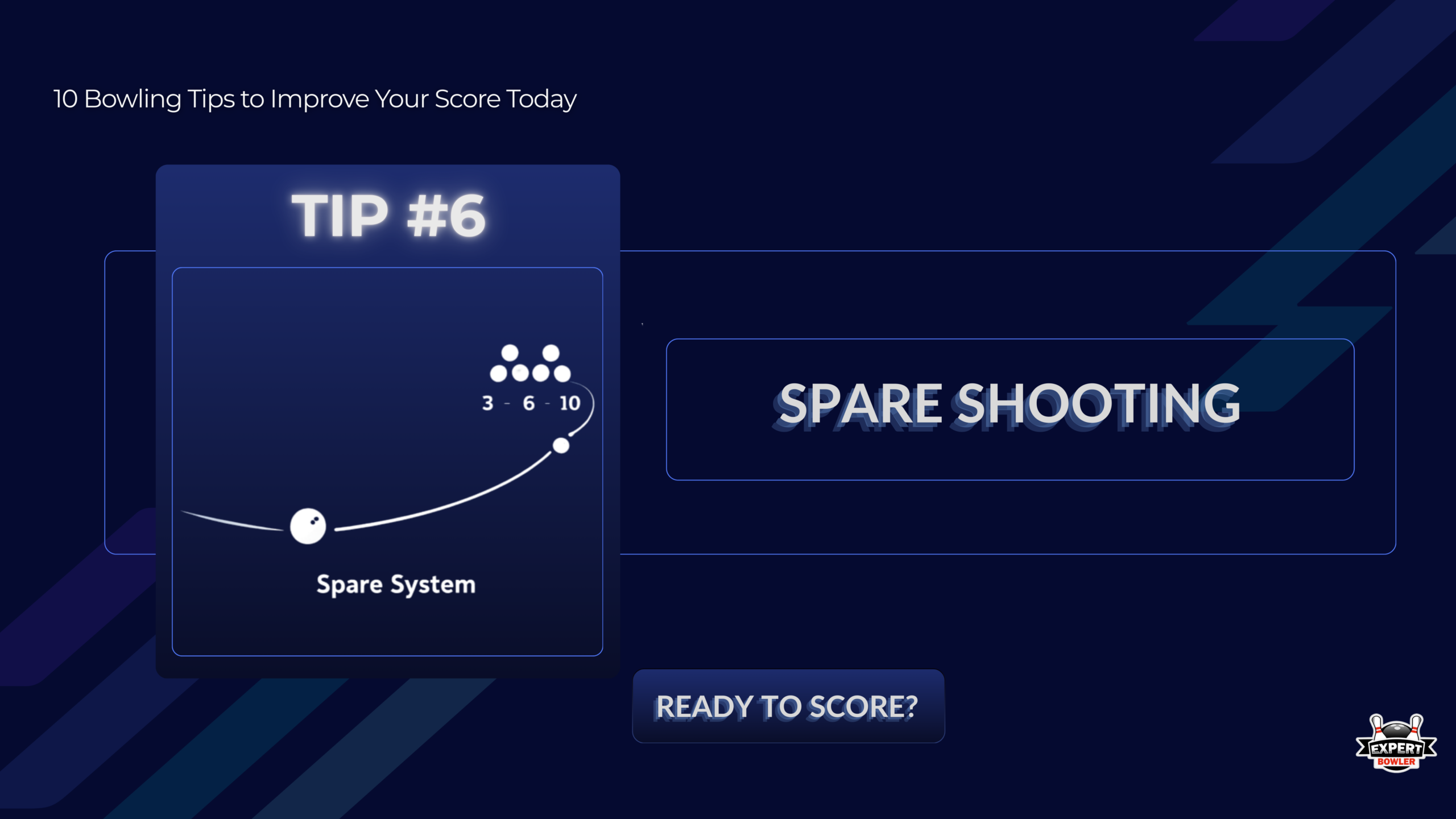
Get yourself a plastic spare ball. Using your strike ball on corner pins means you’re fighting the oil pattern and your ball’s natural hook. A spare ball goes straight, which makes those 7-pins and 10-pins far more predictable.
Develop a system where you know exactly where to stand and where to look for every spare. Your 10-pin setup should be automatic. Same with the 7-pin, the 3-6-10, all of them.
The bowlers shooting 90% or better on makeable spares are the ones cashing checks. The ones missing two or three per game are wondering why they can’t break through.
Tip 7: The Power of Practice
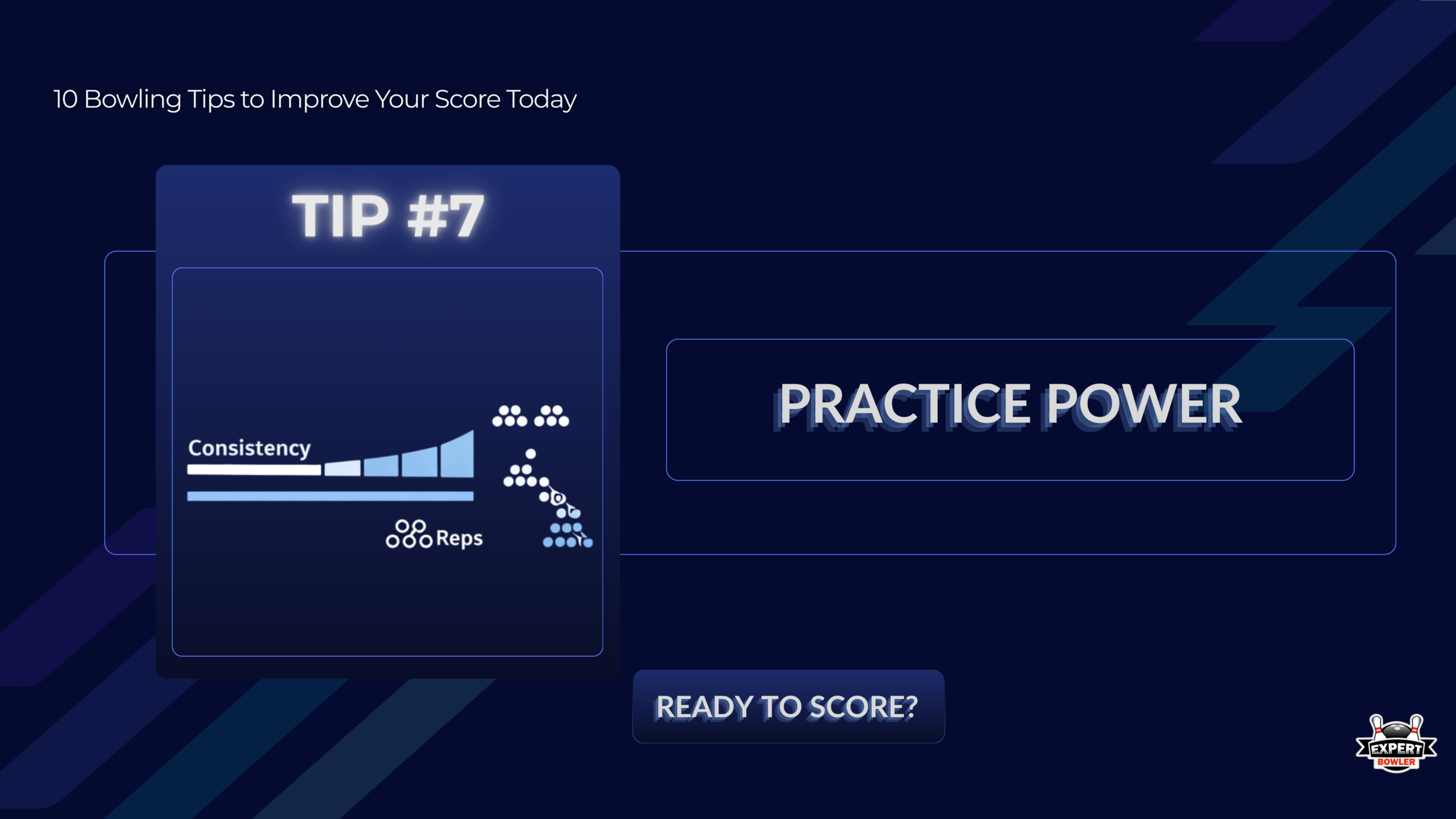
Smart practice means isolating specific skills. Dedicate part of your session to spare shooting only. Throw five balls at the 10-pin. Then five at the 7-pin. Work through your problem spares until the movements become automatic.
Use the one-step drill to connect your footwork and release. Step back from the foul line, swing the ball, and slide into your release. This builds timing without the complexity of a full approach.
Practice different lines and ball speeds intentionally. Throw slower shots to see how much more the ball hooks. Throw faster shots to see how it changes your entry angle. The more variations you can execute, the better equipped you are when conditions demand adjustments.
Tip 8: Equipment Maintenance
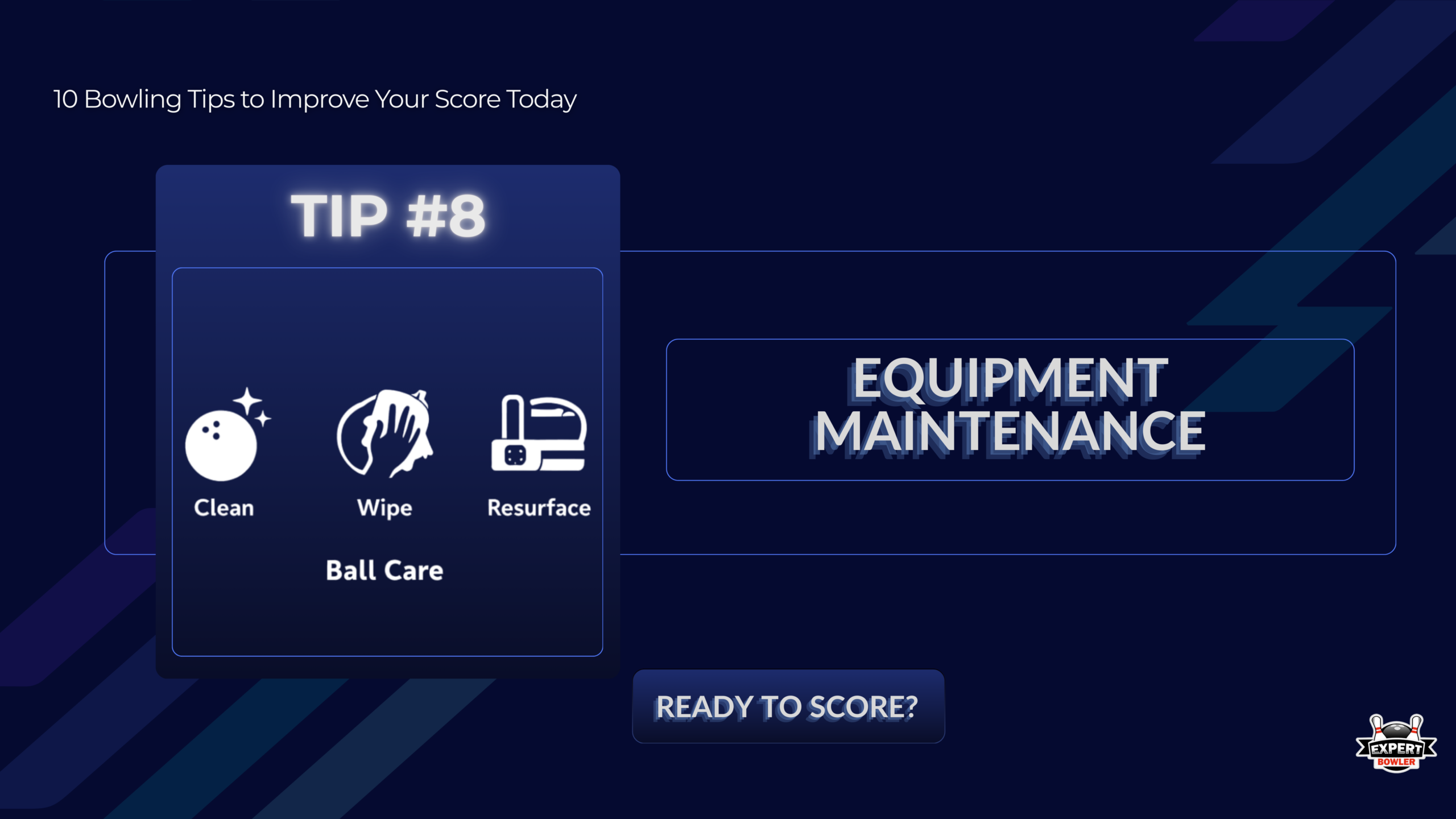
Fresh coverstock reads the midlane and stores energy for a strong backend motion. Worn coverstock either skids too long or hooks too early without any punch at the pins.
Before league season starts, get your balls to the pro shop for cleaning and resurfacing. Runs you maybe $15 or $20 and makes a huge difference. If your ball’s been sitting in a hot garage all summer, those temperature cycles have already messed with the coverstock performance.
Tip 9: Mental Game and Focus
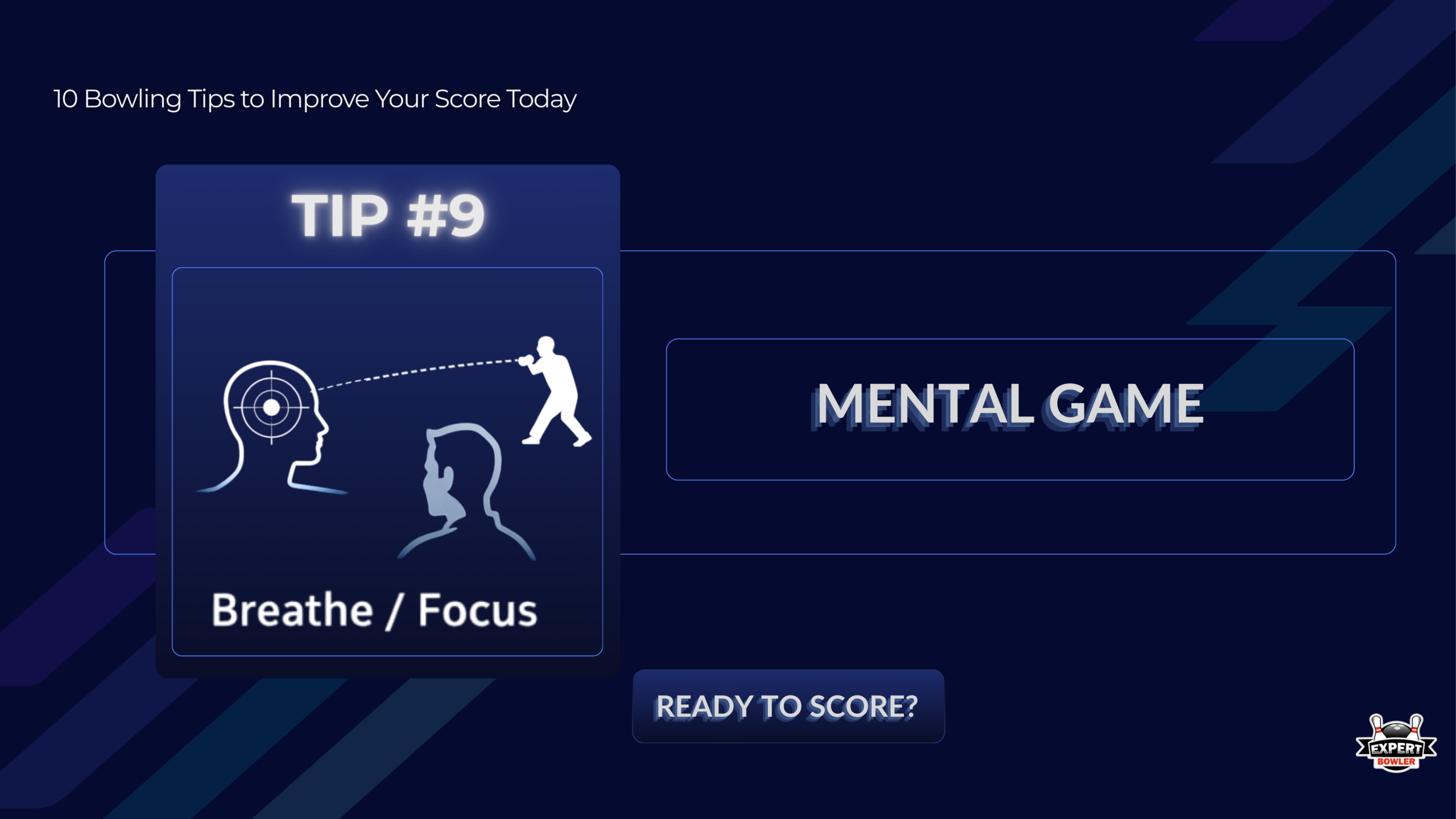
I’ve seen too many bowlers let one bad break spiral into three or four terrible frames. They wrap a 10-pin and get frustrated. Then they rush their next shot and go high. Then they miss the spare because they’re still fuming. Meanwhile, the bowler in the next pair shoots 220 because they stayed neutral and kept executing.
The bowlers who improve fastest are the ones who treat every shot as information rather than judgment. You threw a good shot and left a 10-pin? That’s data. Analyze whether it was execution or an unlucky break, make your adjustment, and move on. Getting angry about it only bleeds into your next shot.
Tip 10: Learn from the Pros (Observational Learning)
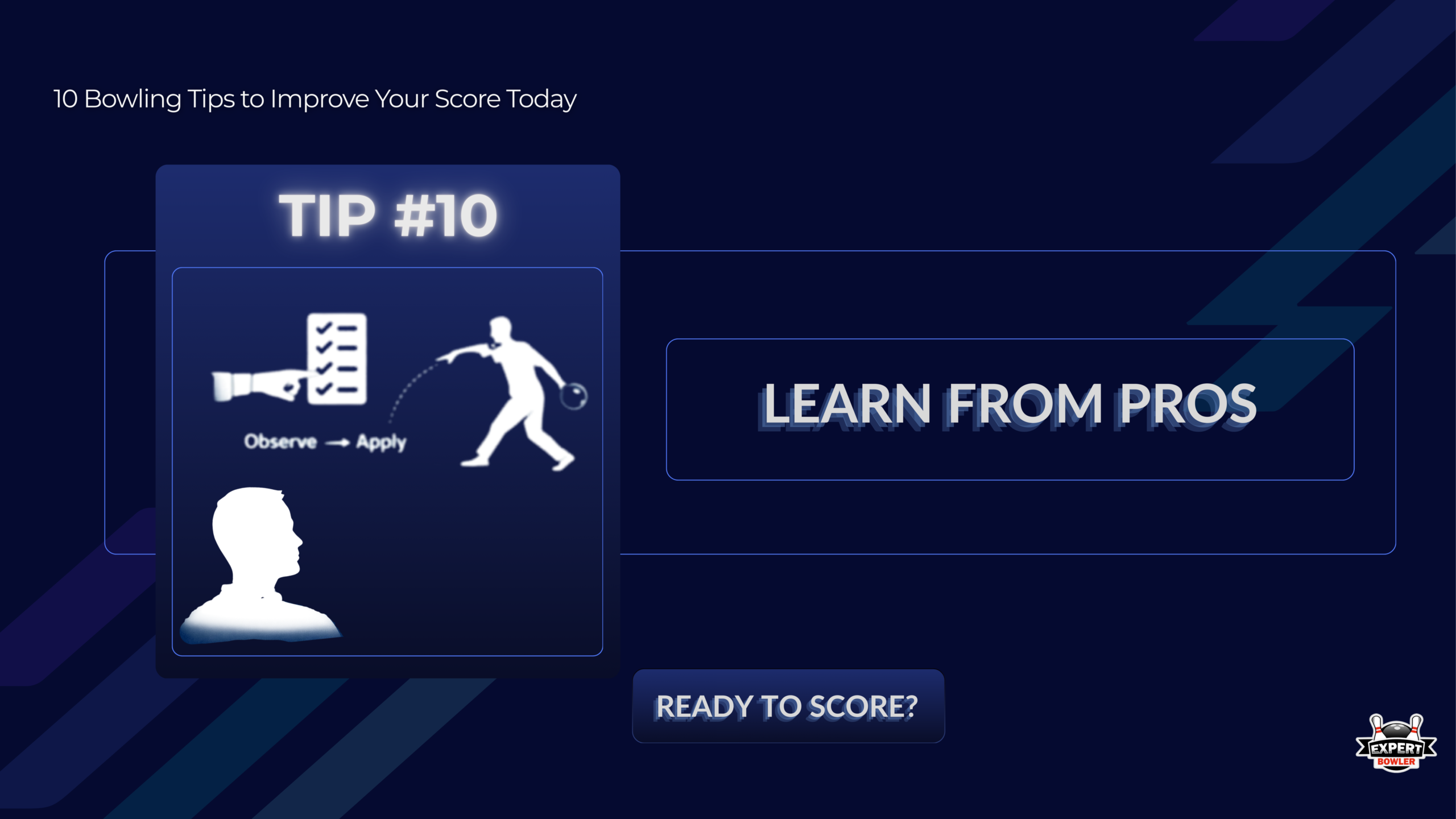
You have access to more free coaching content than any generation of bowlers before you. Use it.
Watch PBA events and pay attention to how professionals handle their spare shooting. Notice their pre-shot routines and how they adjust frame to frame. Study their release points and follow-through positions. You’ll see patterns that translate directly to your own game.
Pick one pro whose style seems to match your physical game. Watch their footage repeatedly and try to identify one specific element you can incorporate. Maybe it’s their timing. Maybe it’s how they post at the line.
Conclusion: Practice Makes Perfect
You’re not going to transform your game in a week. But commit to actually implementing these bowling tips. Track your spare percentage for a few weeks. See if your mental game settles down when you practice staying neutral after bad shots.
Check back in six months. Your average will be 15 or 20 pins higher.
My advice is always to start with spares. Most bowlers drop more pins there than anywhere else, and it’s honestly the fastest thing to clean up. Lock that down, and everything else gets easier to build on top of it.
Looking to build a stronger foundation? Check out our best bowling balls for beginners for deeper dives into ball selection.