Bowling Shoes
Spec-backed reviews and buying guides for athletic, performance, and league bowling shoes — sole types decoded, fit advice, and care tips for every bowler level.
Four bowling shoes we'd recommend right now.
Picked for distinct bowler situations — not by commission rate. Sole type, fit notes, watch-outs, and full reviews behind each.
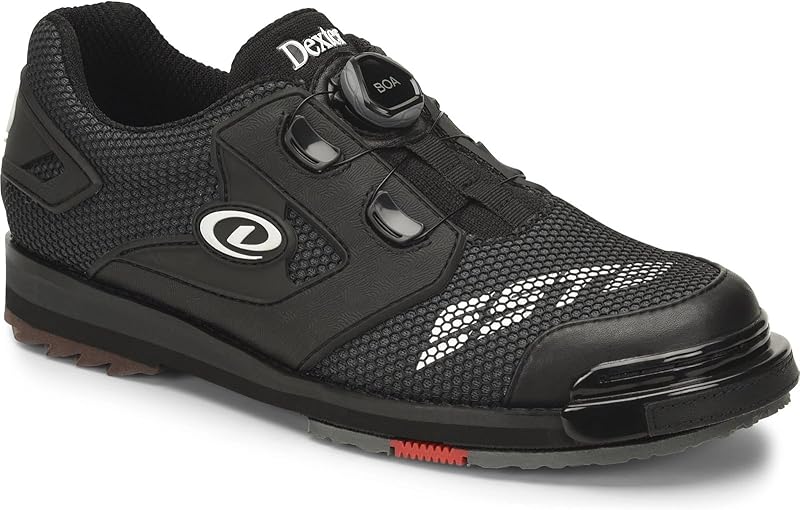
Dexter SST 8 Pro
The benchmark performance shoe — interchangeable slide and brake soles plus a premium full-grain leather upper. The most-cited tournament pick in pro shop fitting feedback for 2026.
Watch-out: Premium price, and the leather upper needs 5–10 games of break-in before the slide settles. Overkill for once-a-month bowlers.
- Sole: Interchangeable S8/H8
- Upper: Full-grain leather
- Sizing: Standard D width
- Weight: ~14 oz/shoe
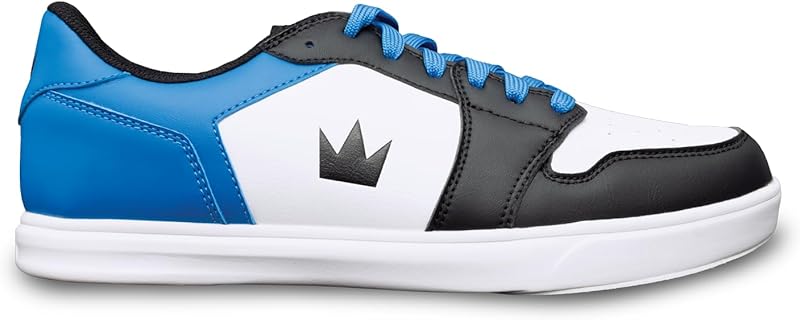
Brunswick Fanatic
High-performance interchangeable shoe with a magnetic slide-pad system. Premium fit and consistent slide for committed league and tournament bowlers.
Watch-out: The magnetic pad system is excellent but pricey, and swapping pads mid-set takes practice. Standard width only — wide feet should look elsewhere.
- Sole: Magnetic interchangeable
- Upper: Microfiber / mesh
- Sizing: Standard
- Weight: ~13 oz/shoe

Dexter Pro Am II
Forgiving universal-slide build that teaches consistent footwork. The most-fitted first pair in pro shop conversations for new league bowlers.
Watch-out: Fixed universal sole — you cannot adjust slide for sticky or slick approaches. You will outgrow it within a season if you bowl competitively.
- Sole: Universal slide + brake heel
- Upper: Synthetic leather
- Sizing: Standard D width
- Weight: ~12 oz/shoe
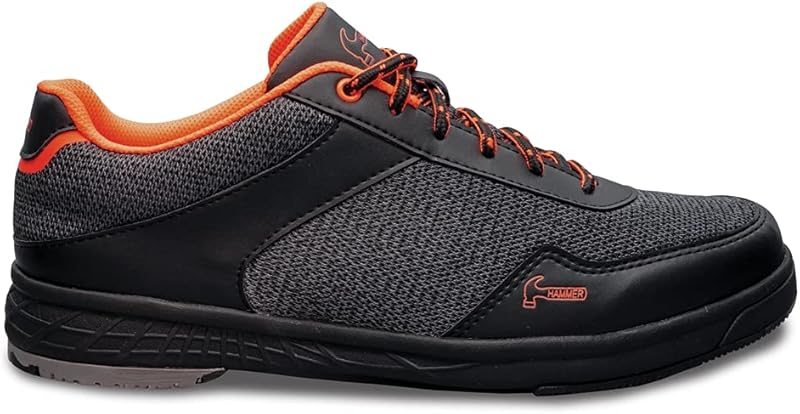
Hammer Razor
Athletic-styled shoe — sneaker silhouette with a bowling-grade slide sole. The best athletic-look pick for active league bowlers who want a sneaker feel.
Watch-out: Fixed sole limits approach adjustment, and the mesh upper offers less lateral support than leather on hard slides.
- Sole: Universal slide
- Upper: Athletic mesh
- Sizing: Standard
- Weight: ~12 oz/shoe
Read the full buying guide — all 10 picks by fit & slide style →
Compare our top picks.
Specs side by side — match the sole type and fit to your approach and skill level.
| Shoe | Best for | Sole | Upper | Sizing | Weight | |
|---|---|---|---|---|---|---|
| Dexter SST 8 Pro | Tournament / performance | Interchangeable S8/H8 | Full-grain leather | Standard D | ~14 oz | Review → |
| Brunswick Fanatic | High-performance league | Magnetic interchangeable | Microfiber / mesh | Standard | ~13 oz | Review → |
| Dexter Pro Am II | Beginners | Universal slide | Synthetic leather | Standard D | ~12 oz | Review → |
| Hammer Razor | Athletic / casual | Universal slide | Athletic mesh | Standard | ~12 oz | Review → |
Reviews built on sources, not sponsorship.
Every shoe reviewed on ExpertBowler is researched against manufacturer spec sheets (sole type, fit, materials), pro shop fitting feedback, and real league durability reports. We don't accept payment for higher rankings — affiliate links exist, but they never determine which shoe wins which category. Read our editorial standards.
Find the right bowling shoes.
Routes into our coverage — by skill level, fit, style, brand, or where you are in your game.
Best Bowling Shoes 2026
Expert picks matched to bowler situation, with sole reads and watch-outs for each.
Open guide →Best for Beginners
Forgiving universal soles and comfortable uppers for bowlers building consistency.
Open guide →Best Performance Shoes
Tournament-grade interchangeable-sole shoes for serious league and tournament play.
Open guide →Best for Wide Feet
Wide-width and EE options with proper toe-box volume. Comfort-tested for long sessions.
Open guide →Best Athletic Shoes
Athletic-style universal-sole shoes compared. Top picks for casual league and house play.
Open guide →Best Bowling Shoe Brands
Dexter, Brunswick, Hammer, KR Strikeforce, 3G — what each brand does best.
Open guide →Recently reviewed bowling shoes.
Fresh shoe reads — sole type, fit, slide consistency, and real-world durability documented.
Best Athletic Bowling Shoes 2026: Top 3 Editor’s Picks
Best Bowling Shoes for Beginners 2026: First-Pair Editor’s Picks
Best Bowling Shoe Brands 2026: Honest Brand Breakdown
Best Bowling Shoes for Wide Feet 2026: True-Fit Editor’s Picks
Best Performance Bowling Shoes of 2026: Tournament-Grade Picks
Best Bowling Shoes 2026: Top 10 Picks by Fit, Slide Style, and Bowler Type
Common bowling shoe questions.
Quick answers to the questions we hear most — from sizing to sole care to upgrades.
What size bowling shoe should I buy?
Bowling shoes fit close to your true street-shoe size, but performance models can run a half size small. Measure your foot length and width and check the manufacturer's chart — Dexter and Brunswick both publish detailed ones. If you're between sizes, size up a half size to leave room for athletic socks and natural foot expansion during long sessions.
What's the difference between interchangeable and universal soles?
Interchangeable soles let you swap slide pads and heels to match approach conditions — sticky approaches need more slide, slick ones need more grip. Universal soles are fixed: one slide pad on the sliding foot, one rubber heel on the brake foot. Interchangeable shoes cost more but adapt to any house; universal shoes are simpler and great for casual and beginner bowlers.
Do I need to break in bowling shoes?
Performance leather shoes typically need 5–10 games of break-in before the slide pad reaches a consistent feel. Athletic synthetic shoes break in faster — usually within 2–3 sessions. Avoid wearing new shoes for the first time at a tournament, and brush the slide pad before every game to maintain consistent friction.
How often should I replace my bowling shoes?
Performance shoes with interchangeable soles last 200–400 games with proper care — just replace the slide pads as they wear (roughly every 100–150 games). Athletic shoes with fixed soles typically last 100–200 games before slide consistency degrades. Watch for uneven wear, glazing on the slide pad, or upper breakdown.
Are performance bowling shoes worth the extra money?
For league bowlers playing twice a week or more, yes — interchangeable soles let you adjust to varying approaches and dramatically improve consistency. For casual bowlers under 50 games a year, athletic shoes deliver enough performance at half the price. Tournament bowlers should always invest in performance shoes.
How do I maintain my slide pad?
Brush the slide pad with a stiff-bristle shoe brush before every game to remove dirt and restore consistent friction. Never walk on carpet or wet surfaces with bowling shoes — even a few steps can permanently damage the slide pad. Use shoe covers when leaving the approach, and store shoes with the slide pads facing each other in a dry bag.
Athletic vs performance shoes — which should I buy first?
If you bowl under 50 games a year or are just starting a league, an athletic shoe under $80 is the right call — consistent slide on most house approaches, zero adjustment. If you bowl competitively or 2+ times a week, jump straight to a performance shoe with interchangeable soles; you'll outgrow an athletic shoe within a season.
When should I upgrade from rental shoes to my own pair?
As soon as you bowl regularly. Rental shoes are inconsistent in fit and slide and cost $4–$6 per session, so a $50–$80 athletic shoe pays for itself in 10–15 sessions. More importantly, owning your own pair means a predictable slide pad — which directly improves your finish and accuracy.
Do bowling shoes come in wide widths?
Yes, though the selection is narrower than standard. Dexter offers wide (EE) options in several models, and some athletic shoes run roomier in the toe box. If you have wide feet, prioritise true wide-width models over sizing up — sizing up lengthens the shoe without adding width and hurts slide control.
How bowling shoes work.
The fundamentals — sole types, fit, slide-pad care, and what separates entry-level from tournament shoes.
Beginner Bowling Shoes
First-pair picks for new league bowlers — universal-slide soles, fit guidance, and what to avoid.
Read →Wide-Fit Bowling Shoes
True-fit picks for wide and EE feet — shoes that actually fit instead of standard widths that don't.
Read →Performance Bowling Shoes
Tournament-grade picks — interchangeable sole systems, premium uppers, and the trade-offs each makes.
Read →More than shoes.
Browse our shoe reviews and best-of guides above. For balls, bags, and accessories see our other editorial hubs.