Best Bowling Ball for League Bowlers 2026: By Skill Level & Oil Conditions
League bowling puts a ball through changing conditions over several games, so versatility and a readable reaction matter more than simply choosing the strongest option. The best choice depends on your release, the house pattern, and where the ball fits in the rest of your bag.
The four picks below are matched to different league roles: a first reactive ball, a benchmark option, a smoother transition piece, and a stronger heavy-oil choice. They are not a single progression every bowler has to follow.
For the full strike-ball setup, see our best bowling balls hub. For medium-oil specifics, head to the medium oil bowling balls guide.
Updated: August 2026 · Edited by Jeroen Kooij · See methodology below
Treat drilling and fit as part of the purchase
Most performance balls are sold undrilled. Before ordering, check:
- Local drilling price and service: costs vary by pro shop and by whether grips, inserts, or plugging work are needed.
- Fit: have your span, pitches, and hole sizes measured rather than copying a generic drilling layout.
- Weight: choose a weight you can control through a full session without changing your movement to compensate.
- Lane fit: match the ball’s surface and strength to the conditions you actually bowl on, not simply to the strongest specification available.
The ball and the drilling are one system. A useful specification on paper can still be a poor choice if the fit or lane match is wrong.
Brunswick Rhino
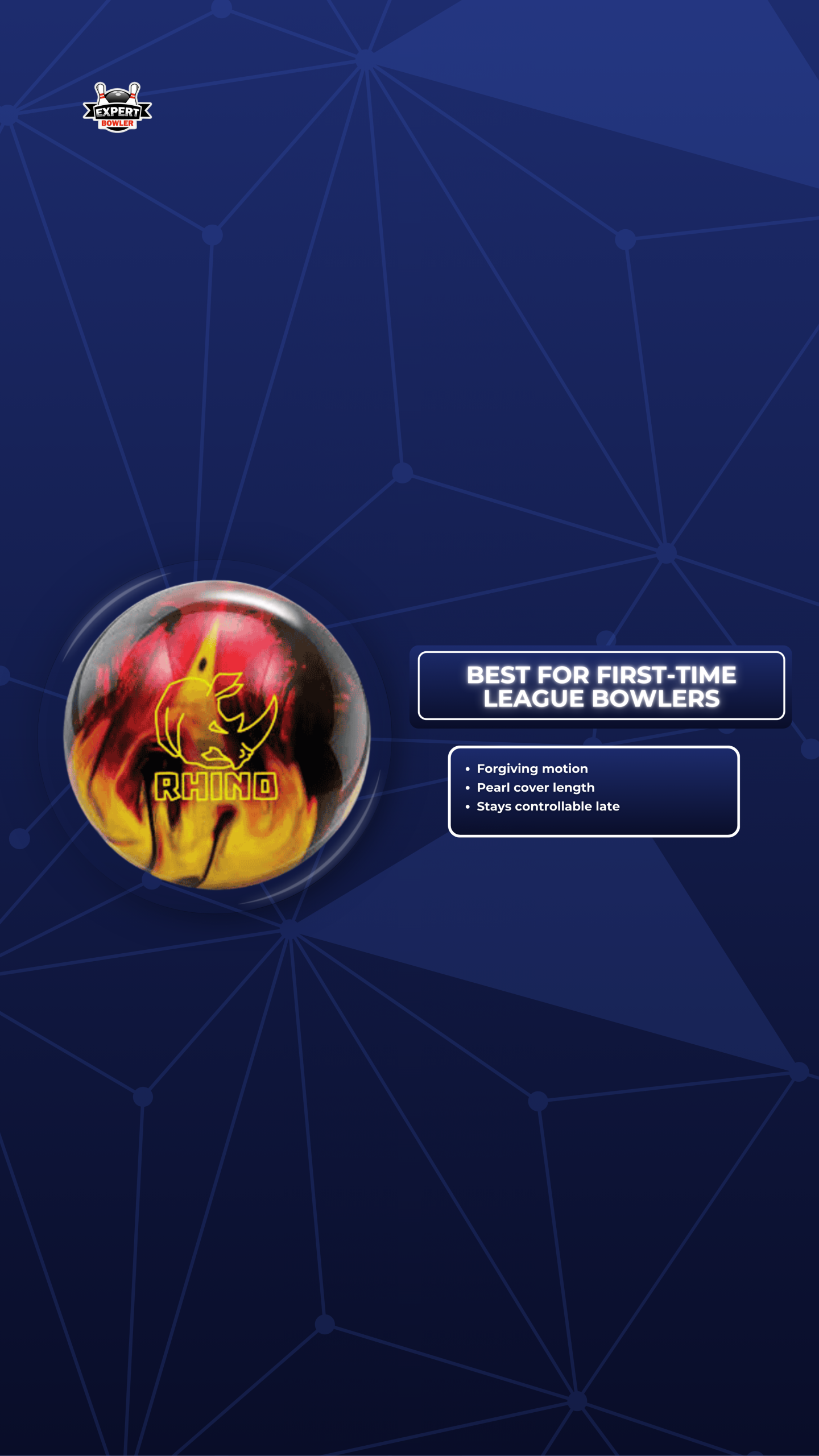
Entry-level reactive with a smooth, readable shape — and now a ball we have direct fitting experience with.
Check price →Storm Phaze II
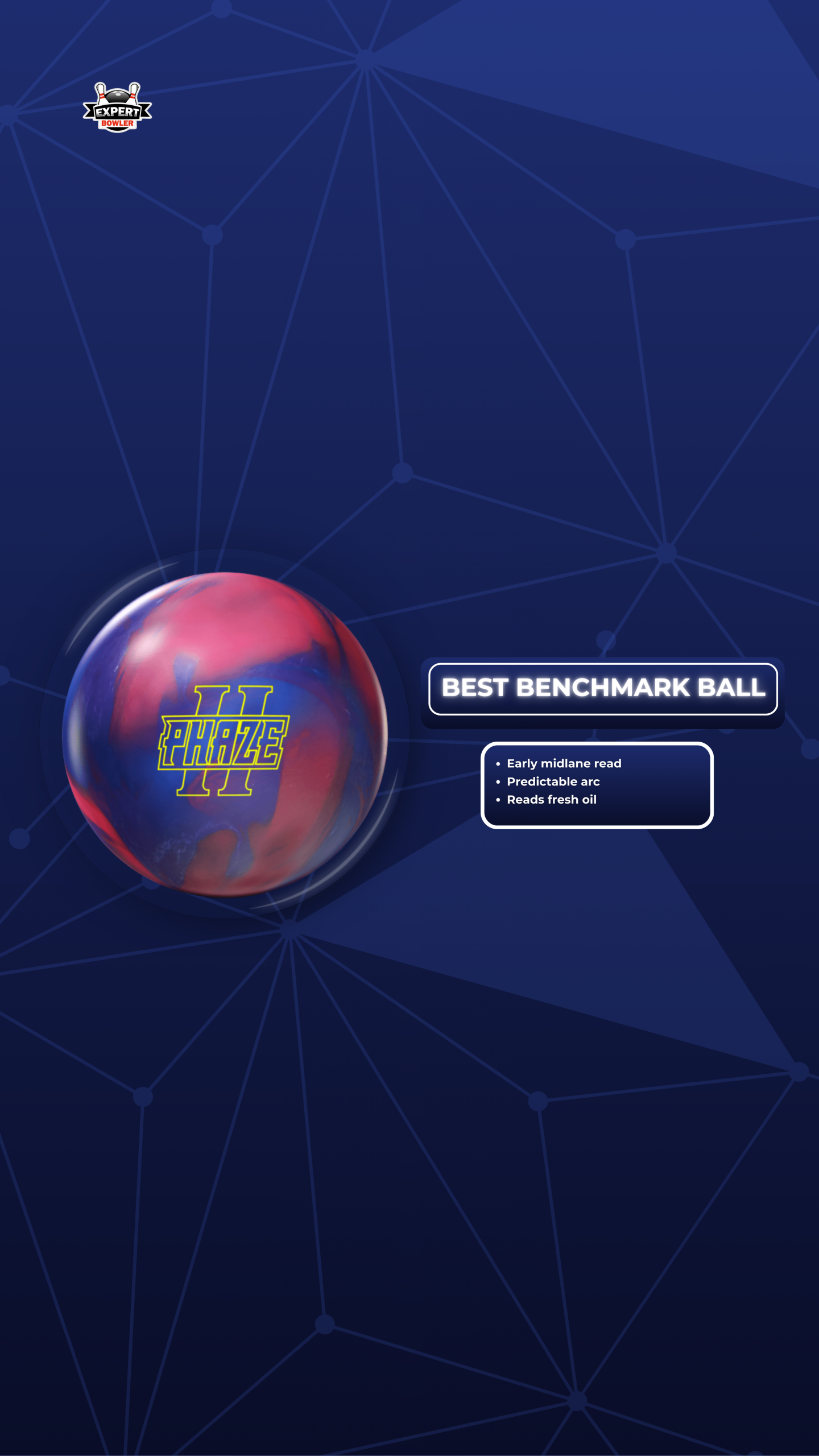
Long-running symmetric benchmark with a controlled medium-oil shape.
Check price →Hammer Black Widow 3.0
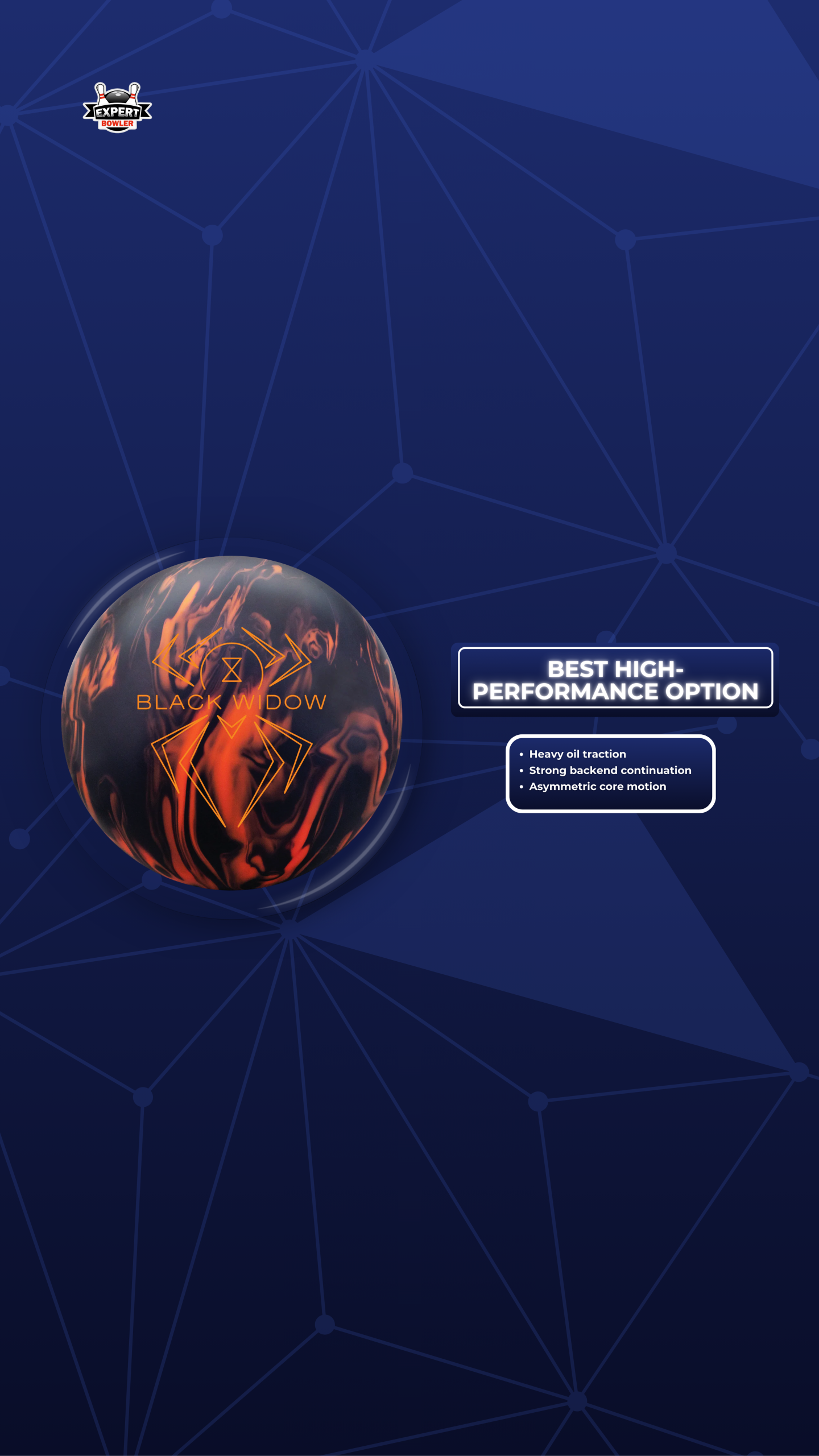
Stronger asymmetric option for fresher or higher-volume conditions where a benchmark piece lacks traction.
Check price →How to use this guide
Start with the role you actually need filled: first reactive ball, benchmark, transition control, or stronger traction. Skill level matters, but lane condition and how the new ball overlaps with equipment you already own matter just as much.
Quick comparison
Answer four quick questions and our free Bowling Ball Finder matches you to the right ball for your style, lanes and budget — plus a free buyer’s checklist, instantly.
Take the free Finder →How we evaluated
These picks are editorial recommendations, not a claim that we have personally lane-tested every ball. We compare manufacturer specifications, intended lane windows, established technical sources, long-term owner feedback, and the role each ball is designed to fill in a league bag. Where we have direct first-hand evidence, we label it separately.
Role in the bag
We define the job first: first reactive, benchmark, transition control, or stronger traction. That prevents four different balls from being ranked as if they solve the same problem.
Manufacturer specifications
Coverstock, core numbers, factory finish, available weights, and intended condition are checked against official product documentation.
Published & owner evidence
We cross-reference technical reviews and recurring themes from long-term owner reports rather than treating one comment as proof.
First-hand context
Our own fitting, drilling, coaching, or ball-use experience is included only where it actually exists and is clearly identified as first-hand.
We do not claim hands-on testing of a ball unless we have actually used or directly documented that ball. First-hand evidence and sourced product research are kept separate.
Paid placements, sponsored rankings, or manufacturer-supplied review samples that come with editorial expectations.
Best bowling balls for league bowlers
Brunswick Rhino
If you are buying your first reactive ball for league, the Rhino is a sensible place to start because its overall motion is intentionally milder and easier to read than stronger benchmark or heavy-oil equipment.
The Rhino is most at home on lighter to medium house conditions and can also become useful later as a weaker transition piece. Its value is not that it magically survives every stage of lane transition, but that its lower overall strength gives a developing bowler a clearer look at what the ball is doing.
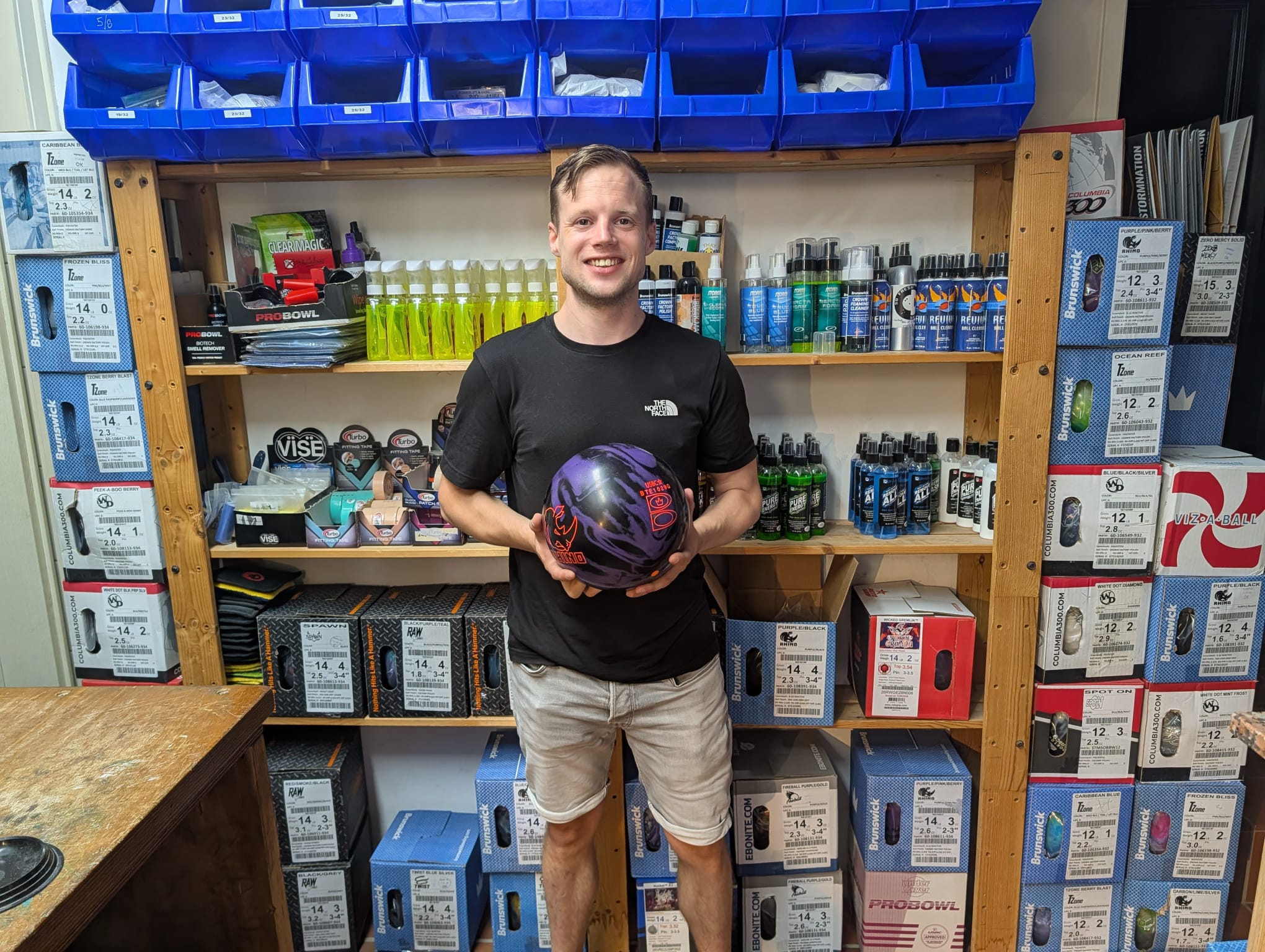
We no longer need a generic ‘coaches recommend it’ claim here because we have something better: direct first-hand fitting evidence from our own beginner setup.
Brunswick’s published specifications vary by weight. The 14 lb Purple/Black Rhino we had professionally fitted for Remco carries RG-Min 2.540 and RG-Diff 0.030 on the actual box label. That is the specification of the ball we can document directly, rather than borrowing a 15 lb number and pretending it describes every weight.
At a category level, the Rhino is an entry-level reactive designed for lighter conditions and for bowlers moving out of house equipment. The exact reaction still depends on colorway/cover finish, drilling, surface, release, and lane friction.
As a bowler develops, the Rhino may eventually stop being the primary strike ball on fresher or higher-volume conditions. That does not make it obsolete; weaker equipment often remains useful when stronger reactives begin reading too early.
Key features
- What it helps with: Providing a lower-strength reactive shape that is easier to read on lighter conditions.
- When it works best: Lighter house conditions, transition, or as a first reactive ball when stronger equipment would be excessive.
- When it’s not ideal: On fresh, high-volume oil patterns where the ball will likely slide too far and fail to make a move toward the pocket.
- Smoother overall motion makes release differences easier to read than with stronger equipment
- Can remain useful as a weaker option when stronger reactives begin reading too early
Storm Phaze II
The Phaze II fits the benchmark role: a medium-strength symmetric solid used to establish a readable starting shape on many league conditions. An average threshold is less useful than whether your speed, rev rate, and house pattern actually match the ball.
A benchmark ball is useful because it gives you a familiar reference shape. Changes in recovery, breakpoint, and energy retention can then help you interpret how the lane is changing, although no single ball tells you the answer automatically.
Its long production run and continued use are part of why it remains a common benchmark reference, but ‘best’ still depends on the bowler and lane environment.
Storm’s Velocity core creates significant flare potential at .051 differential, while the 2.48 RG promotes an early roll through the midlane. The TX-16 solid coverstock at 3000 grit grabs oil where pearl covers would push too far.
The Phaze II is a benchmark symmetric ball intended to bridge the gap between heavy oil equipment and light oil pieces. Its solid reactive coverstock and low-RG core allow it to read the midlane consistently, providing a predictable motion that helps bowlers diagnose how the oil is moving. It is a foundational piece for building a versatile arsenal.
As the fronts and backend change, some bowlers move to a weaker reactive, adjust surface/line, or use urethane where the pattern and their release make that appropriate.
Key features
- What it helps with: Providing a consistent, repeatable motion on medium-to-heavy oil.
- When it works best: Fresh house patterns or medium-volume sport patterns where a controlled midlane read is necessary.
- When it’s not ideal: Late in a block when the front part of the lane is dry, as the early-reading core will cause the ball to hook too soon and lose its hitting power.
- Gives reliable feedback for reading lane conditions accurately
- Predictable arc stays consistent through moderate transition
Hammer Purple Pearl Urethane
Urethane can be useful when a bowler wants a smoother, lower-flare response than reactive resin, particularly on shorter patterns or when controlling friction matters more than creating a large backend move.
Urethane generally produces a different friction response from reactive resin: earlier and smoother for many releases, with less total shape downlane. Whether that is useful depends on the pattern and the bowler.
The value of urethane is control, not a guaranteed scoring increase. A smoother shape can make certain friction environments easier to manage, but spare shooting, execution, and lane-reading still determine the score.
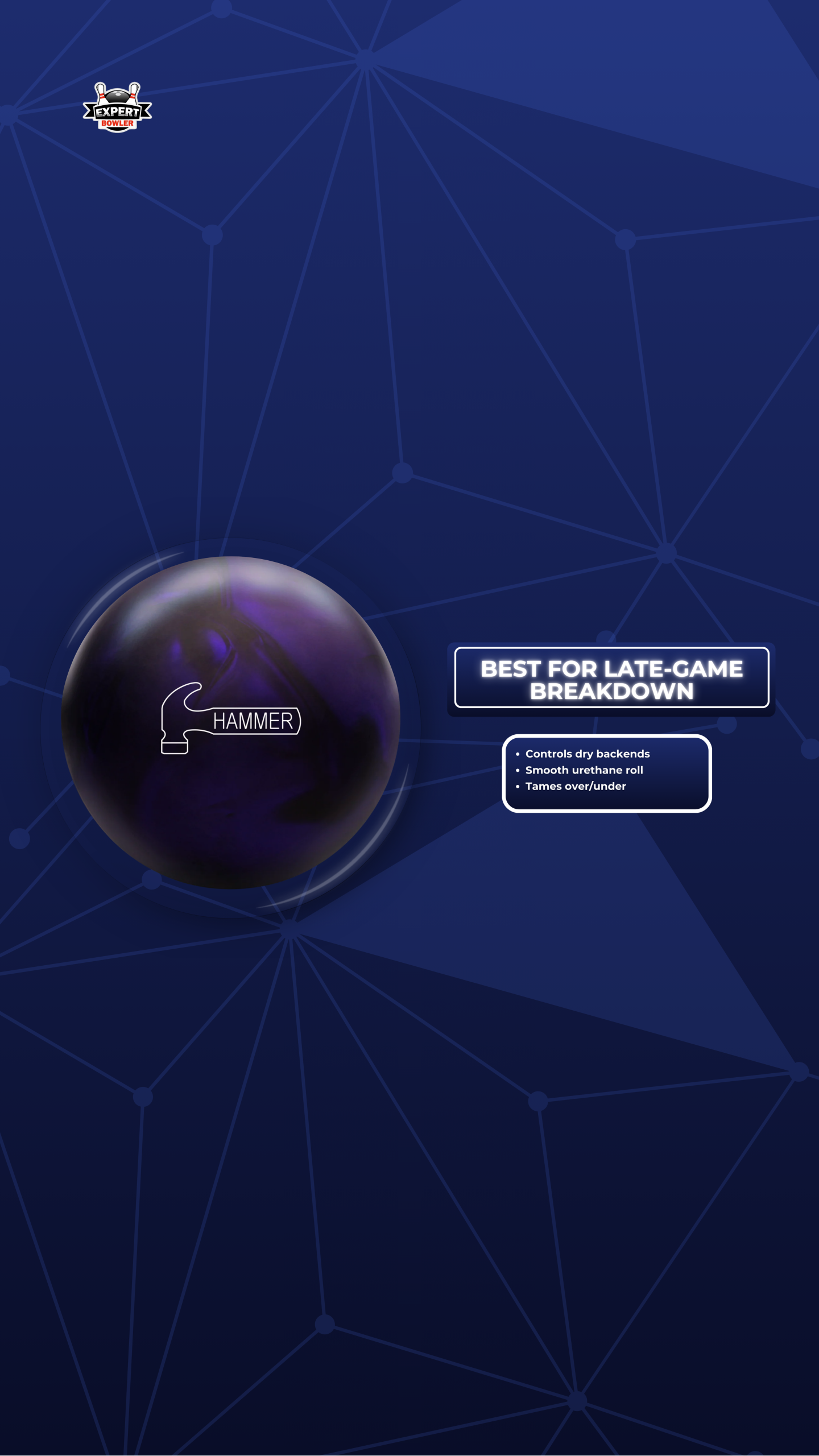
The LED symmetric core sits high at 2.65 RG with minimal .015 differential, which means length with limited flare. Hammer’s pearl urethane cover adds a touch more push than solid urethane options while still providing the smooth arc that defines the category. The 500 through 2000 grit finish balances traction with length.
This ball exists to provide a predictable, smooth arc on shorter oil patterns or when reactive resin balls are reacting too violently to the friction. By using a urethane coverstock and a high-RG symmetric core, it delays the overall hook and minimizes the “flare,” which helps the bowler control the pocket when lane conditions are touchy or over-verging.
Because urethane creates less total downlane shape than many reactives, bowlers with lower rev rates or higher speed may find it too weak on some conditions. Match it to your release and pattern rather than to a style label alone.
Key features
- What it helps with: Creating a controlled, “urethane” shape that smooths out the backend reaction of the lane.
- When it works best: Short oil patterns or for high-rev players who need to blend out the “wet/dry” cliff on typical house shots.
- When it’s not ideal: On heavy oil or for low-rev players, as the ball may lack the friction needed to change direction and carry the pins.
- Provides a smoother alternative when reactive motion is too responsive to friction
- Smoother shape can reduce directional change compared with stronger reactive equipment
Hammer Black Widow 3.0
the Black Widow 3.0 is the strongest option in this list, aimed at bowlers who need more traction and flare than a benchmark symmetric can provide on fresher or higher-volume conditions.
creates a different ball-motion option from weaker equipment, especially when the lane has enough oil for the cover to use its traction without reading too early.
Hammer’s Gas Mask asymmetric core produces .058 differential with .016 intermediate differential, meaning significant flare potential with a defined transition at the breakpoint.
The HK22 Aggression solid coverstock at 500 through 2000 grit provides earlier traction than previous Widow releases while maintaining strong continuation through the pins rather than a snap-style backend.
The Black Widow 3.0 is designed to provide maximum traction and a strong midlane read for high-volume oil environments. It utilises an aggressive solid coverstock and a high-flare asymmetrical core to prevent the ball from sliding past the breakpoint on heavy patterns. This combination ensures the ball begins its motion early enough to maintain a continuous drive through the pins rather than snapping too late.
this ball is built for more oil and can read too early as friction increases. If it is part of a league bag, a weaker complement helps cover conditions where the 3.0 is simply too much ball.
Key features
- What it helps with: Creating heavy friction and a strong footprint on the lane for maximum hook potential.
- When it works best: High-volume oil patterns or fresh league conditions where maximum surface friction is required.
- When it’s not ideal: As lanes transition and oil depletes, the high-friction coverstock will lose energy too early, causing the ball to roll out or become difficult to control.
- Provides the hook potential needed for heavy oil conditions
- Angular backend continuation drives through the pins
How to build a smart 3-ball arsenal
A useful way to think about a multi-ball league bag is by reaction shape rather than by owning a fixed number of balls. One practical three-ball structure is a benchmark, a stronger piece, and a weaker/transition option.
The benchmark
Use the benchmark as your reference when its strength matches the fresh condition; it gives you a familiar shape to compare later adjustments against.
The strong ball
The Hammer Black Widow 3.0 or another aggressive asymmetric. For fresh oil, higher-volume nights, or when the pattern lays down with extra hold. Picks up where the benchmark loses traction.
The dry-lane / transition ball
For conditions where the benchmark begins reading too early or producing too much response to friction. Depending on the house and your release, this role might be filled by urethane or by a weaker/polished reactive.
and you have a practical starting structure that can be expanded only when your actual lane environment gives you a reason to.
Final picks at a glance
All picks with current prices on Amazon — affiliate links, no extra cost to you.
Frequently asked questions
Final thoughts for your next league night
For a first reactive league ball, the Brunswick Rhino is a strong candidate when you want a lower-strength, readable reaction. We now have direct first-hand fitting evidence with this exact model through Remco’s setup, which gives this pick more substance than a specification-only recommendation.
For the benchmark role, the Storm Phaze II remains a well-established medium-oil reference option. Whether it is the right benchmark for you still depends on your speed, rev rate, surface preference, and house pattern.
For smoother friction control, the Hammer Purple Pearl Urethane offers a distinctly different shape from reactive resin when the pattern and your release call for it.
For more traction on higher volume, the Hammer Black Widow 3.0 gives you a stronger asymmetric option when a benchmark piece is not reading the lane soon enough.
Get our honest 2-page checklist — coverstock, weight, lane oil, and the 5 mistakes that cost most bowlers money. One short email every couple of weeks. No spam.
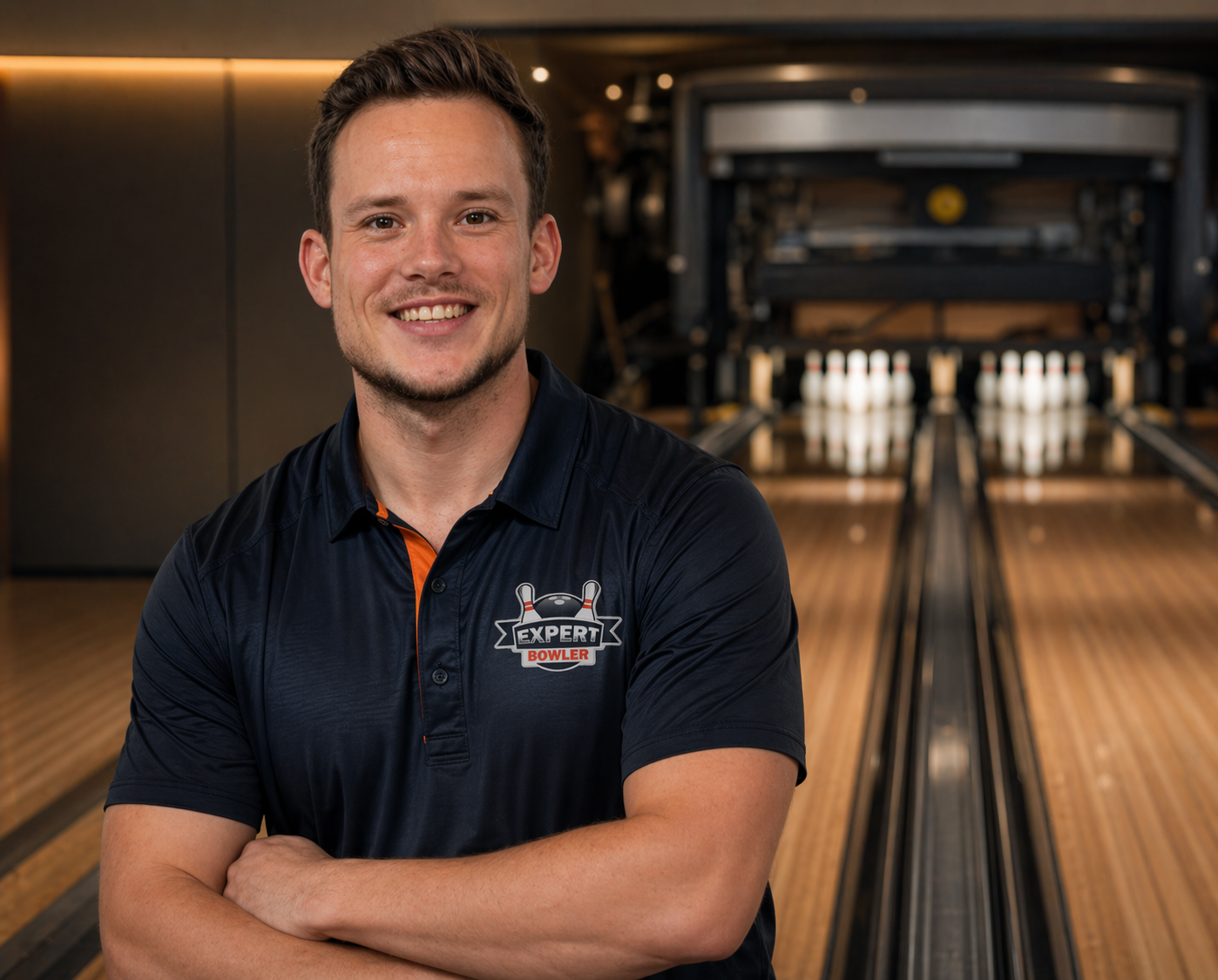
Edited by Jeroen Kooij
Publisher & Editorial Director · Beginner Bowler
Jeroen sets ExpertBowler’s editorial standards and documents his own beginner development through recorded coaching sessions. Product research is kept separate from first-hand evidence; where ExpertBowler has direct fitting or equipment experience, it is labelled in the article. Read how we research, test, and update our content.
Methodology: Picks evaluated against manufacturer specifications, intended lane role, published technical sources, and recurring long-term owner feedback. Direct fitting or equipment experience is labelled separately. We do not accept paid placements.
Updated: 2026.
Sources consulted
- Manufacturer documentation: official core, coverstock, finish, weight-specific specification, and intended-condition data
- Published technical sources: established bowling reviews and instructional references used to compare intended ball motion and lane role
- Owner & community evidence: recurring long-term themes used as supporting context rather than as sole technical proof
- First-hand Rhino fitting: Remco’s July 2026 pro-shop fitting, the physical 14 lb Purple/Black Rhino, its actual box label, and the fitter’s reasoning documented in our Brunswick Rhino review
- USBC equipment information: rules and equipment references where sanctioned-play considerations are relevant