The Purple Hammer Review 2026: Is This Urethane Ball Still a Must-Have?
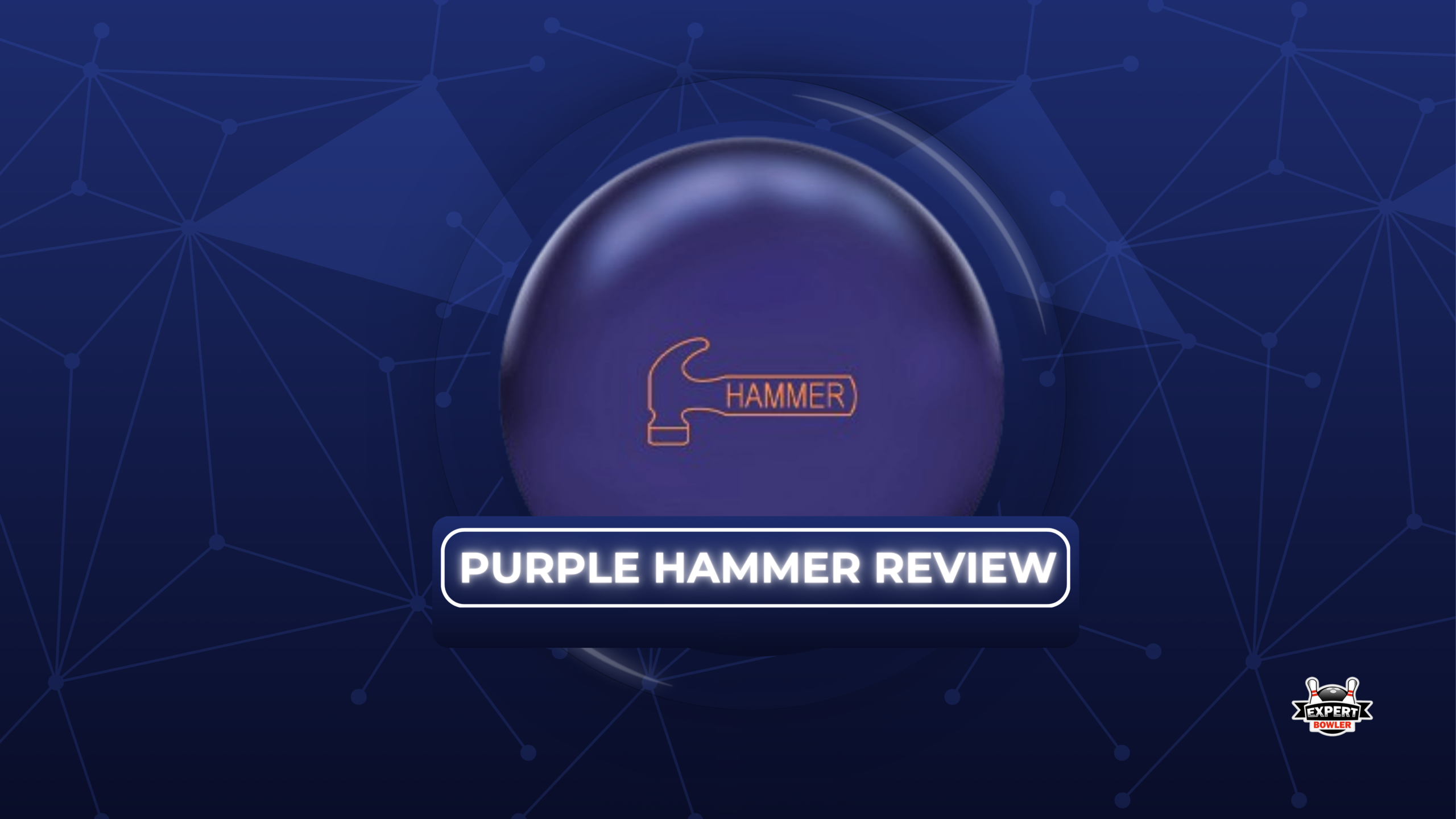
The Purple Hammer bowling ball occupies a strange space in modern bowling equipment. It costs roughly half what premium reactive balls do, uses older core technology by current standards, and it often struggles to create the same entry angle and carry that reactive resin produces.
Yet tournament bowlers continue carrying it, two-handers rely on it when conditions get difficult, and league players keep asking about it.
This review is built from manufacturer specifications, verified community feedback, USBC equipment rulings, and verified owner reports from BowlersMart and Amazon. It covers what the ball actually does on the lanes, who benefits from it, and when it is the wrong choice.
Updated: May 2026 · Reviewed by Jeroen Kooij · See methodology below
Read this before clicking buy
Most reactive and urethane balls ship undrilled. Before you order, factor in:
- Pro shop drilling cost: a one-time fee of roughly $20–50, mandatory unless you can drill yourself
- Bring your hand to the shop for fit measurements before drilling — mismatched holes mean a ball you cannot use and cannot return
- Weight check: if you are between weights, go up (15 lb) for strikes, down (14 lb) for spares. Wrong weight is the #1 return reason
- Coverstock vs lane condition: match the ball to your typical pattern. Check the “who it is for” details below before ordering
A correctly drilled ball is a 5-year tool. Ten minutes of weight and fit checks before ordering saves you a return cycle.
Urethane control where it matters most.
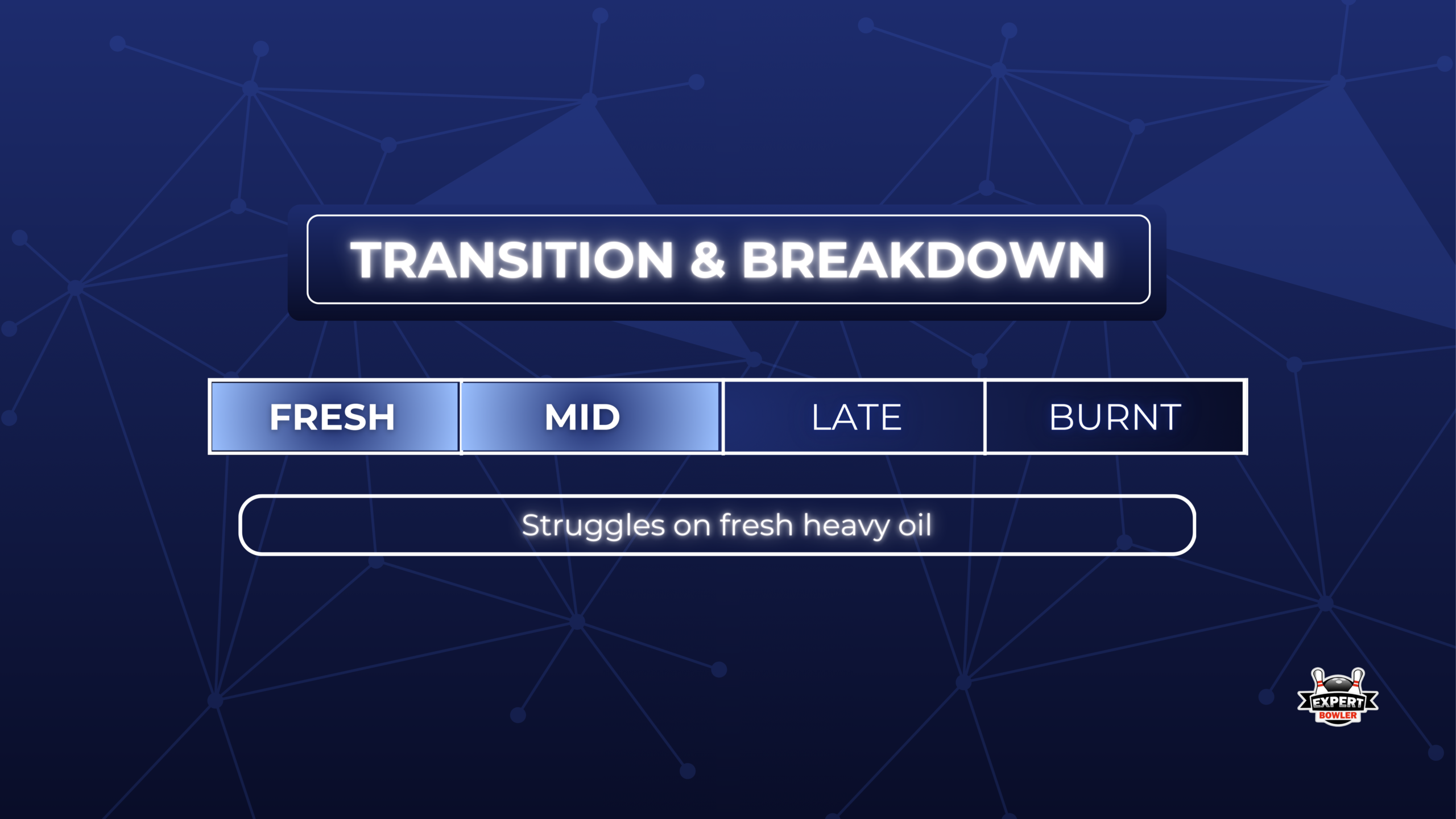
A strong choice for competitive bowlers — early read, continuous motion, and reliable performance when oil patterns start to break down. The Purple Hammer is not for fresh heavy oil or speed-dominant low-rev bowlers, but for the situations it is built for, urethane control remains hard to beat.
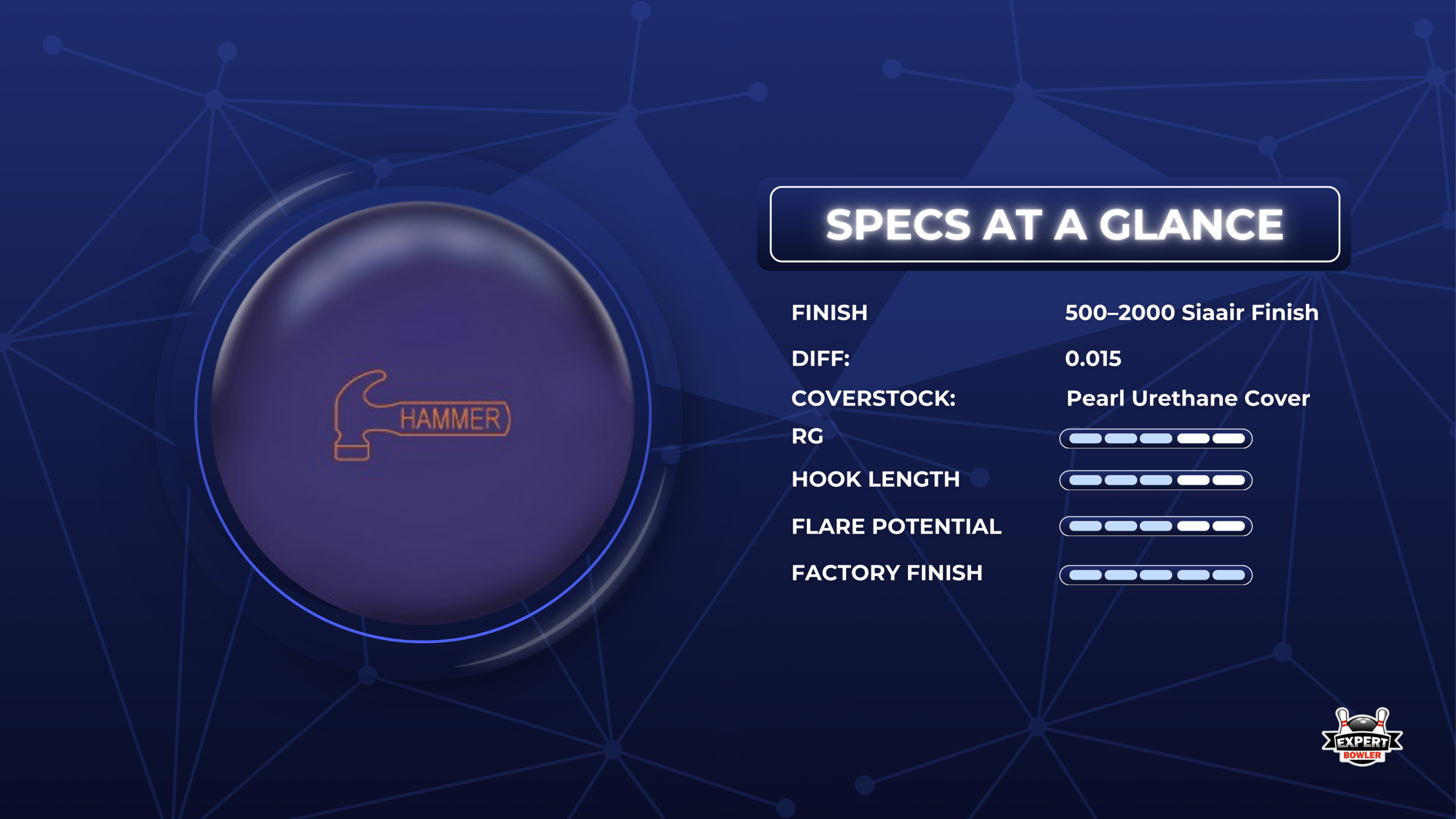
Specs at a glance
Answer four quick questions and our free Bowling Ball Finder matches you to the right ball for your style, lanes and budget — plus a free buyer’s checklist, instantly.
Take the free Finder →The enduring appeal of the Purple Hammer
The Purple Hammer launched in 2016 under the original Hammer brand and developed an almost cult following among tournament bowlers. In November 2019, Brunswick acquired Ebonite International and all of its brands, including Hammer.
Brunswick continued producing the Purple Hammer, initially with green pin versions, then later updated to purple pin versions to meet refined PBA and USBC hardness specifications.
Both current Brunswick green pin and purple pin versions are legal for USBC-sanctioned play. The purple pin version is required for the PBA national tour competition for balls made after August 1, 2022.
The original EBI-made Purple Hammers from 2016-2017 (serial numbers starting with 6 or 7) are banned from USBC national tournaments, though local leagues and tournaments may adopt this rule at their discretion.
The debate around this ball continues because urethane itself divides opinions. Some tournament bowlers view it as essential for managing transition and controlling backends when reactive equipment becomes unpredictable. Others see it as lane-killing equipment that limits scoring pace. The Purple Hammer sits at the center of this debate because it became the most recognizable urethane option in modern bowling.
Performance on the lanes
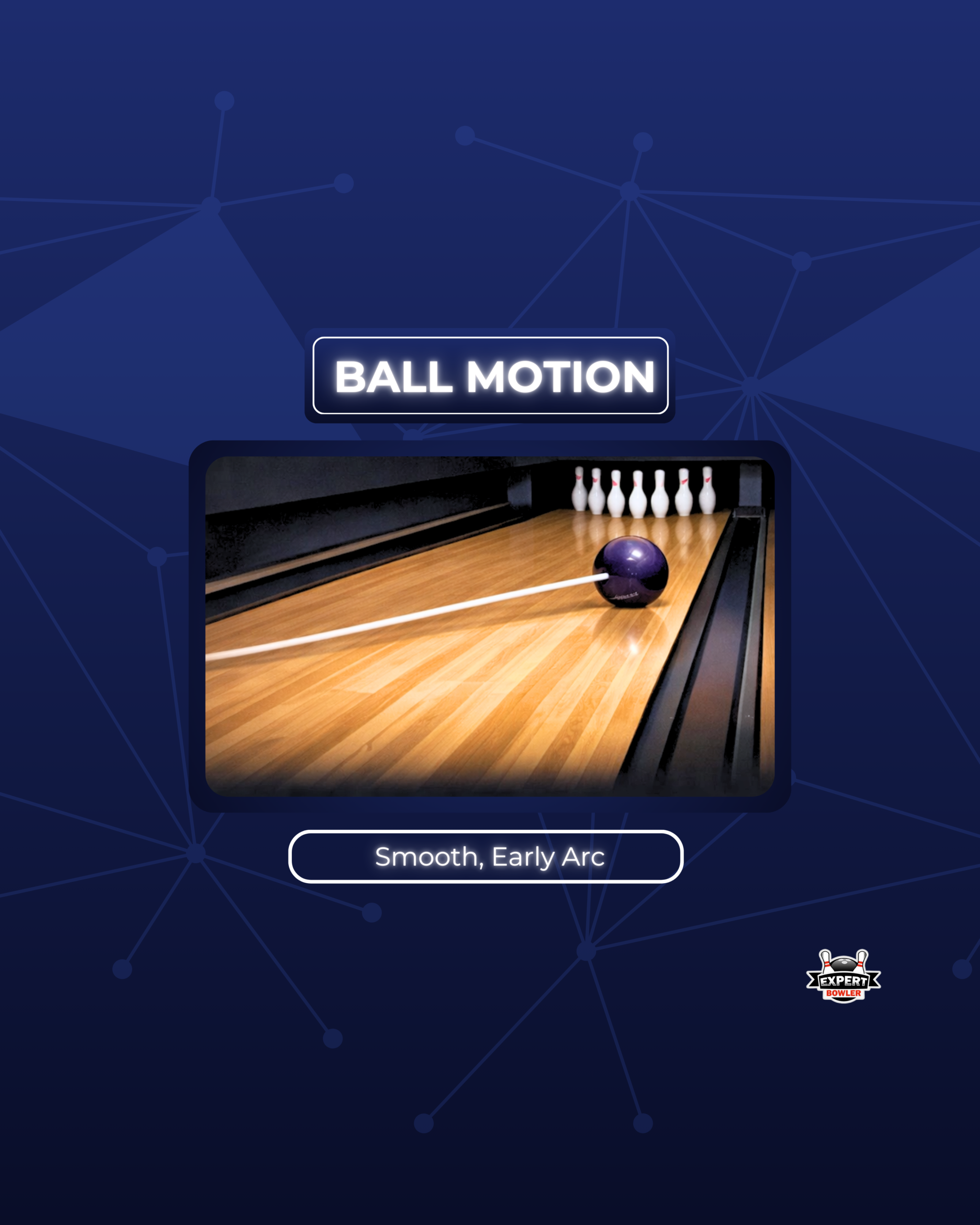
The Purple Hammer delivers an early, controlled read of the lane with a continuous arc through the pins. The 2.65 RG keeps the ball going through the heads before urethane friction takes over — exactly what you want from a urethane to prevent it from burning up too early.
The low 0.015 differential produces minimal flare, which translates to a smooth, predictable shape that holds its line as lanes break down. On transitioned conditions where reactive resin starts over- or under-reacting, the Purple Hammer keeps reading the same shape.
For tournament bowlers on sport patterns
This is where the Purple Hammer earns its reputation. On flatter sport patterns where reactive equipment fights against you, the controlled urethane motion produces hit-able entry angles without burning up before the breakpoint.
For two-handed and high-rev players
Two-handers and bowlers above 400 RPM consistently report better pocket control with the Purple Hammer on shorter and broken-down patterns. Urethane lets high-rev players harness their power instead of fighting it.
For league bowlers managing transition
On a typical house shot, the Purple Hammer is the late-game ball — pulled out when the heads dry out and your reactive starts overreacting. It will not match a reactive’s pin carry on fresh oil, but as a transition tool it stays in many league bags for that exact reason.
Who is the Purple Hammer for?
Yes — tournament bowlers, two-handed and higher-rev players, league bowlers who need a smooth urethane piece for transition. The Purple Hammer is purpose-built for these situations and delivers what reactive resin cannot.
No — speed-dominant low-rev bowlers, anyone primarily playing high-scoring house shots with volume, beginners. The Purple Hammer will leave pins standing for these players and frustrate more than help.
Purple Hammer vs reactive resin
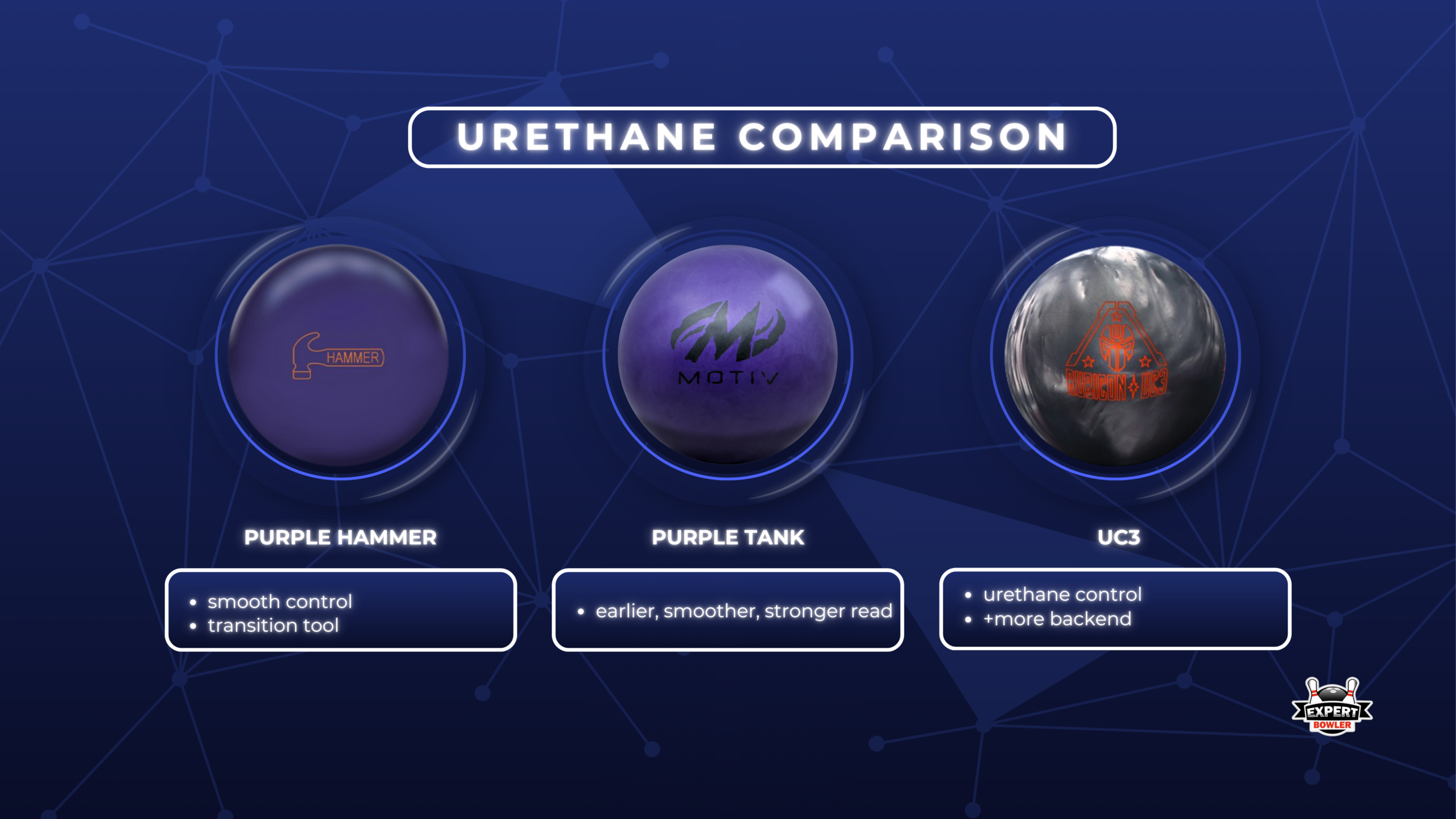
Reactive resin (solids, pearls, hybrids) stores more energy through the heads, hooks more aggressively, and produces sharper entry angles. On a fresh house shot with volume, reactive resin wins on pin carry and scoring pace.
Urethane reads the lane earlier, hooks less, and creates a continuous smooth arc. On broken-down lanes, sport patterns, and short patterns, urethane gives you control that reactive resin cannot deliver because reactive over-reacts to friction.
The Purple Hammer is not a replacement for your reactive strike ball — it is a complement. Tournament arsenals typically carry both reactive and urethane pieces specifically to handle different conditions in the same session.
Pros and cons
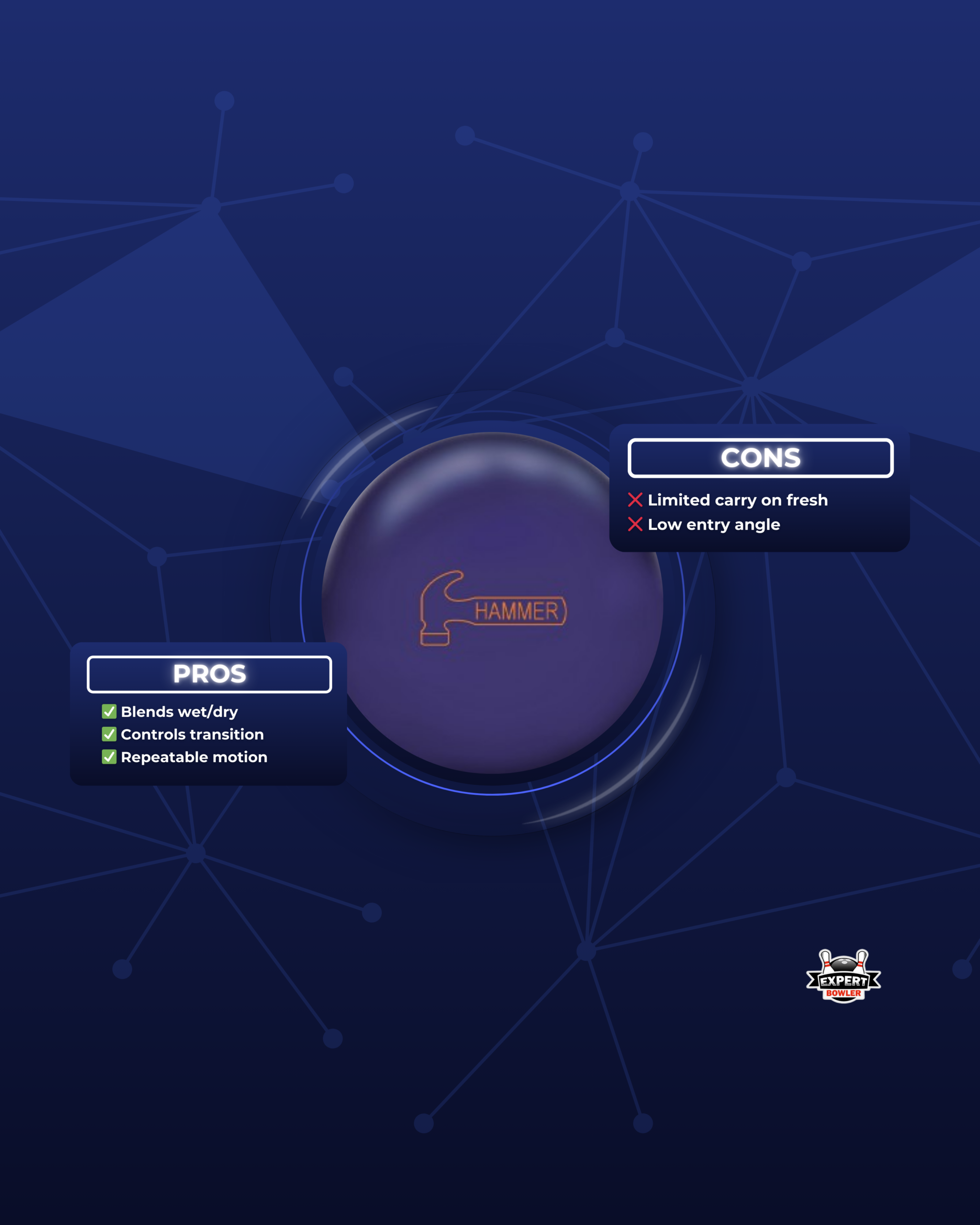
- Continuous, predictable motion that holds shape as lanes break down
- Premium urethane chemistry with USBC-approved hardness specifications
- Strong fit for sport patterns and tournament conditions where reactives over-react
- Excellent option for two-handed and higher-rev players who need to manage hook on shorter patterns
- Long useful life — urethane cover does not absorb oil the way reactive resin does
- Cult-status colorway and proven track record across nearly a decade of tournament use
- Limited carry on heavier oil — struggles on fresh high-volume house shots
- Lower margin for error for rev-dominant bowlers who can overpower the motion on shorter patterns
- Not ideal for high-scoring house shots where reactive resin’s power and entry angle produce better results
- Original EBI-made versions (serial numbers 6/7) banned from USBC national tournaments
Frequently asked questions
Is the Purple Hammer worth it?
Yes — for tournament bowlers, two-handers, and league players who need a urethane option for transition and broken-down lanes. The combination of USBC-legal status, proven track record, and reliable urethane motion makes it the default choice in this category.
No — if you primarily bowl fresh house shots, throw lower revs at higher speed, or are still building consistency. Stick with a reactive piece that produces more entry angle and pin carry on those conditions.
The honest summary: the Purple Hammer is specialist equipment that does one thing very well. If your bowling fits its profile, it is one of the best urethane balls in the sport. If it does not, no amount of price-to-performance math will make it the right choice.
View Purple Hammer on Amazon →
Get our honest 2-page checklist — coverstock, weight, lane oil, and the 5 mistakes that cost most bowlers money. One short email every couple of weeks. No spam.

Edited by Jeroen Kooij
Editor · ExpertBowler
Editor of ExpertBowler. Responsible for editorial standards and methodology compliance. Read more about our editorial process.
Methodology: Picks evaluated against multi-year owner reports and community sentiment. We do not accept paid placements.
Updated: 2026.
Sources consulted
- Manufacturer documentation: official product specifications and technical data
- Community feedback: verified threads on BowlingForums.com and Reddit r/Bowling
- Published reviews: BowlersMart, BowlerX, Amazon multi-year owner aggregations
- USBC equipment specifications: approval lists for league and tournament-grade equipment