
Bowling Balls
Spec-backed bowling ball reviews, expert picks by skill level and lane condition, and the buying guidance that keeps your arsenal honest — for beginners to league bowlers.
Four bowling balls every league bowler should consider.
Picked for distinct league situations — not by commission rate. Core dynamics, coverstock chemistry, lane match, and full reviews behind each.
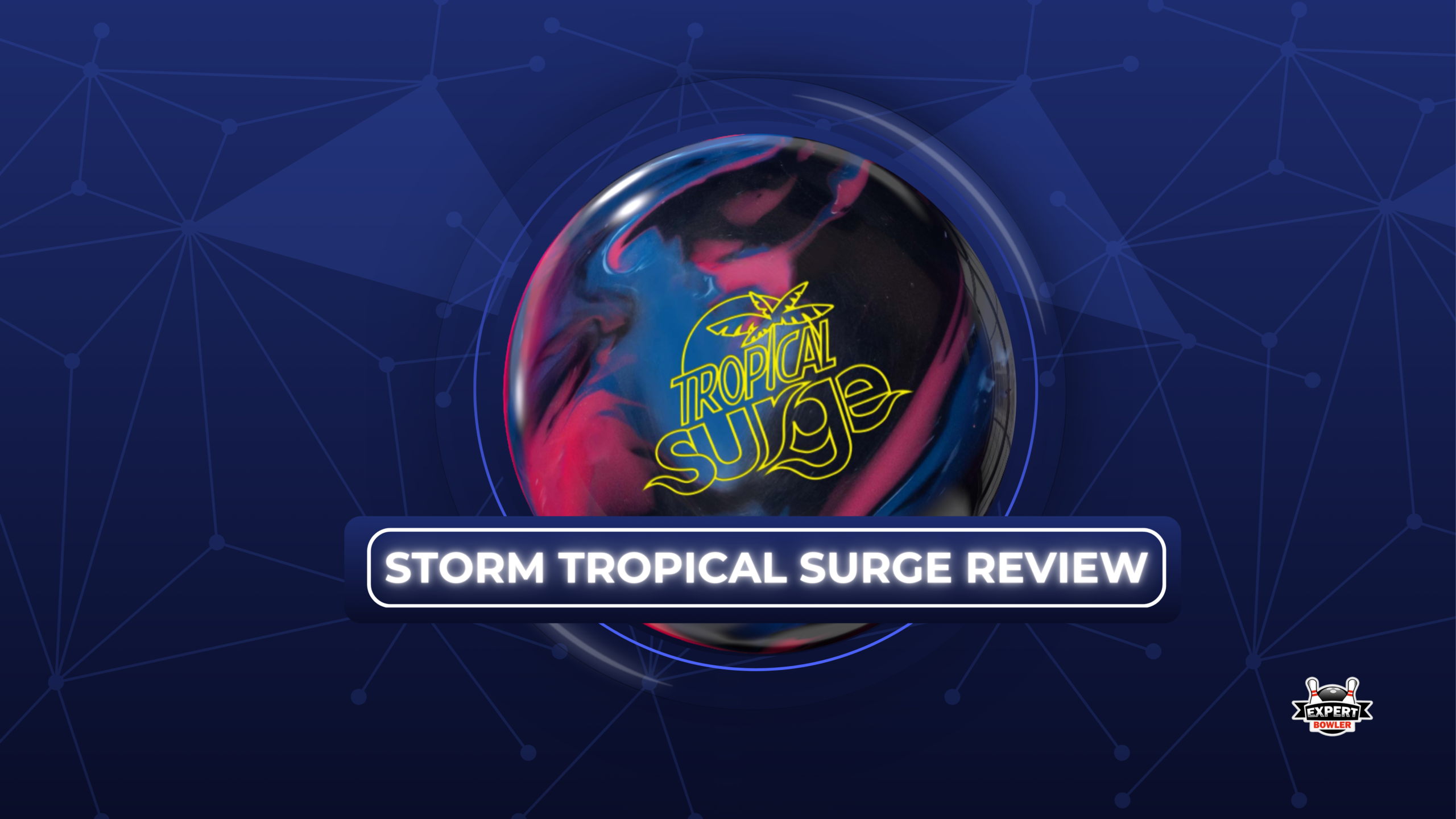
Storm Tropical Surge
The classic first reactive for new league bowlers. Forgiving on inconsistent releases — rewards proper hook mechanics without punishing every small mistake. Priced in the budget tier (under $120).
Watch-out: You will outgrow it within 6-12 months as your rev rate and consistency grow — buy it knowing it is a stepping-stone ball, then keep it as a dry-lane piece.
- Coverstock: Reactor Pearl
- RG: 2.58 · Diff: 0.040
- Best lane: Dry to medium oil
- Hook: Medium (controlled)

Storm Phaze II
Decade-long benchmark symmetric solid. Reads the same shape shot after shot on a typical house pattern — the default first reactive for established league bowlers building an arsenal.
Watch-out: Becomes too aggressive on dry / transitioned lanes — pair with a polished pearl or urethane as the late-game piece for game-3 transition.
- Coverstock: TX-16 Solid
- RG: 2.48 · Diff: 0.051
- Best lane: Medium oil
- Hook: Medium (predictable)
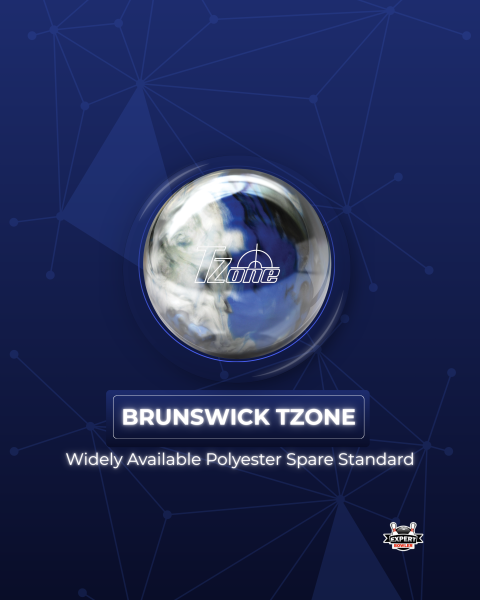
Brunswick TZone
The most-stocked polyester spare ball in the sport. Near-zero differential and polished cover deliver near-perfect straight motion for corner-pin conversion — every league arsenal needs one. Available in countless colorways.
Watch-out: Low differential means no recovery on a misaligned shot — but that is the design intent. Spare balls reward accuracy, not forgiveness.
- Coverstock: Polyester (entry)
- Differential: Near-zero (no flare)
- Best lane: Any (straight motion)
- Hook: None (by design)
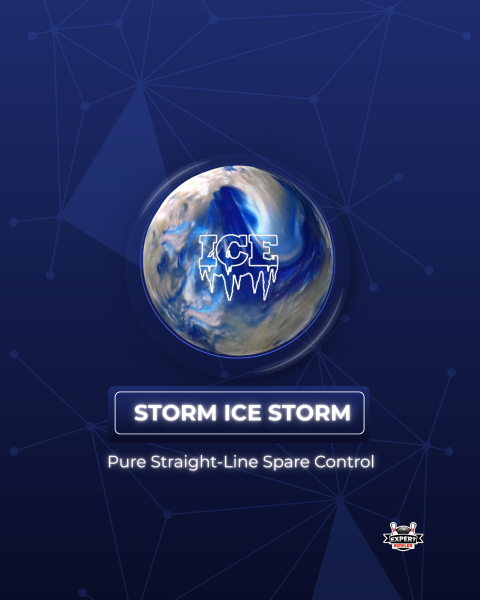
Storm Ice Storm
The premium polyester spare. Same predictable arc in frame 9 of game 3 as in frame 1 of game 1. Near-zero differential, no mass bias, polyester hybrid at factory high polish — pure straight motion for corner-pin lines.
Watch-out: Rewards accurate alignment. If you miss your spare line by more than a board the ball does not recover — that is the design intent.
- Coverstock: Polyester (premium)
- Differential: Near-zero
- Best lane: Any (straight by design)
- Hook: None (factory polish)
The rest of the kit
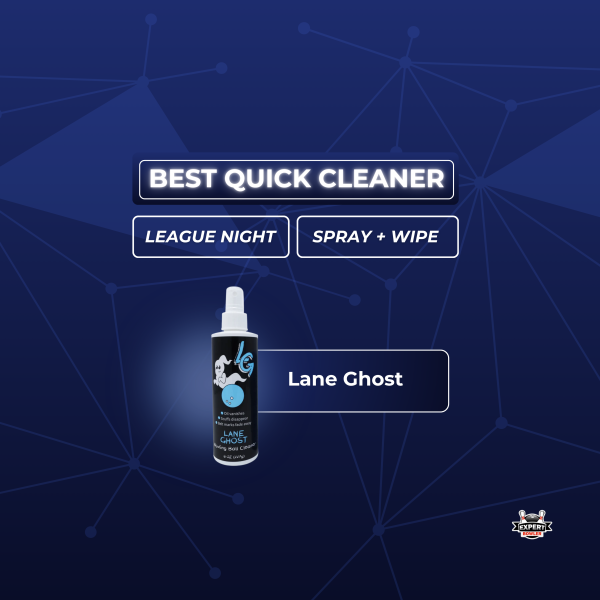
The gear that pairs with the picks above - round out your setup in one go.


Reviews built on sources, not sponsorship.
Every bowling ball pick on ExpertBowler is evaluated against manufacturer specs, USBC equipment rulings, and verified long-term owner feedback. We don't accept payment for higher rankings — affiliate links exist, but they never determine which ball wins which category. Read our editorial standards.
Find the right bowling ball.
Routes into our coverage — by skill level, lane condition, or where you are in your bowling journey.
Best Bowling Balls 2026
Six expert picks across skill levels, lane conditions, and rev rates — the full buying guide.
Open guide →Best Ball for Beginners
Forgiving entry-level reactives that teach hook without punishing inconsistent releases.
Open guide →Best for League Bowlers
Picks by skill level and oil pattern — the practical league arsenal builder.
Open guide →Best for Medium Oil Lanes
Benchmark picks for typical league house shots — the workhorse strike balls.
Open guide →Best Spare Bowling Balls
Plastic spare balls for corner-pin conversion — the straight-throw consistency every arsenal needs.
Open guide →Best Bowling Ball Brands
What each brand is actually known for — Storm, Hammer, Motiv, Brunswick, Roto Grip.
Open guide →Recently reviewed bowling balls.
Fresh reviews — single-product ball reviews, head-to-head comparisons, and buying-guide updates.
Hammer Spawn Review 2026

Storm Hy-Road Bowling Ball Review 2026: Is It the Best?
Roto Grip Hyped UP! Review 2026

Best Straight Bowling Balls 2026: 5 Plastic & Pearl Picks
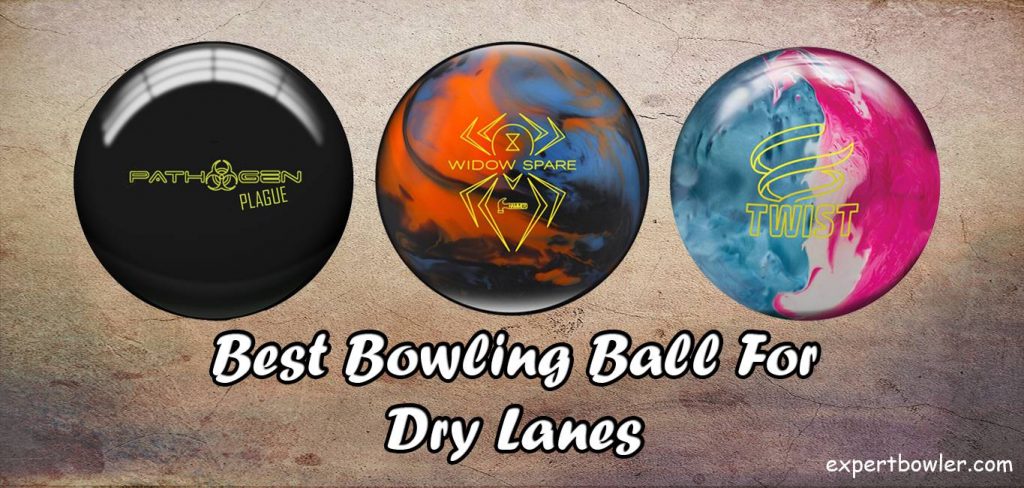
Best Dry Lane Bowling Balls 2026: 5 Urethane & Spare Picks
Best Spare Bowling Balls (2026): Plastic vs Urethane + Top Picks
Common bowling ball questions.
Quick answers to the questions we hear most — coverstock, weight, oil, drilling, and care.
What is the difference between solid, pearl, and hybrid coverstocks?
Solid covers read the midlane earliest and produce continuous arc — best for medium-heavy oil. Pearl covers push further down lane and snap harder at the breakpoint — best for medium-dry. Hybrids blend both. See our full coverstocks guide.
What weight bowling ball should I buy?
Most adult men land at 14-16 lb, most adult women at 12-14 lb. If between weights, go up for strikes and down for spares. Wrong weight is a costly mistake — bring your hand to a pro shop before ordering.
Do bowling balls come drilled?
No — almost all reactive and urethane balls ship undrilled. Factor a pro-shop drilling fee of roughly $20–50 into every purchase. Bring your hand to the shop for fit measurements before drilling. A correctly drilled ball is a 5-year tool; a wrong-fit ball is unreturnable.
How long does a reactive bowling ball last?
With cleaning after every session, 150-200 games before the cover noticeably loses reaction. Resurfacing every 50-75 games extends usable life significantly. Most bowlers outgrow their ball before they wear it out. See our best ball cleaners guide.
When should I add a urethane ball to my arsenal?
Once you have a benchmark and a strong piece and are getting beat by game-3 transition. Urethane like the Purple Hammer holds shape when reactives start overreacting on dried heads — typical tournament use case.
What is a good first 3-ball arsenal?
Benchmark medium-oil symmetric solid (Storm Phaze II) + stronger asymmetric for fresh oil (Hammer Black Widow 3.0) + urethane or pearl for transition (Purple Hammer). Add a polyester spare ball for corner pins and you have a complete league bag.
Are more expensive bowling balls worth it?
For league bowlers averaging 170+, yes — premium coverstocks and core designs deliver more usable hook potential and longer life. Beginners should not jump to top-tier asymmetric pieces; they mask technique errors and stunt skill development.
What is RG and differential and why does it matter?
RG (radius of gyration) controls how early or late the ball revs up — low RG rolls earlier, high RG goes longer before hooking. Differential controls flare potential — higher differential creates more hook. Together they define the ball shape down lane.
Can I use household cleaners on my bowling ball?
No. Household products (alcohol, ammonia, kitchen sprays) can damage reactive coverstocks and void USBC approval. Always use cleaners labelled USBC-approved for in-competition use. See our cleaners guide for safe picks.
How bowling balls actually work.
The fundamentals — coverstocks, ball motion physics, and the maintenance that keeps your reaction sharp.
Solid vs Pearl vs Hybrid
Cover chemistry decides 70% of ball motion — what each type does and when to use it.
Read →Skid, Hook & Roll Phases
The three phases of bowling ball motion explained — why the ball does what it does down lane.
Read →Cleaning & Maintenance
Weekly cleaning, deep oil extraction, and resurfacing intervals — keep your ball reacting like new.
Read →More than bowling balls.
Browse our bowling ball reviews and best-of guides above. For shoes, bags, accessories, and technique see our other editorial hubs.