How to Choose a Bowling Bag: Size, Roller vs Tote, and Fit
By Jeroen Kooij, Editor · Updated 2026
The bag is the gear decision most bowlers get wrong in both directions. New league bowlers buy a 3-ball roller and haul an empty, heavy box to weekly practice. Others cram two balls, shoes, and a wrist brace into a single tote until the seams give out. The right bag is the one that matches how many balls you actually carry and how you get them to the lanes.
This guide walks through that decision: how many balls to plan for, tote vs roller vs backpack, the capacity you need once shoes and accessories go in, and the build-quality signals worth paying for. For the product picks once you know what you want, jump to our best bowling bags hub.
Match the bag to your ball count + how you travel. One ball and a short walk → a single tote. Two balls for league → a double tote or 2-ball roller. Three or more, or a long walk from the car → a roller. Always size up one slot for shoes and accessories, and prioritize wheel and strap quality — that is what fails first.
What we cover in this guide
How Many Balls Do You Actually Carry?
Bag capacity is built around ball count — 1, 2, 3, or 4+ balls — so this is the first decision and it drives everything else. Be honest about what you carry now, not what you imagine owning in two years.
- 1 ball: casual bowlers and beginners. A single tote with a shoe compartment is all you need — light, cheap, easy to carry. See our best 1-ball bags.
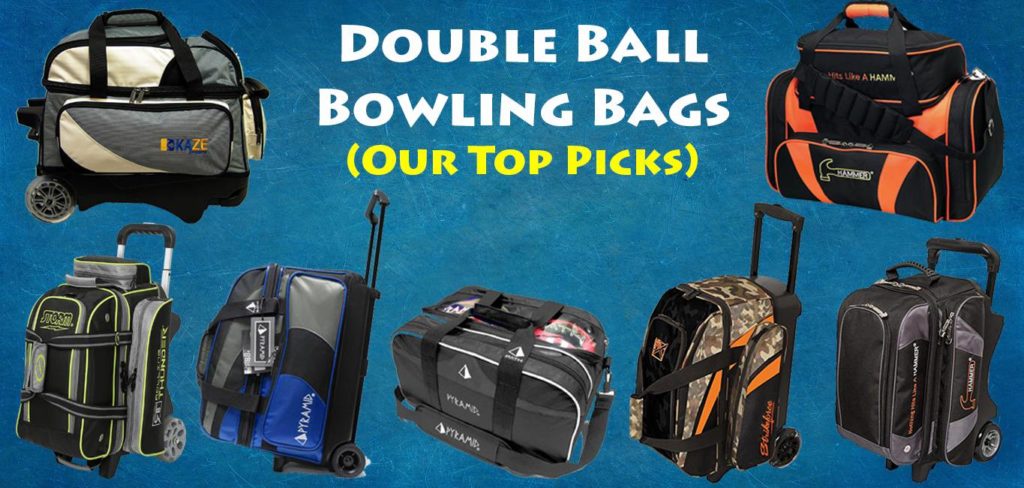
- 2 balls: the league-bowler sweet spot — a strike ball and a spare ball. A double tote or a 2-ball roller covers it.
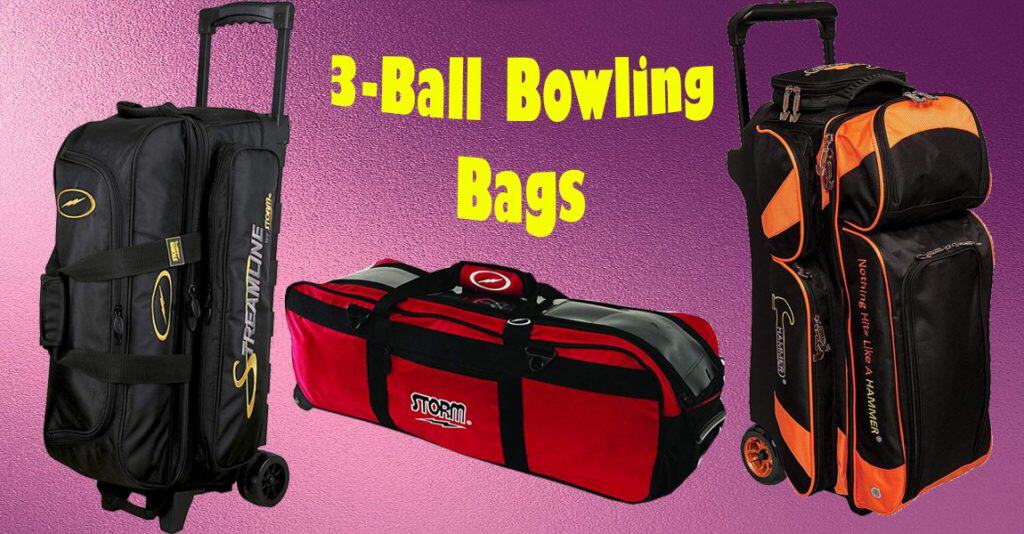
- 3 balls: serious league and tournament players who want options for changing lane conditions. A 3-ball roller is the standard. See our best 3-ball bags.
- 4+ balls: committed tournament bowlers carrying a full arsenal. A 4-ball roller (often a 4×4 design) is the move — covered in our best 4-ball bags.
Rule of thumb: buy for the number of balls you carry plus zero. An empty ball slot is dead weight you wheel around every week. You can always upgrade when your arsenal actually grows.
Tote vs Roller vs Backpack
Once you know your ball count, the carry style is the next call — and it comes down to weight and distance more than anything.
Tote (carried)
Best for 1-2 balls and short walks from the car to the lanes. Lightest and cheapest, with the fewest parts to break. The downside is obvious: a loaded 2-ball tote with shoes is heavy on one shoulder, and that adds up over a long night.
Roller (wheeled)
Best for 2+ balls, anyone with back or shoulder concerns, and longer hauls (big centers, parking lots, tournaments). The wheels carry the weight instead of your shoulder. The trade-off is more moving parts — wheels, handle, base — which is exactly where cheaper bags fail.
Backpack-style
A niche middle ground: a 1-2 ball bag worn on the back, freeing your hands. Popular with bowlers who take public transit or bike. Comfortable for short trips, but not ideal once you add a third ball.
Best Bowling Bags 2026
Know your size and style? See our category picks across totes and rollers.
Capacity: Don’t Forget Shoes and Gear
The “3-ball” label only counts the balls. In practice your bag also has to hold shoes, a towel, cleaner, tape, maybe a wrist support — and that gear needs its own space or it ends up wedged against your equipment.
What to check before buying:
- Dedicated shoe compartment: separate from the ball wells so wet/dirty soles don’t touch your covers. Non-negotiable for most bowlers.
- Accessory pockets: at least one zip pocket for cleaner, towel, and tape so they aren’t loose.
- Shoe size fit: bowlers with size 13+ feet should confirm the shoe pocket actually fits — many run small.
The practical takeaway: a 2-ball bag with a real shoe compartment often serves a league bowler better than a 3-ball bag with nowhere to put shoes. Size for your kit, not just your balls.
Build Quality: What Actually Fails
Bowling bags carry 30-50+ pounds repeatedly, so the failure points are predictable. Spend your money where it breaks:
- Wheels (rollers): the #1 failure point. Larger, smooth-rolling wheels on a metal axle outlast small plastic casters. If reviews mention wheels cracking or seizing, walk away.
- Handle/telescoping pole: should lock firmly and not wobble. A flimsy retractable handle is a daily annoyance and an early failure.
- Straps and stitching: reinforced stitching at stress points; padded, wide shoulder straps on totes.
- Base: a molded or reinforced base keeps the bag upright and protects the bottom from wear.
- Warranty: a real manufacturer warranty (Storm, Hammer, KR Strikeforce, Brunswick) is a signal the brand stands behind the wheels and handle.
For a brand-by-brand reliability read, see our best bowling bag brands breakdown.
The Right Bag by Bowler Type
- Casual / first bag: single tote with a shoe spot. Cheap, light, done.
- League regular: 2-ball roller or double tote — strike ball, spare ball, shoes, accessories.
- Tournament traveler: 3- or 4-ball roller with strong wheels and a locking handle; consider a dedicated travel bag for flying.
- Transit / no car: backpack-style or a light 2-ball roller you can manage on stairs.
Common Mistakes to Avoid
Buying too big. A 3-ball roller for a one-ball bowler is heavier, pricier, and more to break — for no benefit. Match the bag to today’s arsenal.
Ignoring wheel quality. The cheapest rollers save money on exactly the part that fails first. Pay for good wheels or buy a tote instead.
No shoe compartment. Cramming shoes into a ball well presses dirt and moisture against your covers. Confirm a dedicated shoe space.
Forgetting the walk. If it’s a long haul from the car or you have back concerns, a tote you can carry in the store becomes a burden by week six. Be realistic about the distance.
Frequently Asked Questions
What size bowling bag do I need?
Match it to the balls you carry now: 1 ball → single tote, 2 balls → double tote or 2-ball roller, 3+ balls → roller. Then make sure it also fits your shoes and accessories. Don’t buy extra ball slots you won’t fill — an empty well is just dead weight.
Are roller bowling bags worth it?
For 2+ balls, long walks, or any back/shoulder concern — yes. The wheels carry the weight instead of your body. For a single ball and a short walk, a tote is lighter, cheaper, and has nothing to break. Buy a roller for the load, not the look.
Can a bowling bag hold shoes too?
Most quality bags have a dedicated shoe compartment separate from the ball wells — which is what you want so dirty soles don’t touch your covers. Always confirm it before buying, and if you wear size 13+, check the pocket actually fits your shoes.
How long should a bowling bag last?
A well-built bag from a major brand lasts many seasons; the wheels and telescoping handle are what give out first on rollers. Buying for wheel and handle quality — and a real warranty — is the difference between a bag that lasts five years and one that fails in one.
Do I need a separate travel bag for flying?
If you fly to tournaments, a purpose-built travel bag with heavy-duty wheels and airline-friendly dimensions protects your equipment better than a standard roller. For driving to local league, a regular roller is fine. See our travel bag picks if you fly often.
Related guides
- Best bowling bags 2026 — full category hub
- Best 1-ball bowling bags
- Best 3-ball bowling bags
- Best 4-ball bowling bags
- Best bowling travel bags
- Best bowling bag brands
Get our honest 2-page checklist — coverstock, weight, lane oil, and the 5 mistakes that cost most bowlers money. One short email every couple of weeks. No spam.

Edited by Jeroen Kooij
Editor · ExpertBowler
Editor of ExpertBowler. Responsible for editorial standards and accuracy of bowling gear and equipment guidance. Cross-references manufacturer specs and verified league-bowler feedback. Read more about our editorial process.
Editorial standards: Gear guidance cross-referenced with manufacturer specifications. We do not accept paid placements.
Updated: 2026.
Sources & references
- Manufacturer documentation: Storm, Hammer, KR Strikeforce, Brunswick bag specifications and warranties
- Community feedback: verified threads on BowlingForums.com and Reddit r/Bowling