How We Test & Review Bowling Gear
By Jeroen Kooij, Editor · Updated August 2026
At ExpertBowler, trust is the product. Affiliate links and ads keep the lights on, but a recommendation is only worth something if it points you to the right gear — not the gear that pays the most. This page explains exactly how we reach a verdict, what evidence sits behind every pick, and just as importantly, what we don’t do.
We hold ourselves to the standard set by the review sites we admire — clear verdicts, honest watch-outs, and a transparent process you can check. If we ever fall short of what is written here, tell us and we will fix it.
New to ExpertBowler? Our Start Here page is the curated entry point — a fast way to find your way to our most-asked bowling gear and lane-play guides.
Our review principles
Independence. Our verdicts are not for sale. No brand pays for a placement, a higher ranking, or a softer review. When a ball is wrong for most bowlers, we say so — even one we earn a commission on.
Honesty, including the downside. Every pick we publish carries at least one real watch-out. No piece of bowling gear is right for everyone, and a review that only lists strengths is not a review — it is an ad.
Reader-first. The goal is the right ball for you and your game, not the most expensive one. We routinely recommend cheaper gear when it is the better fit, and we tell beginners when they do not need to spend more.
Transparency about our evidence. We are clear about what each verdict rests on. Where we have had hands-on time with a ball, we say so. Where a verdict is built on specification data plus aggregated expert and owner feedback, we say that too. We never dress up research as testing we did not do.
What our verdicts are built on
Bowling gear is harder to review than most products — ball motion depends on coverstock chemistry, core dynamics, surface finish, and the oil pattern you bowl on. To reach a reliable verdict we triangulate several independent sources rather than relying on any single one:
Manufacturer specification data. Coverstock type and finish, core shape, RG, differential, and USBC approval status — the measurable inputs that predict how a ball reads the lane.
USBC coaching and technical materials. The United States Bowling Congress publishes the coaching curricula and lane-maintenance standards that underpin our technique and lane-play guidance.
Published coaching guidance. We draw on guidance published by certified coaches — layout advice and which balls hold up over a season — and aggregate it rather than leaning on any single coach’s opinion.
Verified owner and league-bowler feedback. Long-term owner reviews, league-bowler reports, and verified community threads (BowlingForums.com, Reddit r/Bowling) tell us how gear behaves after months of use — durability, cover maintenance, and real on-lane reaction, not just out-of-box impressions.
Hands-on lane time, clearly labeled. Our hands-on testing program is growing, and when a verdict includes our own time with a ball on the lane we say so explicitly. We would rather tell you honestly what a verdict rests on than imply a testing lab we do not run.
We are learning this ourselves, with a coach
Everything above describes how we handle other people’s evidence. Since July 2026 we have been generating our own. Our editor and his twin brother booked lessons with Jack Edelaar — NOC*NSF Master Coach, and national coach of the Dutch youth, junior elite and women’s teams from 1986 to 2001 and of the Czech national team from 2007 to 2009 — and started from zero, and we are logging the whole thing — every session recorded, every correction written down and dated, including the parts that went badly.
The first lesson, on 27 July 2026, is a fair example of why it is worth doing. We expected to be corrected on the swing and the release. The first three corrections were how you lift the ball off the rack, cleaning the ball before the first shot rather than after the last, and deciding what you intend to do before you step onto the approach. None of that appears in the specification sheets, the coaching curricula or the community threads we normally draw on — and none of it would have reached this site if we had not gone ourselves.
What comes out of those sessions goes into our guides, and we label it where it appears. We are also being taught the two-handed style from the start, which means we are documenting a technique from the position of someone learning it rather than someone describing it. When a session contradicts something we have already published, we change what we published.
Where his explanations appear on this site they appear as direct quotes, attributed, with a link to his own site — and he read and corrected them before they were published. He is not paid by us, he does not sign off our reviews, and anything he asked us not to publish is not here. The standard he applies to everyone else seems a fair one to apply to us:
“The internet is full of people who know. The moment someone says ‘you have to do it this way’, I ask straight back: why do I have to? If there’s no clear answer to that, then maybe you don’t.”
Jack Edelaar, said during a coaching session with us, August 2026.
So: where we state something on this site, we try to say where it came from — a manufacturer specification, the USBC rulebook, a ball we had drilled and photographed ourselves, or a coach who was standing next to us at the time. If a page fails that test, it is a page we still owe you.
How we evaluate a bowling ball
Every ball we cover is judged on the same five criteria, in roughly this order of importance:
1. Coverstock and finish. The cover does most of the work in how a ball reads the lane. We look at type (plastic, urethane, reactive solid, pearl, or hybrid) and out-of-box surface, and who that combination suits.
2. Core and ball motion (RG & differential). The core shapes the ball’s overall motion — how early it revs, how much it flares, how sharp the move at the breakpoint is. We translate the numbers into what you will actually see on the lane.
3. Lane-condition match. A ball that is perfect on heavy oil can be unusable on a dry house shot. We are specific about the oil volume and pattern each ball is built for — see how to read lane conditions.
4. Who it is for. Rev rate, ball speed, and skill level decide whether a ball fits you. We call out the bowler each pick suits — and who should skip it.
5. Value. Performance per dollar, durability over a season, and whether a cheaper ball does the same job. The most expensive ball is rarely the right answer for most bowlers.
How we evaluate shoes, bags, and accessories
The same honesty applies across categories, with criteria suited to each. Shoes: slide consistency, sole and heel interchangeability, build quality, and whether you need performance shoes at all yet. Bags: protection, capacity, wheel and handle durability, and travel-readiness. Accessories and cleaners: whether they actually do the job (and whether they are USBC-legal for competition), weighed against the cheaper alternatives most bowlers reach for first.
How we choose our top picks
A “best of” guide is only useful if the list is honest. A ball earns a spot because it is genuinely the best answer for a specific bowler or condition — not because it is new, heavily marketed, or pays the most. We keep our lists to the picks we would actually recommend, name the single best fit for each type of bowler, and revisit a guide when a better option ships or a pick is discontinued.
Best Bowling Balls 2026
Our flagship buying guide — verdicts, watch-outs, and who each ball is for.
How we keep reviews current
Bowling gear changes every season. We re-check our buying guides on a rolling schedule, update them when new balls launch or picks are discontinued, and stamp each guide with the date it was last reviewed. If you spot something out of date or wrong, let us know — corrections are a feature, not an embarrassment.
How ExpertBowler makes money
We earn commissions when you buy through some of our links, and we run display ads. You never pay more for using our links, and the commercial relationship never changes a verdict or a ranking. We mark affiliate links clearly and follow FTC disclosure rules — the full detail is on our disclosure page. If anything, our incentive is the opposite of hype: recommend the wrong ball and you will not come back.
Who is behind ExpertBowler
ExpertBowler is a small, independent editorial team. Jeroen Kooij is the editor and operator, responsible for editorial standards and the accuracy of everything we publish. Our content is produced and reviewed by a team of editors and bowling-focused writers, and cross-referenced against the sources above before it goes live. We are bowlers building the resource we wished existed — honest, specific, and free of hype.
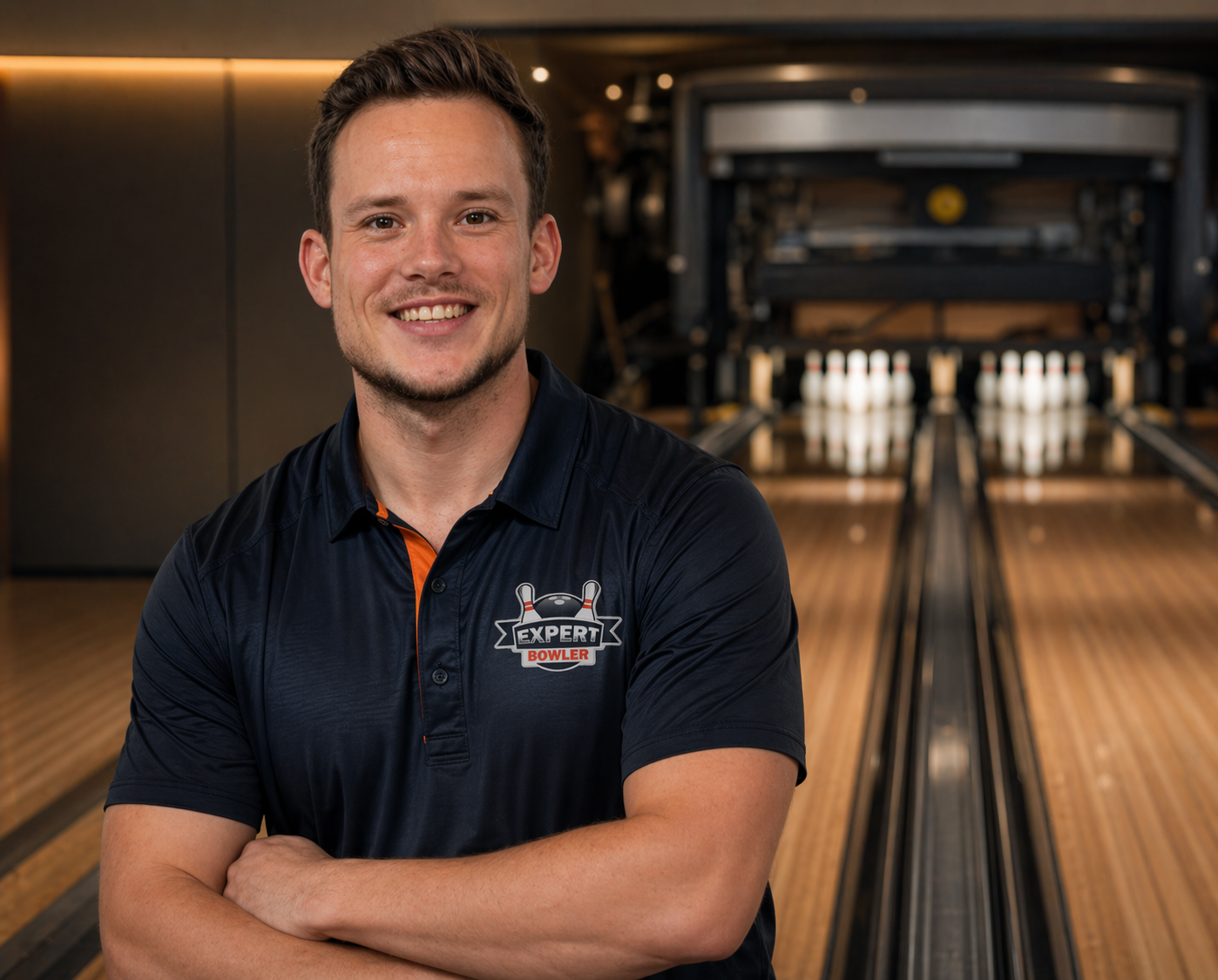
Jeroen Kooij
Editor · ExpertBowler
Editor and operator of ExpertBowler, responsible for editorial standards and the accuracy of our bowling gear, technique, and lane-play guidance. Every guide is cross-referenced against USBC coaching materials, manufacturer specifications, published coaching guidance, and verified league-bowler feedback before it is published.
Editorial standards: Verdicts are independent and never sold. We do not accept paid placements, and we disclose our affiliate relationships in full.
Last reviewed: August 2026.
Sources & references
- USBC coaching materials: bronze, silver, and gold-level coaching curricula and lane-maintenance standards
- Manufacturer specifications: coverstock, core, RG, differential, and USBC approval data
- Published coaching guidance: aggregated layout and durability guidance from certified coaches
- Verified community feedback: long-term owner reviews and verified threads on BowlingForums.com and Reddit r/Bowling
- Our own coaching sessions: lessons with Jack Edelaar (NOC*NSF Master Coach) since July 2026; quotes used on this site were reviewed and corrected by him before publication
- Published bowling instruction: Bowling This Month and Bowl.com instructional resources