
Bowling Balls
Honest reviews and best-of guides for bowling balls — by coverstock, lane condition, and skill level. Every pick is reader-tested and pro shop-validated.
Four bowling balls we'd recommend right now.
Picked for distinct bowler situations — not by commission rate. Coverstock specs, watch-outs, and full reviews behind each.
Storm Tropical Surge
Editor's pick for new league bowlers — predictable hook with forgiving back-end recovery. The most-recommended first reactive ball in pro shop fitting feedback for 2026.
- Coverstock: Solid Reactive
- Core: Symmetric Light Bulb
- RG: 2.57
- Diff: 0.043
Storm Hy-Road Pearl
The single most-cited ball in league pro shop conversations. Pearl reactive cover with predictable medium-oil response — earns the "just buy it" status for a reason.
- Coverstock: Pearl Reactive
- Core: Inverted Fe2 Light Bulb
- RG: 2.57
- Diff: 0.046
Hammer Black Widow 3.0
Aggressive solid reactive built for heavy-oil lane conditions. Hammer's most-trusted hook ball line, refined through three iterations into the 3.0.
- Coverstock: Solid Reactive
- Core: Gas Mask Asymmetric
- RG: 2.50
- Diff: 0.054
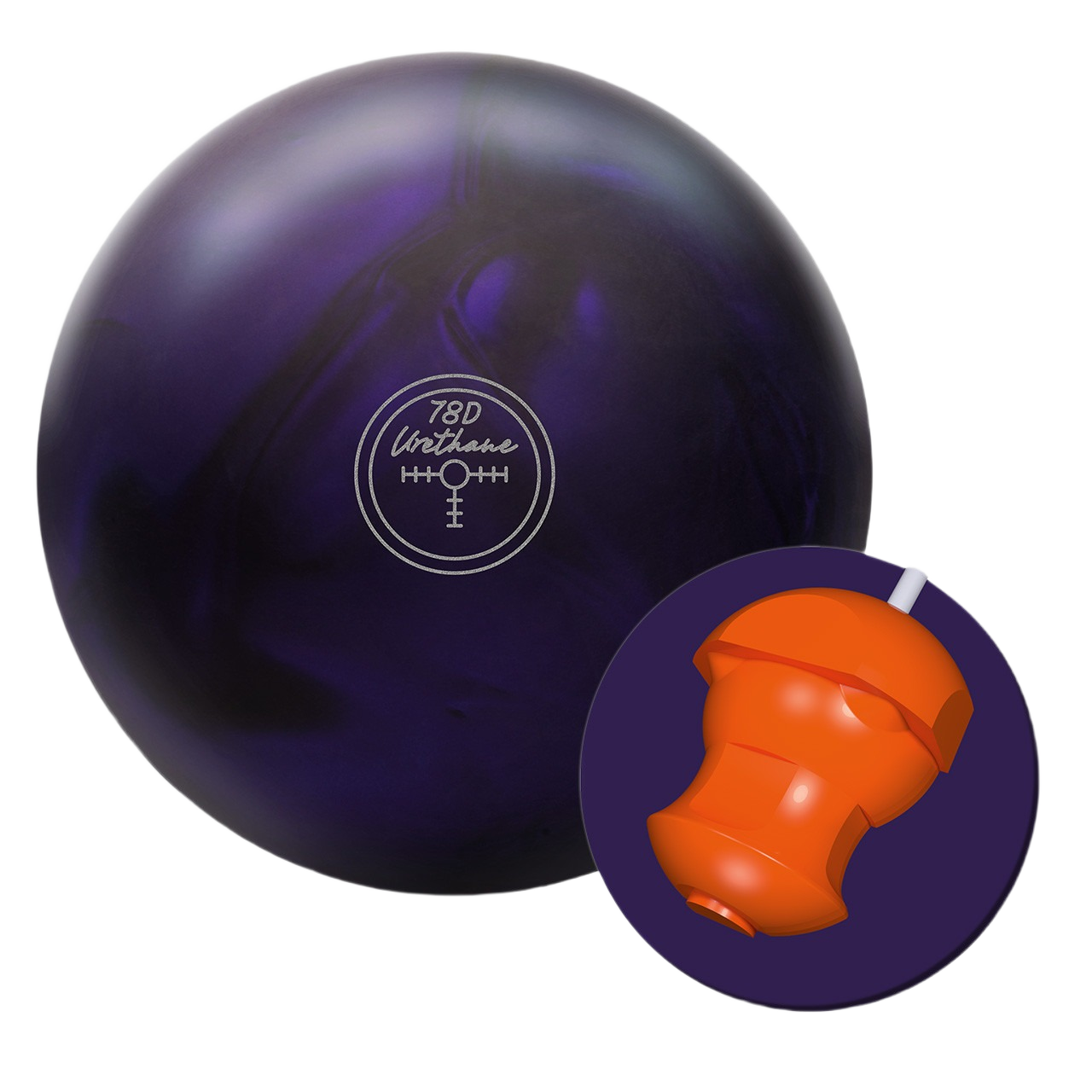
The Purple Hammer
Cult-status urethane that flips the medium-oil game. Predictable arc, smooth back-end — the ball serious league bowlers reach for on tournament transitions.
- Coverstock: Urethane
- Core: Light Bulb Symmetric
- RG: 2.61
- Diff: 0.020
Individual ball reviews worth reading.
Deeper reads on the balls our editors keep coming back to — coverstock, core, hook shape, and which bowler each one fits.
Storm Hy-Road
The benchmark medium-oil pearl reactive — the ball every league bowler is measured against. Predictable read, clean back-end motion.
Read review →Hammer Black Widow 3.0
Hammer's flagship aggressive solid — the third refinement of the Black Widow line, built for the heaviest house and sport patterns.
Read review →Motiv Venom Shock
Versatile hybrid coverstock with a strong league following — who it's for, hook shape, and best lane conditions broken down in detail.
Read review →The Purple Hammer
Cult-favorite urethane — the ball league bowlers reach for when reactives are reading too soon. Smooth arc, predictable transition.
Read review →Reviews built on sources, not sponsorship.
Every ball reviewed on ExpertBowler is researched against manufacturer spec sheets (RG, differential, coverstock formula), USBC equipment research, and pro shop feedback. We don't accept payment for higher rankings — affiliate links exist, but they never determine which ball wins which category. Read our editorial standards.
Find the right bowling ball.
Four routes into our coverage — by skill level, lane condition, or whether custom is right for you.
Best for Beginners
First ball picks for new league bowlers — solid reactive, predictable hook, forgiving back-end.
Open guide →Best for Medium Oil
League-condition picks — pearl and hybrid coverstocks that read transition without surprise.
Open guide →Best for League Bowlers
Skill-level picks across coverstocks — what to throw when you've outgrown your first ball.
Open guide →Custom Bowling Balls
Drilled-to-fit, surface-tuned, layout-optimized — when custom is worth it and when it's not.
Open guide →Recently reviewed bowling balls.
Fresh ball reads — specs read, drilling considered, real-world reaction documented.
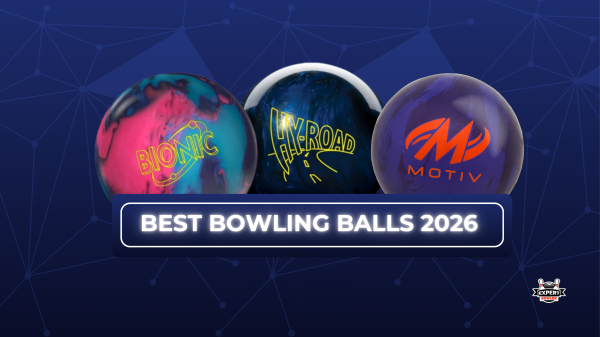
Best Bowling Balls 2026: Expert Picks by Bowler Type and Lane Condition
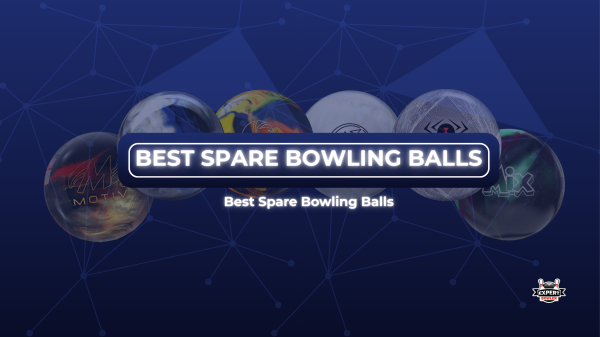
Best Spare Bowling Balls (2026): Plastic vs Urethane + Top Picks
Best Bowling Ball for League Bowlers (By Skill Level & Oil Conditions)
Storm Hy-Road vs Motiv Venom Shock: Which One Should You Choose?
Best Bowling Ball for Medium Oil Lanes
The Purple Hammer Review: Is This Urethane Ball Still a Must-Have?
Common bowling ball questions.
Quick answers to the questions we hear most — from pricing to drilling to lifespan.
How much should I spend on my first bowling ball?
For a first reactive bowling ball, expect to spend $90–$160 retail. Storm and Hammer offer entry-level reactive balls in this range that match what serious league bowlers actually use. Avoid spending under $50 unless you only need a spare ball — cheaper balls are usually plastic and won't hook.
What's the difference between reactive and urethane bowling balls?
Reactive resin coverstocks have microscopic pores that absorb lane oil, creating strong friction and aggressive hook potential. Urethane is denser and absorbs less oil, producing a smoother, more controllable arc with less backend snap. Reactive is the league standard for strike balls; urethane is used for spare balls and on broken-down lane conditions.
How long does a bowling ball last?
A reactive bowling ball lasts roughly 60–100 games of competitive use before the coverstock loses its reaction. With proper cleaning after every session and surface refresh every 30–50 games, you can extend that to 150+ games. Tournament-level bowlers typically retire balls when they stop reading the lane the same way as new.
Do I need different bowling balls for different lane conditions?
Yes — lane oil patterns change ball reaction significantly. Heavy oil patterns require strong solid reactives that grip through the oil. Medium patterns work with hybrids or pearls. Dry or burned-up lanes need urethane or weaker reactives to avoid early hook. A complete arsenal usually has 3 balls covering different oil volumes.
What does RG mean for a bowling ball?
RG (Radius of Gyration) measures how mass is distributed inside the ball's core. Low RG (under 2.50) means mass is concentrated near the center — the ball revs up early and reads the lane sooner. High RG (over 2.55) keeps mass toward the edges — the ball stores energy longer and breaks later. Most reactive balls fall between 2.48 and 2.58.
Can I drill my own bowling ball?
Technically yes, but practically no. Bowling ball drilling requires precision measurement of your span, pitch, and grip preferences — mistakes are unfixable and cost you the ball. Professional pro shops drill balls in 30 minutes using calibrated equipment for $30–$60. Always go to a pro shop unless you have specialized training.
What weight bowling ball should I use?
A common rule is 10% of your body weight, but maxing at 16 pounds (USBC limit). Most adult men use 14–15 pound balls; most adult women use 12–14 pounds. The right weight is the heaviest you can throw with a clean release for an entire session without arm fatigue. If you're losing rev rate by frame six, drop a pound.
Should I buy used bowling balls?
Used balls can save 40–60% off retail, but check three things: surface texture (worn balls lose reaction), drilling layout (must fit YOUR span and pitch), and cracking. A used ball that has been heavily used often won't react like new even after surface prep. Best for spare balls or beginner reactives.
How bowling balls work.
The technical foundations — coverstock chemistry, ball motion phases, maintenance, and side-by-side comparisons.
Bowling Ball Coverstocks Explained
Solid vs pearl vs hybrid — what each does on different lane conditions and which to buy first.
Read →Three Phases of Ball Motion
Skid, hook, and roll — understanding what your ball is actually doing on the lane.
Read →Ball Cleaning and Maintenance
Protecting performance — surface care, deep cleaning, and the maintenance schedule that matters.
Read →Hy-Road vs Venom Shock
Side-by-side comparison — coverstock, core, lane behavior, and which one fits your game.
Read →More than balls.
Browse our ball reviews and best-of guides above. For shoes, bags, and accessories see our other editorial hubs.