Hammer Black Widow 3.0 Review 2026: Best Ball for Medium-to-Heavy Oil?
Read this before clicking buy
The Hammer Black Widow 3.0 ships undrilled. Before you order, factor in:
- Drilling: the ball ships undrilled, so factor in professional fitting and drilling unless you already have a trusted setup and qualified driller.
- Fit first: have your hand measured and discuss span, pitches, grip style, and intended use with the pro shop before drilling.
- Weight: choose the weight you can repeat comfortably with your normal technique; do not use a separate ‘strike weight’ and ‘spare weight’ rule.
- Lane-role check: the Black Widow 3.0 is a stronger reactive option. Make sure that reaction role actually matches the conditions you bowl and the gap in your current bag.
Drilling and fit are difficult to undo, so it is worth getting those decisions right before ordering. Exact service life depends on use, maintenance, damage, and how the ball is resurfaced over time.
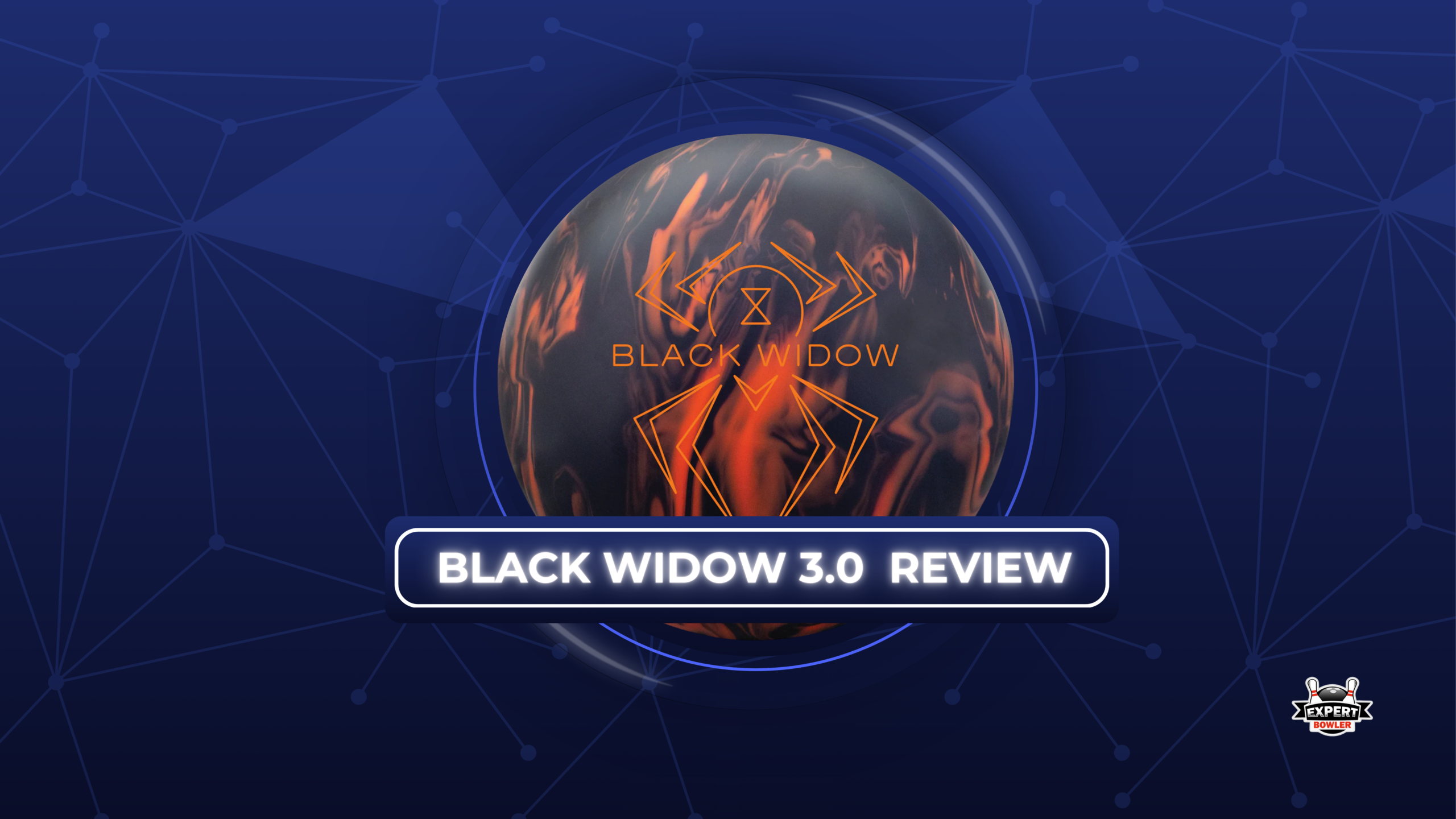
The Hammer Black Widow 3.0 is a higher-performance asymmetric in Hammer’s lineup, built around the Gas Mask core and HK22 Aggression Solid coverstock. This review focuses on where that combination appears to fit based on current specifications, published technical coverage, and recurring owner feedback.
This review is based on manufacturer specifications, published technical sources, current equipment information, and recurring owner/community feedback. We have not personally lane-tested the Black Widow 3.0, so lane-reaction descriptions below are presented as sourced editorial assessment rather than first-hand test results.
Updated: August 2026 · Edited by Jeroen Kooij · See methodology below
A strong asymmetric option for higher-traction roles.
Our editorial read: the Black Widow 3.0 belongs in the stronger end of a league or tournament arsenal when you need more traction and shape than a benchmark piece. Its actual motion depends on surface, drilling, release, and lane condition, so we would not treat it as a universal medium-to-heavy-oil answer.
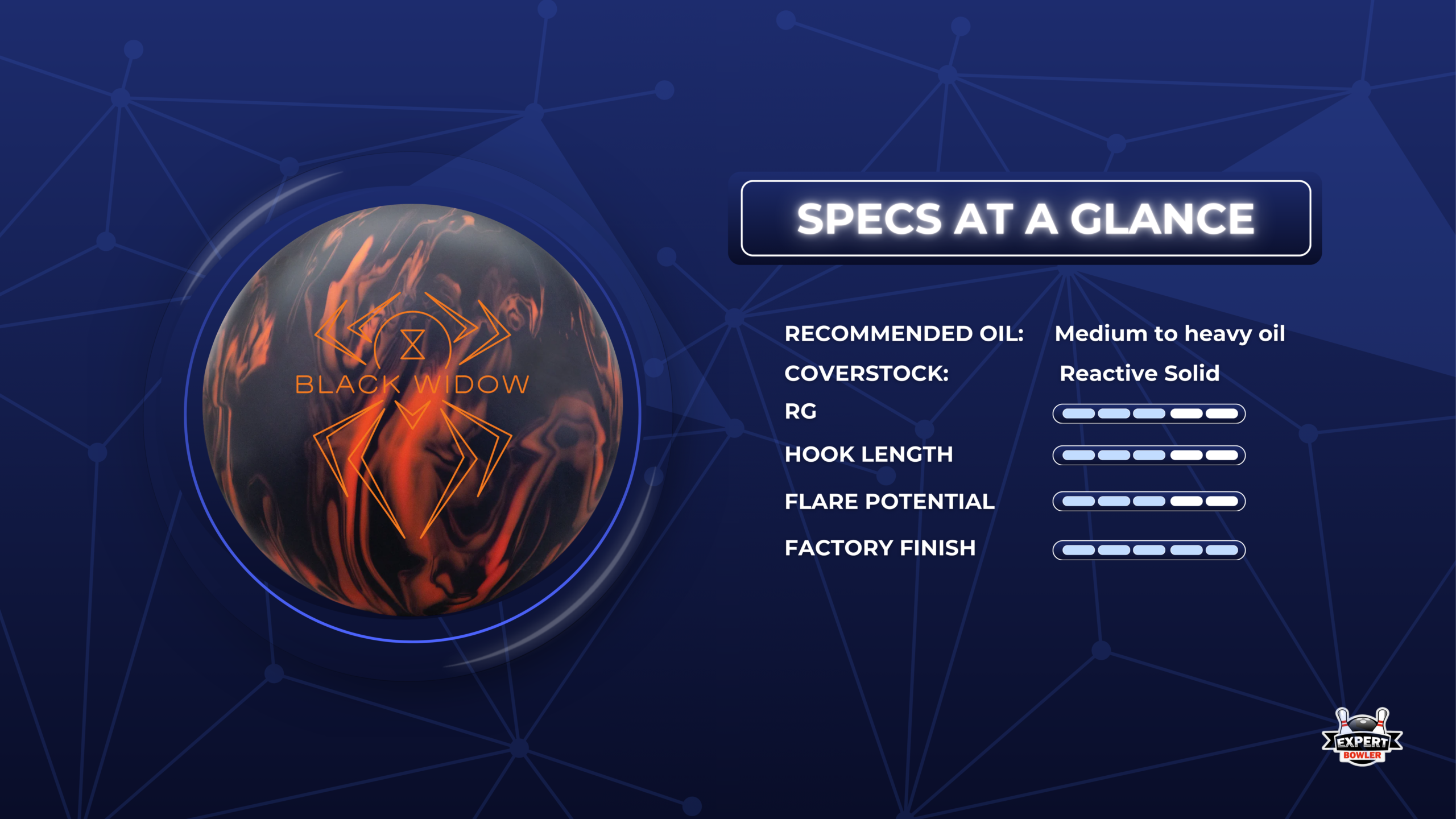
Specs at a glance
Answer four quick questions and our free Bowling Ball Finder matches you to the right ball for your style, lanes and budget — plus a free buyer’s checklist, instantly.
Take the free Finder →The technology behind the Black Widow 3.0
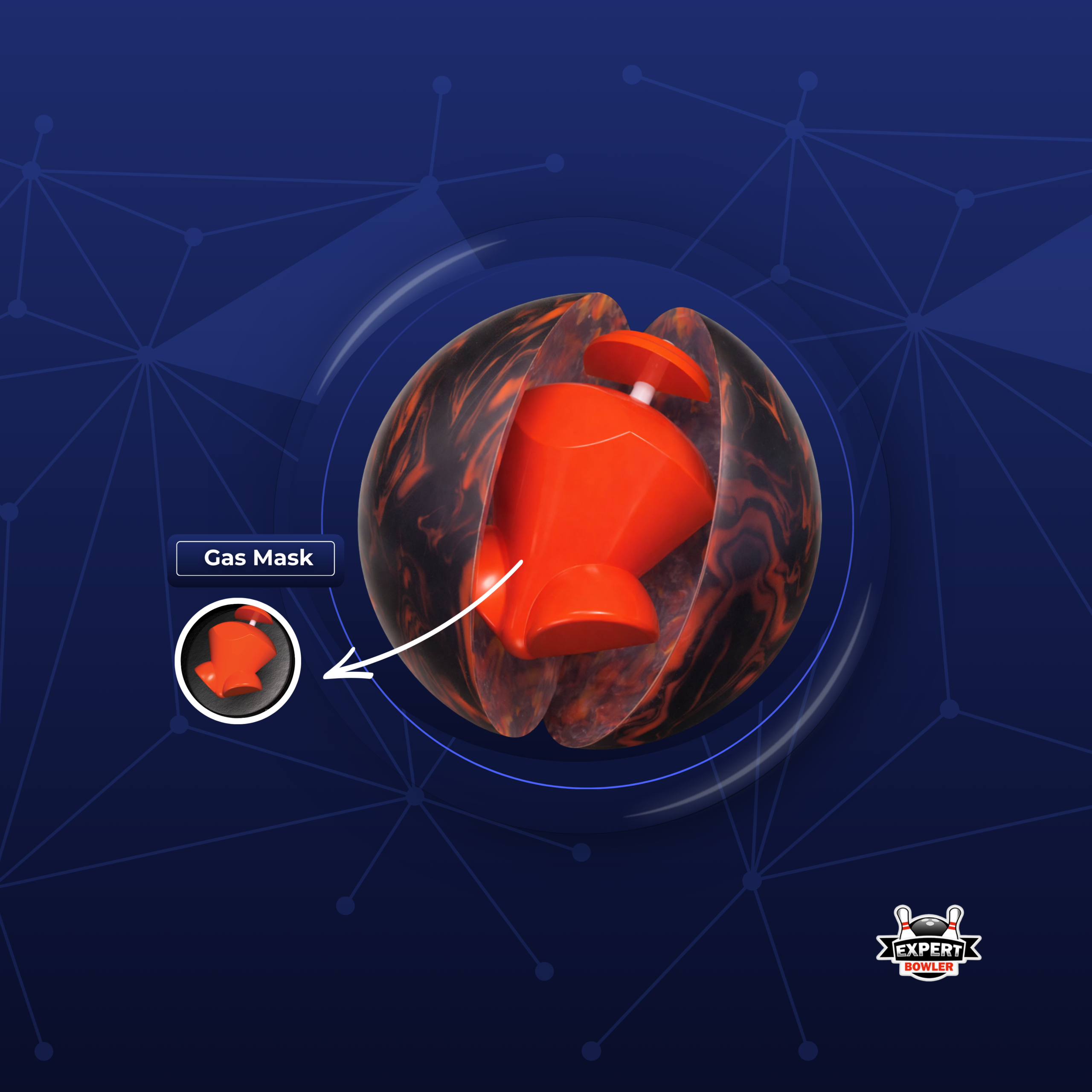
Gas Mask asymmetric core
The Gas Mask is a long-running Hammer asymmetric core design. At 15 lb, the published RG, differential, and intermediate differential describe a core with meaningful flare and asymmetry potential; the final motion still depends on drilling, surface, release, and lane condition.
HK22 Aggression Solid coverstock
Hammer positions the HK22 Aggression Solid as a strong reactive coverstock paired with the Gas Mask core. Comparisons with earlier Black Widow covers should be treated model by model rather than as a guarantee of cleaner fronts, sharper backend, or better pin carry.
500/1000/2000 SiaAir box finish
The published factory surface is 500 / 1000 / 2000 SiaAir. Start by evaluating the box finish before changing it, and document any surface adjustment so you can reproduce or reverse it later.
Performance on the lanes
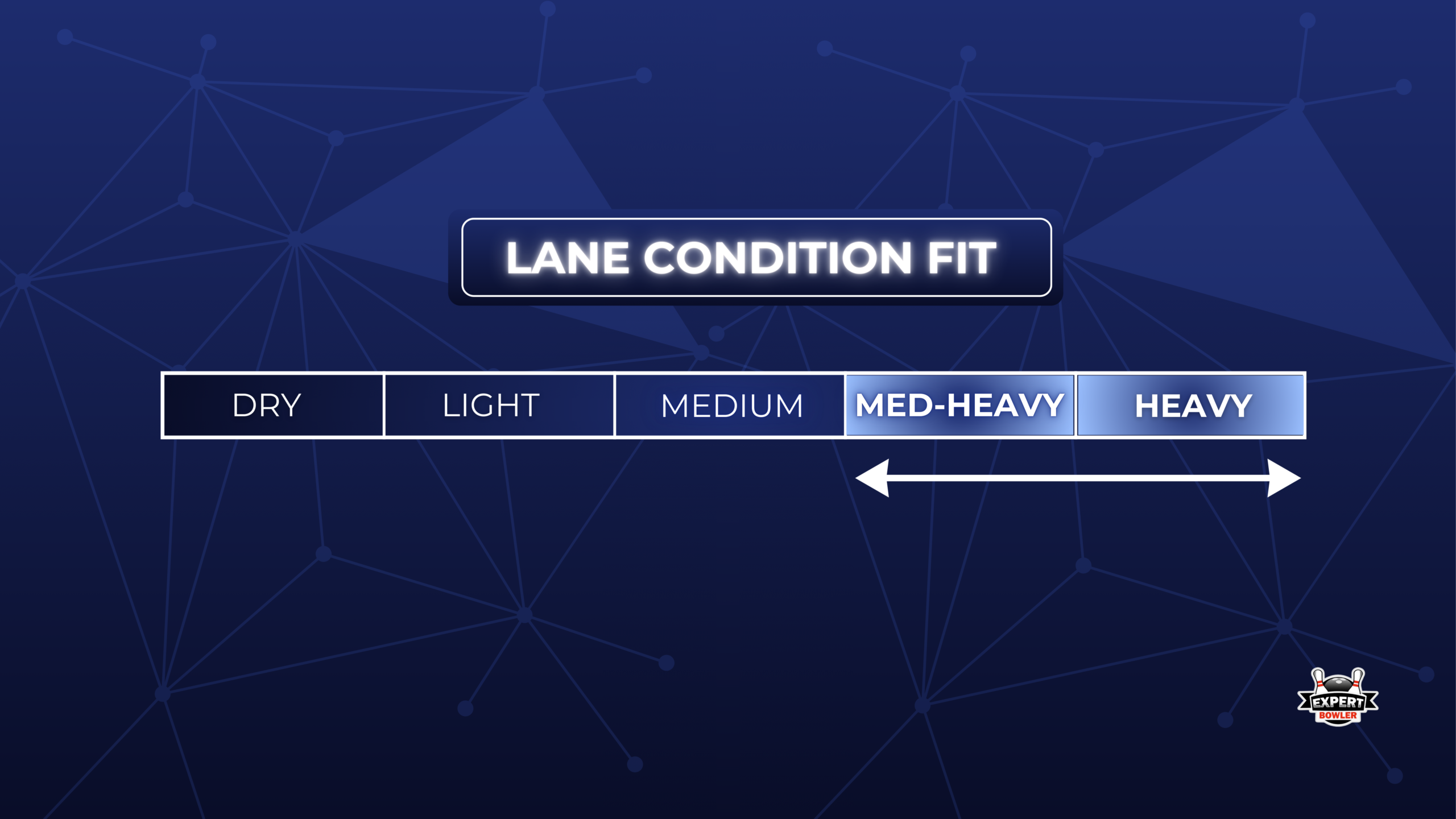
Published reviews and owner reports generally place the Black Widow 3.0 in a stronger traction role with a defined asymmetric response downlane. We do not have first-hand lane data to support one fixed breakpoint distance or entry-angle claim.
Compared with benchmark-style symmetric balls such as the Storm Phaze II or Motiv Venom Shock, the Black Widow 3.0 is generally positioned as the stronger option. Whether that is actually a useful step up depends on the lane and on how your benchmark is failing — too much skid, too early, or simply the wrong shape.
Surface adjustments can change where the ball reads the lane, but they do not turn one ball into every reaction shape. Make small, documented changes and compare them against the box finish.
On fresh medium oil
On a known fresh condition, use the box surface as the baseline and evaluate whether the ball creates the earlier traction and stronger shape you are looking for. We do not claim it universally outperforms symmetric solids on pin carry.
On heavy oil
On higher oil volume, a rougher surface may create earlier traction, but there is no universal 1000- or 1500-grit prescription. Start from the manufacturer’s finish and adjust only if the observed reaction calls for it.
On short / dry patterns
On shorter or higher-friction conditions, this stronger surface/core combination may read too early for some releases. In that situation, a weaker or cleaner ball can be more appropriate than repeatedly changing the Black Widow’s surface.
Black Widow 3.0 vs the competition
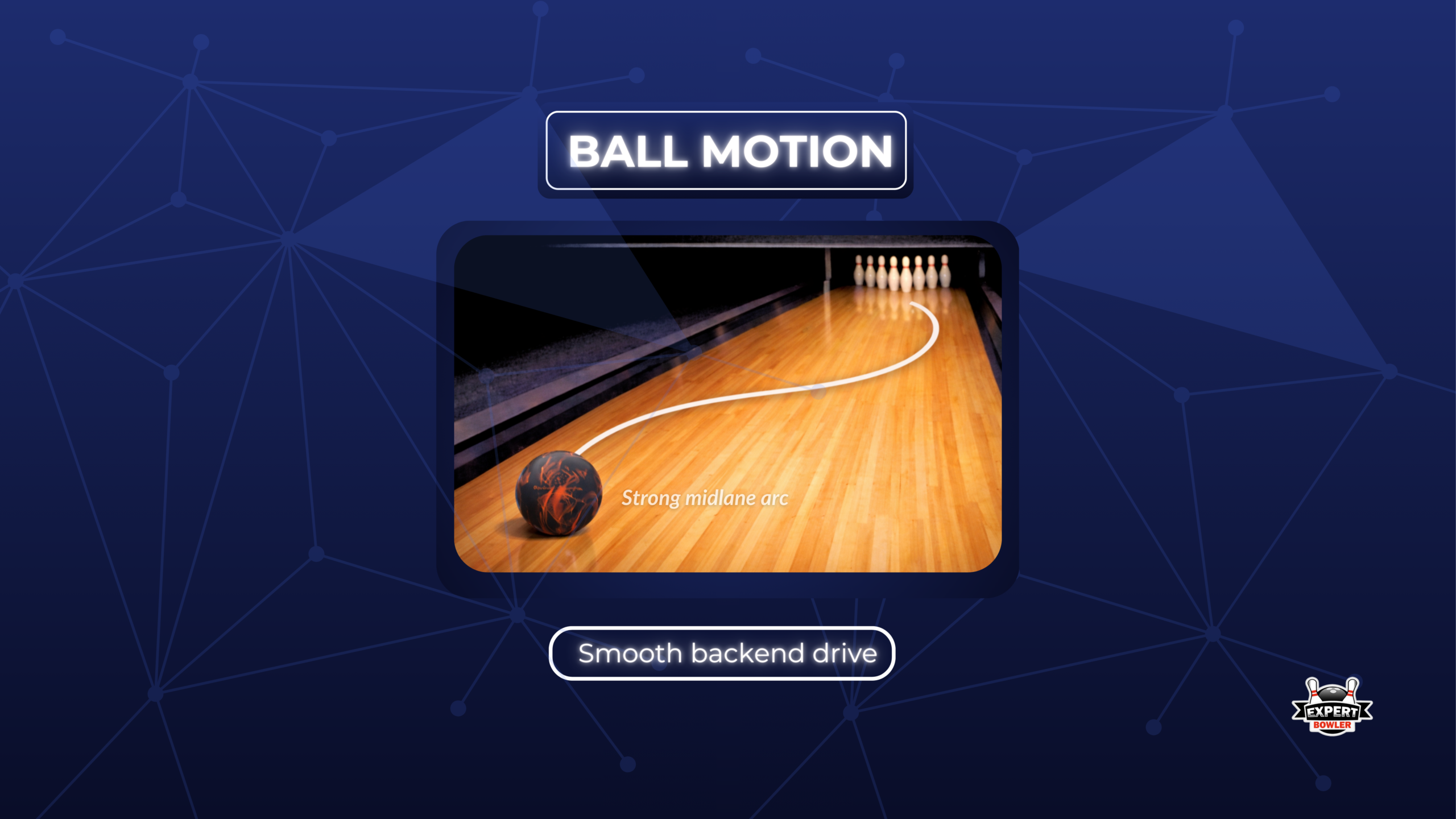
Compared with benchmark-style balls such as the Storm Phaze II or Motiv Venom Shock, the Black Widow 3.0 generally fills a stronger asymmetric role. Cross-brand pin-carry and value claims are too dependent on price, drilling, release, and lane condition to rank from specifications alone.
The 3.0 Dynasty variant uses the HK22 Cohesion Solid cover — a different ball built specifically for heavier oil volume. If you primarily bowl heavy oil or long sport patterns, the Dynasty is the version to consider.
Who is the Black Widow 3.0 for?

Consider it if you need a stronger asymmetric piece and your current benchmark ball is not creating enough traction or shape on the conditions you bowl.
Probably skip it if your current stronger equipment already reads too early, or if you mostly bowl on high-friction/drier conditions. Skill level alone is not the deciding factor.
Pros and cons
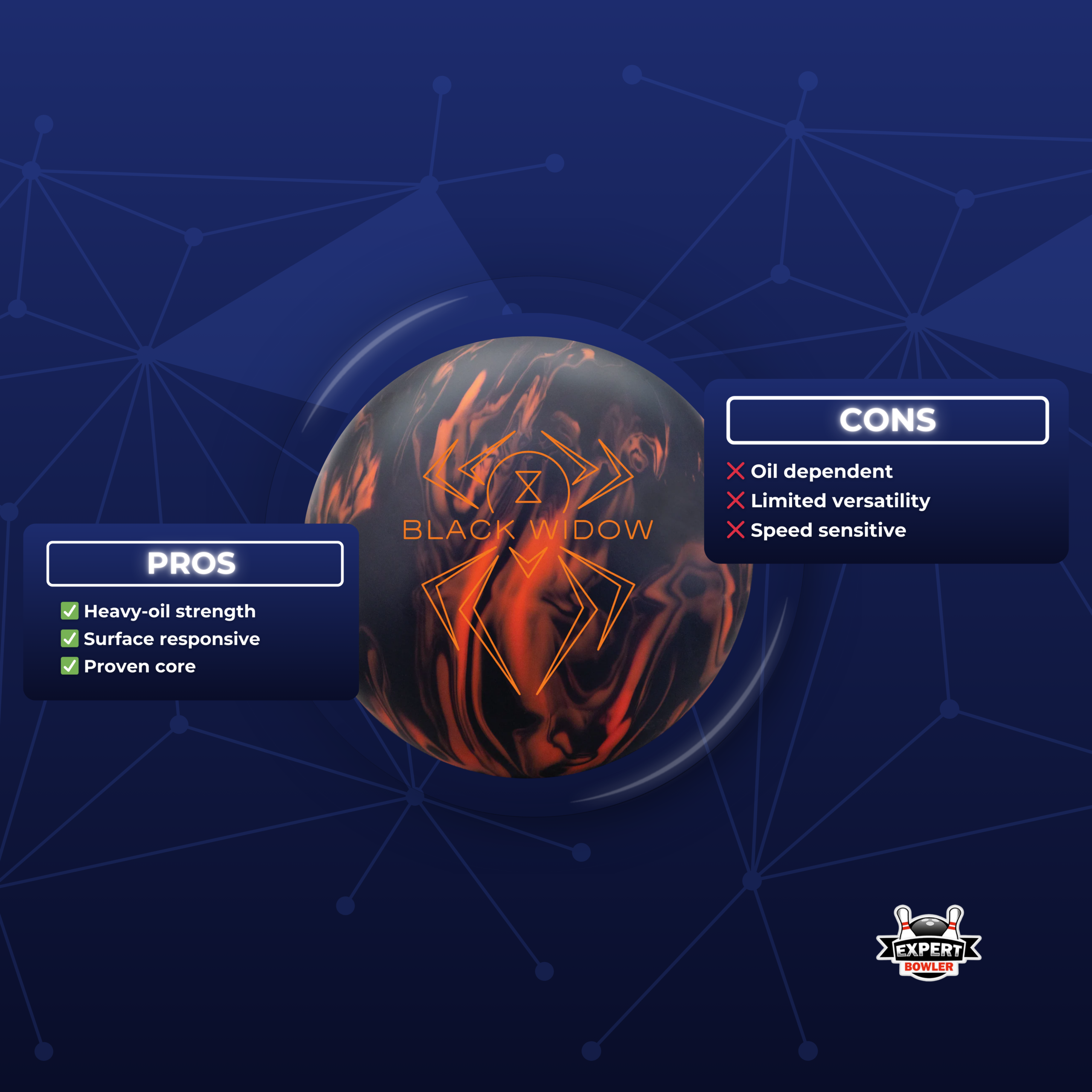
- Strong, dependable motion on medium-to-heavy oil patterns
- Strong asymmetric response when the lane and surface match
- Long-running Gas Mask core platform
- Surface can be adjusted to alter traction and length
- Gas Mask asymmetric core with a long product history
- Established option in Hammer’s higher-performance range
- Can become a poor match when the lane is much drier than its intended role
- May read too early on lighter or higher-friction conditions
- Limited versatility compared to hybrid or pearl pieces
- Can overlap other strong pieces if the arsenal role is not defined
Frequently asked questions
Is the Black Widow 3.0 worth buying?
Yes — if you have a clear need for a stronger asymmetric reaction and this model fills a real gap in your bag. The Gas Mask/HK22 combination gives the Black Widow 3.0 a distinct higher-performance role, but we would base the purchase on fit and lane need rather than price-tier labels.
No — if your current strong equipment already reads too early or you mostly bowl on dry/high-friction conditions. In that case, a cleaner or weaker option is likely to give you a more useful shape.
Bottom line: the Black Widow 3.0 is a researched strong-asymmetric option, not a hands-on ExpertBowler test. Pairing it with a benchmark ball and a spare ball can create useful separation if the reactions are genuinely different on your lanes.
View Black Widow 3.0 on Amazon →
Get our honest 2-page checklist — coverstock, weight, lane oil, and the 5 mistakes that cost most bowlers money. One short email every couple of weeks. No spam.
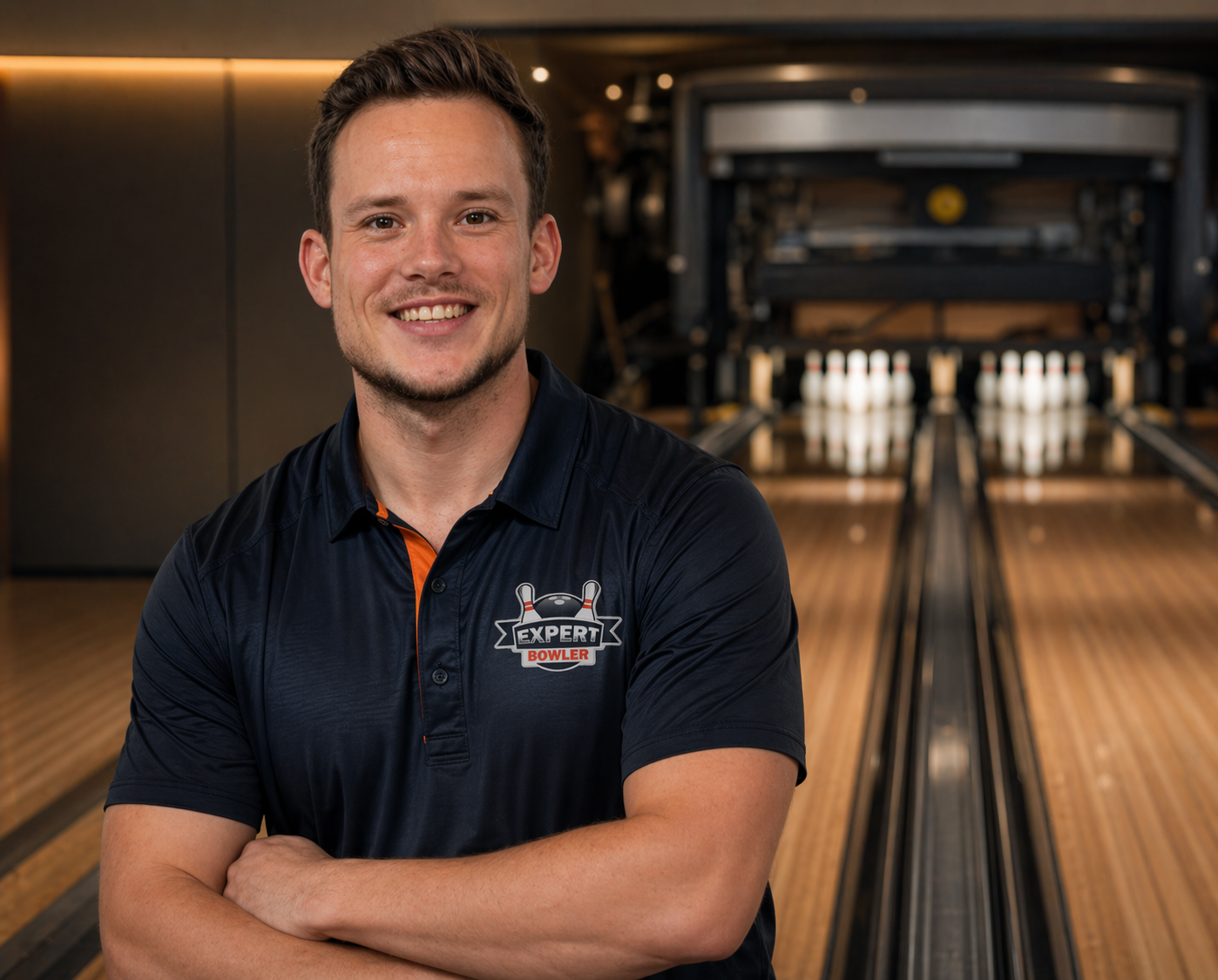
Edited by Jeroen Kooij
Publisher & Editorial Director · Beginner Bowler
Jeroen sets ExpertBowler’s editorial standards. He has not personally lane-tested the Black Widow 3.0, so this review separates sourced product research from first-hand bowling experience elsewhere on the site. Read how we research, test, and update our content.
Methodology: This review uses manufacturer specifications, published technical coverage, and recurring owner/community feedback. We do not claim hands-on Black Widow 3.0 testing and we do not accept paid placements.
Updated: 2026.
Sources consulted
- Manufacturer documentation: Hammer product specifications, core, coverstock, and factory-surface information
- Published technical reviews: established bowling retailers and independent review sources used to compare recurring reaction descriptions
- Owner & community feedback: recurring real-world observations used as supporting context, not as measured ExpertBowler test data
- USBC/Bowl.com: equipment references where directly relevant