
Pro Guides & Techniques
Practical, research-backed bowling guides — from lane reading and release work to spare systems and ball maintenance. Our technique coverage combines authoritative sources with clearly labelled lessons from recorded coaching sessions where they add useful first-hand context.
Four guides that will move your average.
Picked for distinct bowler needs — not by commission rate. Each guide is selected for the problem it solves, with practical watch-outs and the evidence behind the advice.
How to Read Bowling Lane Conditions
The single highest-leverage skill in bowling. Learn how to read oil volume, length, and transition so you know when to move, change balls, or change angles — before your scores tell you.
Watch-out: Most bowlers misread their reaction as the ball being weak — usually it is the lane transitioning, not the ball.
- Topics: oil volume & length
- Reading ball reaction
- Fresh vs broken-down
- When to move your feet
How to Hook a Bowling Ball
The cleanest, fastest path from straight ball to a real hook. Hand position, finger drive, and timing broken into drills you can run at any house.
Watch-out: Trying to twist the ball with your wrist creates inconsistency. The hook comes from the fingers and a stable wrist, not a turn.
- Topics: hand position
- Finger drive & rotation
- Wrist support
- Practice drills
How to Pick Up Spares
Spares decide your average more than strikes do. A simple 3-6-9 system plus a plastic spare ball will lift most league averages by 10+ pins inside a month.
Watch-out: Using your reactive ball at corner pins is the #1 cause of leaving open frames. Carry a plastic spare ball.
- Topics: 3-6-9 system
- Spare angles
- Plastic spare ball
- Single-pin drills
How to Clean a Bowling Ball
Reactive coverstocks absorb lane oil and lose hook fast when saturated. A 5-minute weekly clean keeps your ball reacting like new for an extra season.
Watch-out: Household cleaners can damage your coverstock and void USBC approval. Use only ball-specific cleaners.
- Topics: weekly cleaning
- Deep cleaning (oil out)
- Approved cleaners
- Resurfacing intervals
Research first. Experience clearly labelled.
Our technique guides start with authoritative sources such as USBC materials, published technical references, and established bowling research. Since July 2026, relevant guides can also include clearly attributed lessons from recorded coaching sessions with NOC*NSF Master Coach Jack Edelaar. Those sessions add first-hand beginner context; they do not make ExpertBowler a coaching authority, and Jack does not review or approve our articles. See how we test & learn.
Find the right guide.
Routes into our coverage — by skill, technique, lane play, or where you are in your bowling journey. Need help picking a ball?
How to Read Lane Conditions
Oil volume, length, transition — the foundation skill every league bowler needs.
Open guide →Hook & Release
From straight ball to a real hook — hand position, finger drive, timing.
Open guide →Spare Shooting
The 3-6-9 system, plastic spare balls, and drills that actually lift averages.
Open guide →Bowling Tips for Beginners
First-season fundamentals — stance, approach, follow-through. The basics done right.
Open guide →Ball Cleaning & Care
Weekly cleaning, deep oil extraction, and resurfacing intervals to keep reaction.
Open guide →How Bowling Scoring Works
Strikes, spares, the tenth frame — scoring explained with worked examples.
Open guide →Latest bowling guides.
Fresh how-to and technique guides — lane play, release work, spares, and equipment care.
Bowling Ball Surface Guide: Grit Chart 500-4000 + When to Use Each

Best Bowling Ball Brands 2026: What Each Brand Is Actually Known For
Bowling Mental Game: Stay Consistent Under Pressure
Bowling Ball Motion: Skid, Hook & Roll Phases Explained
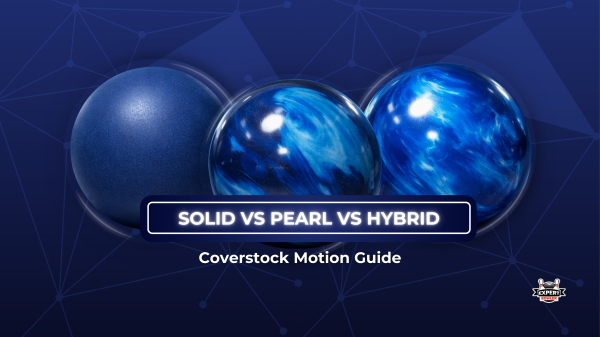
Bowling Ball Coverstocks: Solid vs Pearl vs Hybrid
Bowling Spare Shooting Guide: How to Pick Up the 7-Pin, 10-Pin, and Tricky Combinations
Common bowling-technique questions.
Quick answers to the questions we hear most — lane play, hook, spares, and ball care.
What is the most important skill to learn in bowling?
Lane reading. Almost every other skill (release, ball choice, spares) is downstream of understanding what the lane is doing. Bowlers who learn to read oil and transition raise their average faster than bowlers who only work on their physical game.
How long does it take to learn to hook a bowling ball?
With focused practice — two to four weeks to get a consistent hook, and two to three months to make it reliable under pressure. The fastest path is fixing hand position first, then finger drive, then ball speed.
What is the 3-6-9 spare system?
A targeting system where you move your feet 3, 6, or 9 boards from your strike position depending on which pin you are shooting. It removes the guesswork and works at every house, on every pattern.
Should I use a plastic spare ball?
Yes, especially for corner pins (7 and 10). Reactive balls hook into the pocket but miss flat corner spares. A plastic ball goes straight, which is exactly what corner-pin shots need.
How often should I clean my bowling ball?
Wipe it down every game with a microfiber towel. Do a full clean with an approved cleaner every 6-10 games. Deep clean (heat-extraction or pro shop oil out) every 60-75 games.
Can I use household cleaners on my bowling ball?
No. Household products (alcohol, ammonia, kitchen sprays) can damage reactive coverstocks and void USBC approval. Always use cleaners labelled USBC-approved for in-competition use.
What is the difference between a house shot and a sport shot?
House shots have heavy oil in the middle and dry boards outside, which is forgiving — it pushes the ball back toward the pocket. Sport shots are more even, so misses are punished. Sport shots are what you see in tournaments.
Why is my hook ball less effective some nights?
Usually the lane has transitioned — oil has been carried down the lane or worn off the front, changing how your ball reacts. The fix is to move your feet, change angles, or switch to a different surface.
Do I need to resurface my bowling ball?
Yes — every 60-75 games for serious league play. Reactive coverstocks dull and lose hook potential over time. A resurface at the pro shop restores the original grit and reaction.
How bowling actually works.
The fundamentals — lane play, oil patterns, drilling, and the gear knowledge that ties it all together.
Bowling Basics
Stance, footwork, approach, release — the first-season fundamentals all in one place.
Read →Oil Patterns Explained
House shots, sport patterns, and how oil shapes ball reaction — without the jargon.
Read →Ball Drilling & Layout
Pin distance, layout numbers, and what your pro shop is actually drawing on your ball.
Read →More than guides.
Browse our technique and lane-play guides above. For gear — balls, shoes, bags, and accessories — see our other editorial hubs.