Storm Tropical Surge Review 2026: A Beginner-Friendly Reactive Ball
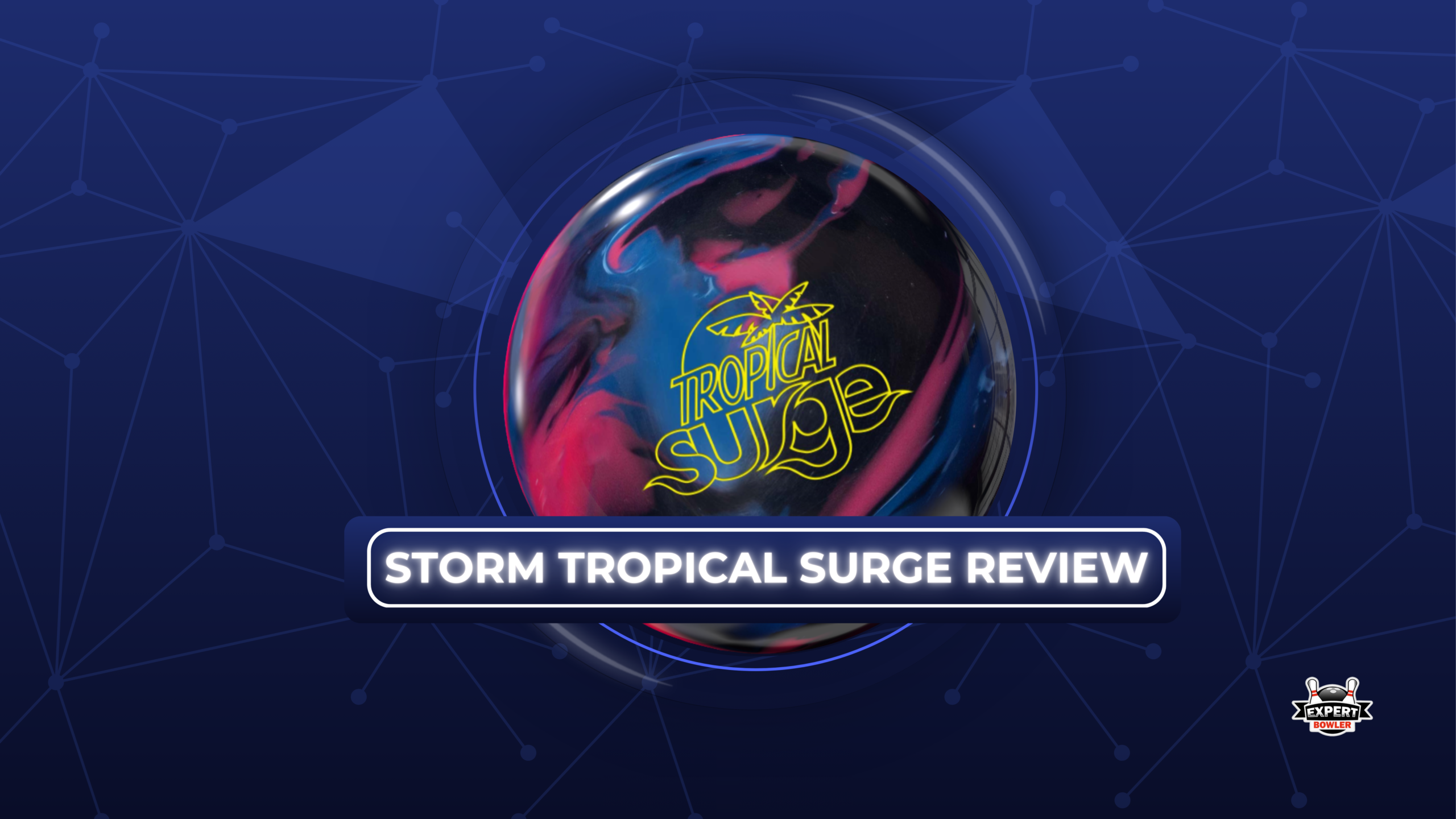
The Storm Tropical Surge is positioned as an entry-level reactive ball: a lower-strength option for bowlers moving beyond polyester or house equipment and for experienced bowlers who need a cleaner reaction on lighter conditions.
This review is built from manufacturer specifications, published technical sources, long-term owner/community feedback, and clearly labelled first-hand context from our own beginner fitting and coaching experience. We have not personally lane-tested the Tropical Surge, so sourced product research and our own experience are kept separate.
Updated: August 2026 · Edited by Jeroen Kooij · See methodology below
A strong first reactive option — for the right lane environment.
The Tropical Surge makes sense for beginners who want a mild reactive shape rather than a large, aggressive move downlane. Its value is controllability: enough friction to learn reactive-ball motion without jumping straight into stronger benchmark or heavy-oil equipment.
View on Amazon →Specs at a glance
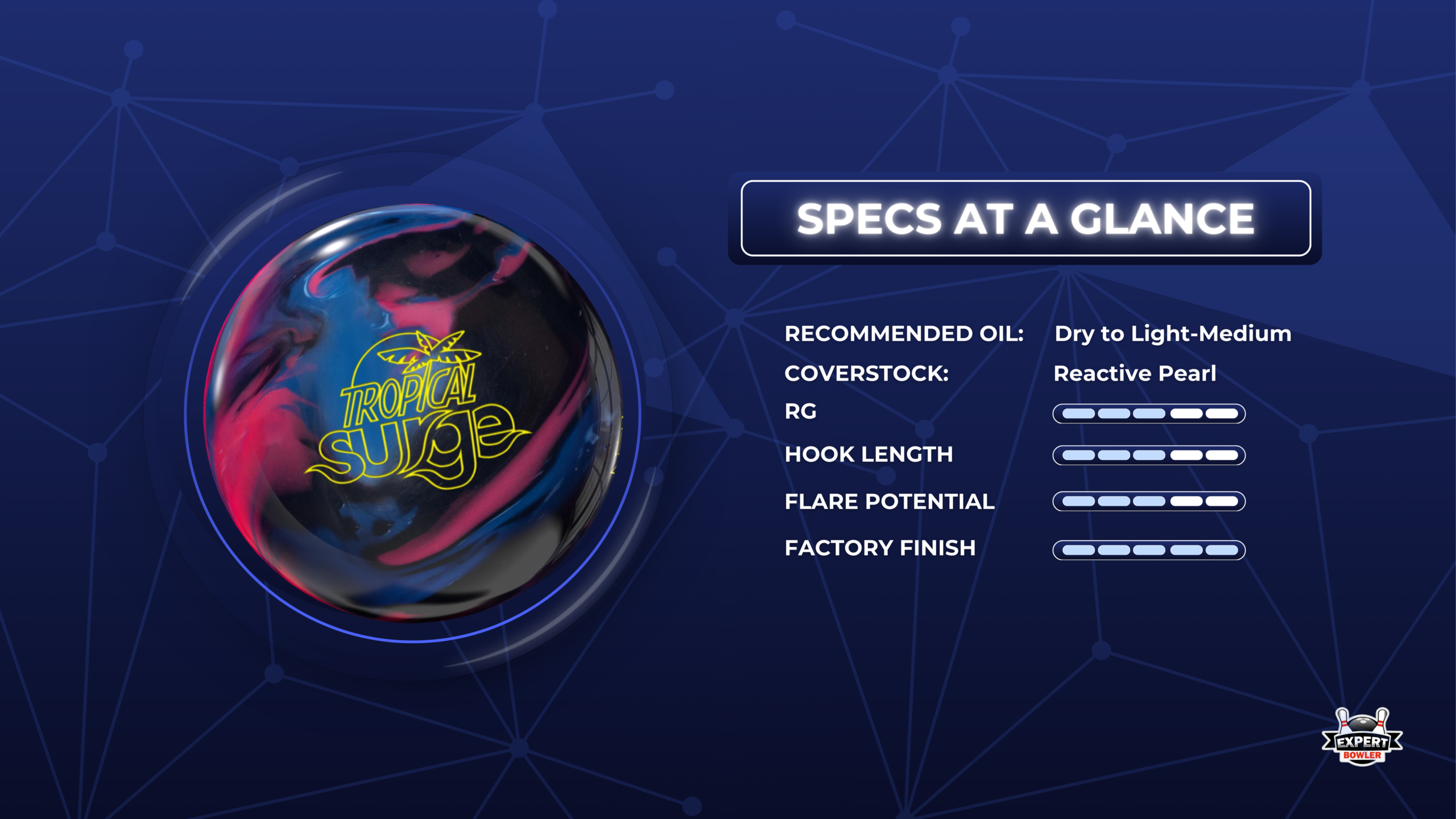
Answer four quick questions and our free Bowling Ball Finder matches you to the right ball for your style, lanes and budget — plus a free buyer’s checklist, instantly.
Take the free Finder →Lane action and hook potential
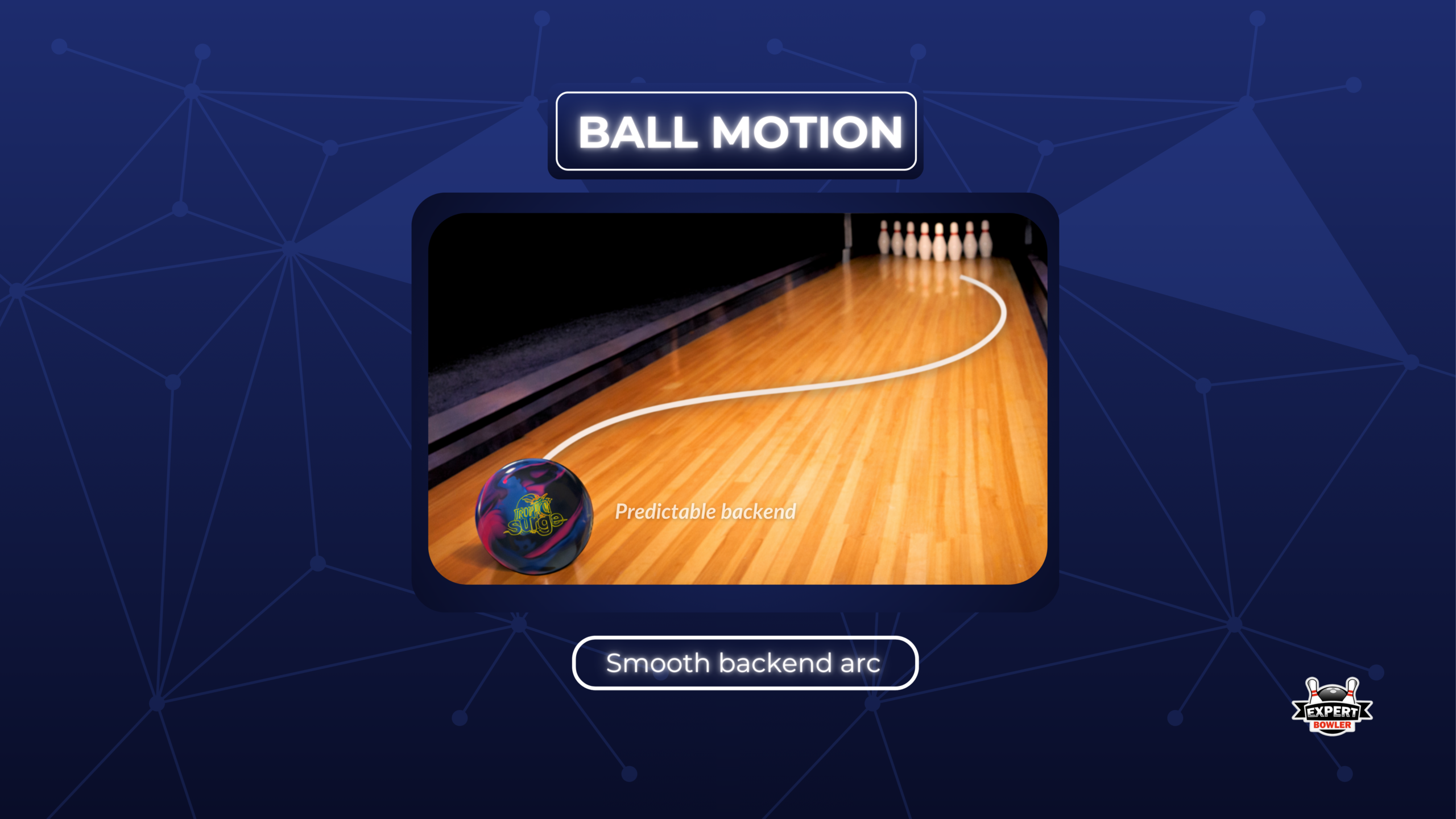
On paper, the Tropical Surge is designed for cleaner length through the front part of the lane followed by a milder, smoother response to friction than stronger reactive equipment. That makes it better suited to lighter conditions and bowlers who want a readable shape rather than maximum hook.
On lighter house conditions, that lower-strength reaction can let a developing bowler see how changes in speed, direction, and hand position affect ball motion without the larger directional change of stronger equipment.
For bowlers learning to hook
For bowlers learning to hook, the appeal is the lower overall strength. It can show reactive-ball motion without requiring the bowler to control the larger shape of a stronger asymmetric ball. There is no useful universal timeline for learning hook control; fit, coaching, coordination, and practice quality matter far more than the model name.
For two-handed bowlers
For two-handed bowlers, the Tropical Surge can make sense when a cleaner, lower-strength reaction is what the lane or release calls for. High rev rate alone does not determine whether the ball is too weak; speed, axis rotation, surface, and lane friction matter too.
There is one drilling issue we can speak to directly from first-hand experience, even though we have not personally tested the Tropical Surge itself. We started lessons with a coach in July 2026 and are being taught the two-handed style from the first session — and between the two of us, one ball came out of the pro shop with a thumb hole and one without. That split turns out to be the honest answer to the question beginners ask here: as a genuine beginner you can go either way, thumb or no thumb, and find out which one suits you. It is what our coaching keeps coming back to — there are principles, and past the principles, the rest is whatever works for you. What you should not do is leave the consequence unread. USBC has counted an unused thumb hole as a balance hole since 1 August 2014, and balance holes have been prohibited in USBC competition since 1 August 2020, so a thumb hole you never put a thumb in has to be plugged before that ball is legal for league or tournament play. For practice it changes nothing and we still bowl with both. Raise it with your pro shop on the day you order, not the day you sign up for a league. Our guide to custom drilling and personalization covers what that conversation involves.
Why it keeps appearing in beginner recommendations
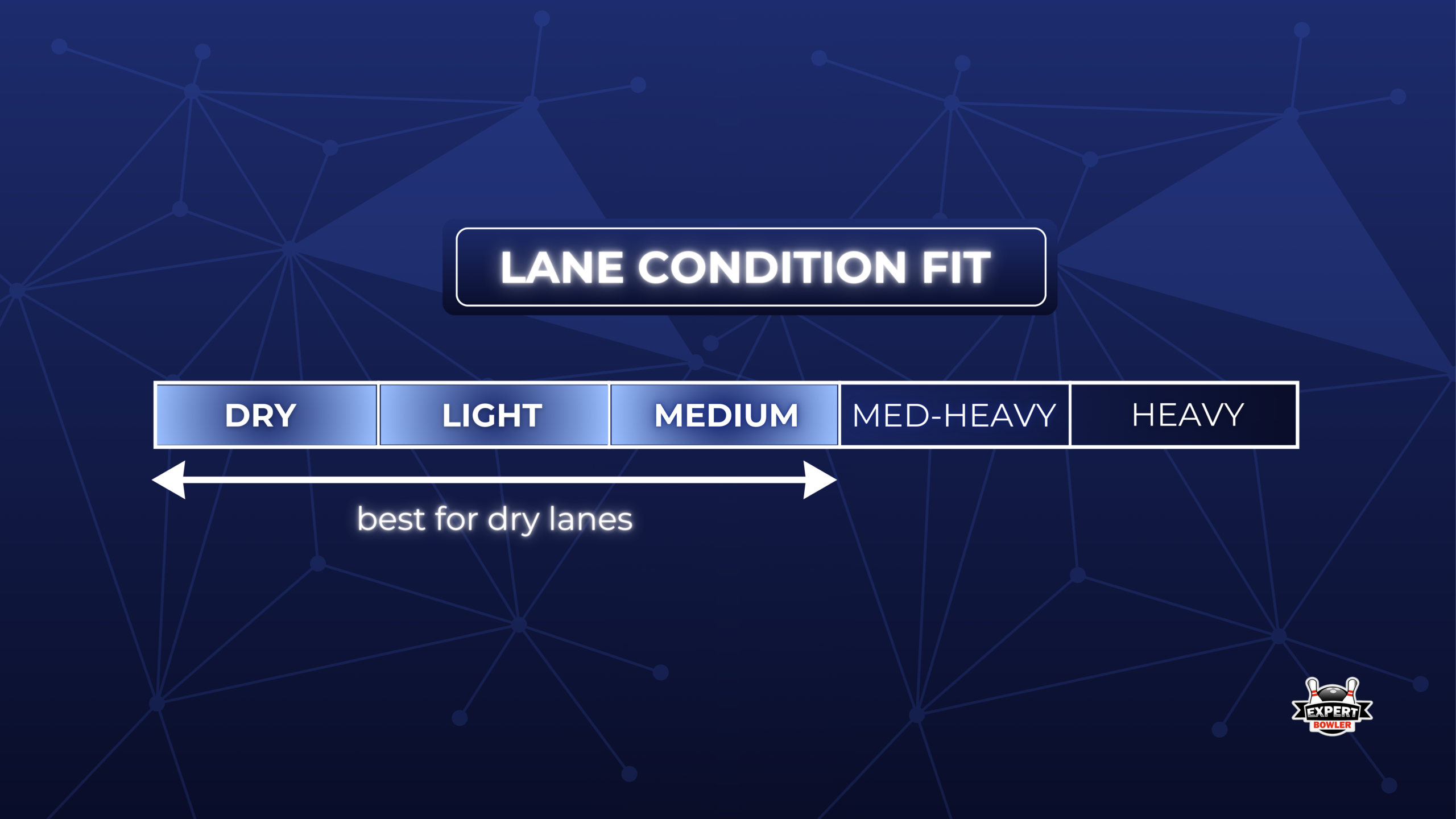
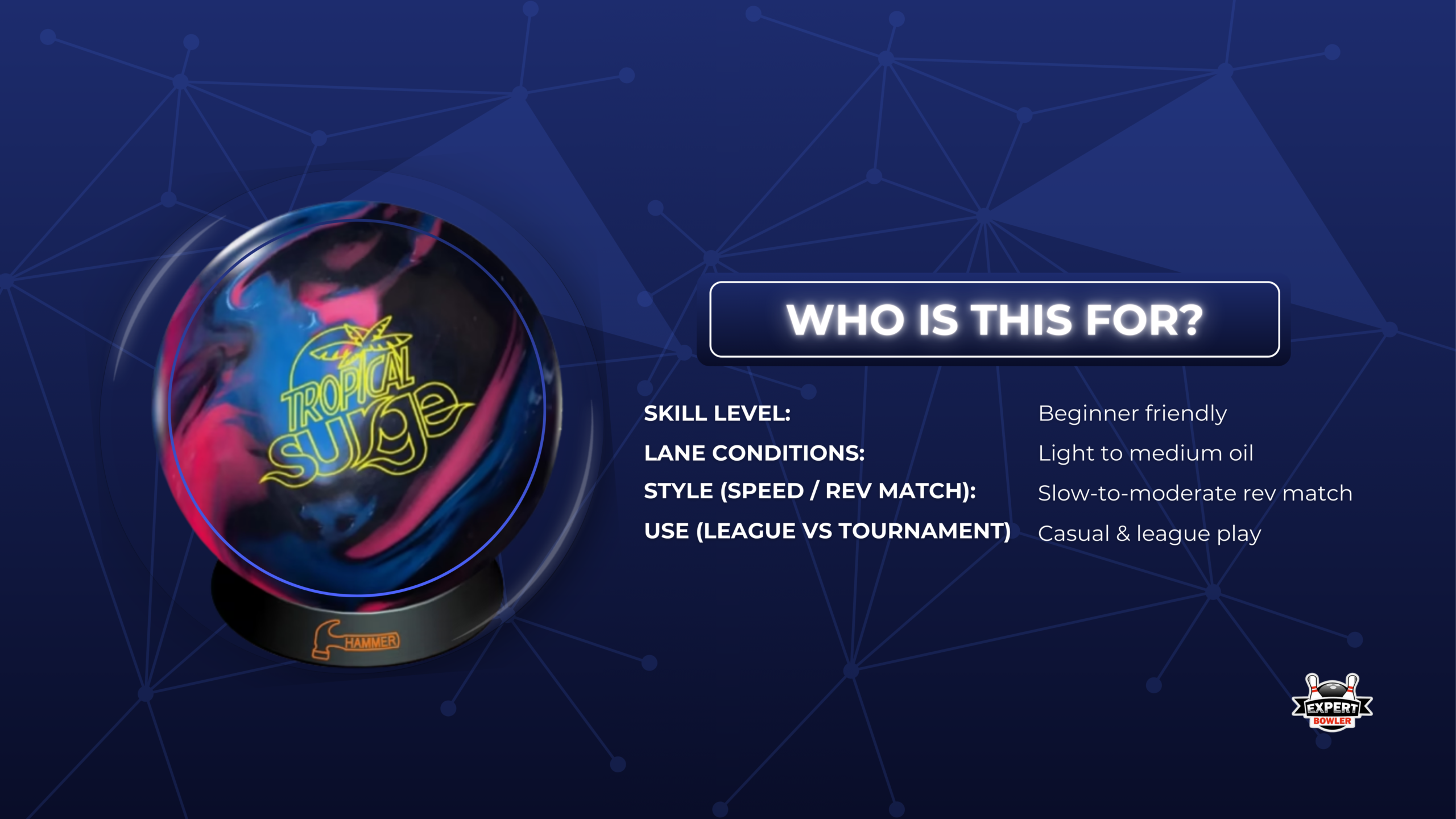
The Tropical Surge appears frequently in beginner discussions because its product role is easy to understand: a weaker reactive option for bowlers who want more motion than polyester without moving immediately into stronger benchmark equipment. That conclusion comes from its specifications, published guidance, and long-running owner feedback — not from claiming a nationwide pro-shop consensus.
Compared with a strong asymmetric, the Surge asks less of the lane and generally creates a smaller, smoother shape. That can make it easier for a beginner to separate release changes from equipment strength, although no ball can hide or fix technique by itself.
For more on technique foundations, see our how to spin a bowling ball and how to hook a bowling ball guides.
How does it compare to similar balls
A useful comparison is the Brunswick Rhino, because we now have direct first-hand fitting evidence with that ball. In July 2026, Remco — Jeroen’s brother and a first-time reactive buyer — was professionally fitted for a 14 lb Purple/Black Rhino. During that fitting, the pro-shop operator chose the Rhino over the Tropical Surge because Remco needed a touch more midlane read for his setup and conditions. That is one real fitting decision for one beginner, not proof that the Rhino is universally better. The Tropical Surge still occupies the cleaner, gentler end of the entry-reactive category, which may be exactly what another bowler needs. See the Brunswick Rhino review for the original fitting evidence.
If you want a wider comparison with the full beginner field, see our best bowling balls for beginners guide.
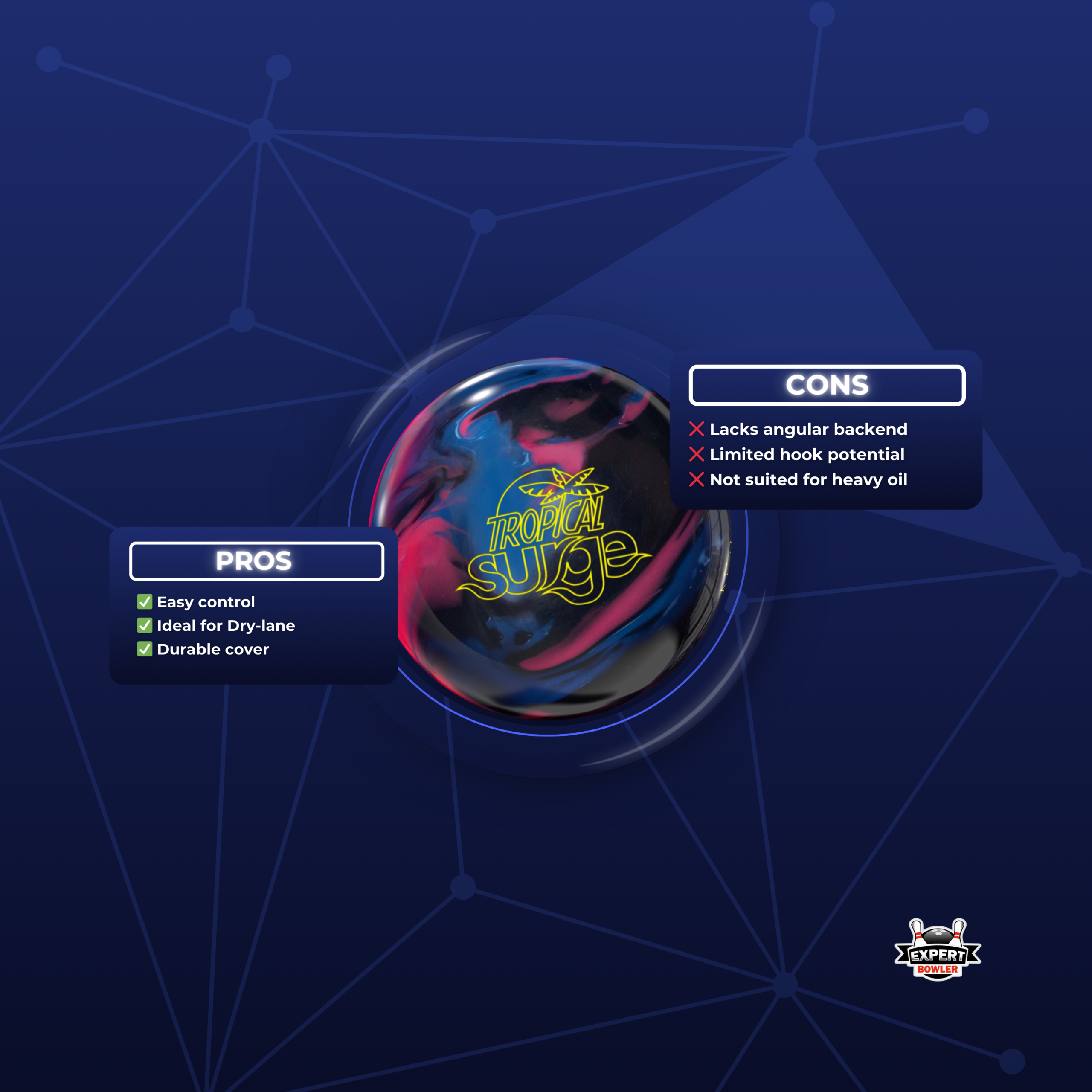
Pros and cons
- Lower-strength reactive shape can make release differences easier to read than with stronger equipment
- Cleaner, smoother reaction suited to lighter conditions
- Can suit two-handers who need a weaker reaction rather than more total hook
- Works well on dry-to-medium lanes when stronger balls overreact
- Multiple colorways — including the fun Birthday Cake scent variant
- Established Reactor Pearl platform with straightforward cleaning and surface-care requirements
- May become too weak as a primary strike ball if your lane environment or reaction needs change
- Not designed for heavier oil — runs out of midlane energy on fresh league shots
- Limited midlane read — bowlers who want to see early hook will find it lacks bite
- Not designed to create the stronger midlane traction or total shape of higher-performance equipment
Frequently asked questions
Is the Storm Tropical Surge worth buying?
Consider it if you are a new or returning bowler who wants a cleaner, lower-strength reactive shape, or an experienced bowler looking for a lighter-condition option. Its usefulness depends on lane friction and your release rather than on skill level alone.
Look elsewhere if you need substantially more midlane traction or total hook on fresher and higher-volume conditions. Average and rev rate alone are not enough to decide that; match the ball to the reaction shape you need.
The summary: the Tropical Surge is a deliberately mild reactive option. Buy it because that lower-strength shape fits your game and lane environment — not because every beginner is supposed to buy one and then outgrow it.
View Storm Tropical Surge on Amazon →
Get our honest 2-page checklist — coverstock, weight, lane oil, and the 5 mistakes that cost most bowlers money. One short email every couple of weeks. No spam.
Edited by Jeroen Kooij
Publisher & Editorial Director · Beginner Bowler
Jeroen sets ExpertBowler’s editorial standards and documents his own beginner development through recorded coaching sessions. This review separates sourced Tropical Surge research from the first-hand fitting and drilling experience we can actually document. Read how we research, test, and update our content.
Methodology: This review uses manufacturer specifications, published technical sources, recurring long-term owner/community feedback, and clearly labelled first-hand fitting/drilling context. We do not claim hands-on Tropical Surge testing. We do not accept paid placements.
Updated: August 2026.
Sources consulted
- Manufacturer documentation: official Storm specifications and technical product information for the Tropical Surge line
- Published technical sources: established bowling reviews and instructional references used to compare intended ball motion and lane role
- Owner & community evidence: recurring long-term themes used as supporting context rather than sole technical proof
- First-hand comparison: Remco’s July 2026 live pro-shop fitting, where the Rhino was selected over the Tropical Surge for his specific setup and conditions
- First-hand drilling context: our own two-handed beginner drilling experience and the resulting thumb-hole/sanctioned-play considerations described in this review
- USBC equipment information: rules and equipment references where gripping-hole legality is discussed
Related guides
- Best bowling balls for beginners
- Best bowling balls 2026 buying guide
- Best spare bowling balls — pair the Surge with a polyester spare
- How to spin a bowling ball
- How to hook a bowling ball